Introduction: Why Commercial Indoor Soft Play Equipment Is Booming in 2026
The global indoor playground industry continues to experience strong growth in 2026. Rising urbanization, increasing demand for family entertainment, and parents’ focus on safe physical activity have driven significant investments in indoor play centers worldwide.
Commercial indoor soft play equipment has become one of the most profitable attractions for family entertainment centers (FECs), shopping malls, daycare centers, schools, resorts, and community recreation facilities.
Industry analysts estimate that the global indoor playground market will continue growing at an annual rate exceeding 8% through the next decade. Investors are attracted by recurring revenue streams, including admission tickets, memberships, birthday parties, food services, and special events.
However, buyers often face several challenges:
- Choosing the right soft play equipment supplier
- Understanding safety certifications
- Maximizing return on investment (ROI)
- Selecting age-appropriate attractions
- Controlling startup and maintenance costs
- Designing a profitable indoor playground layout
This guide explains everything investors, purchasers, and operators need to know about commercial indoor soft play equipment in 2026.
Key Takeaway: Commercial indoor soft play equipment remains one of the fastest-growing segments in the family entertainment industry because it combines safety, educational value, and strong business profitability.
What Is Commercial Indoor Soft Play Equipment?
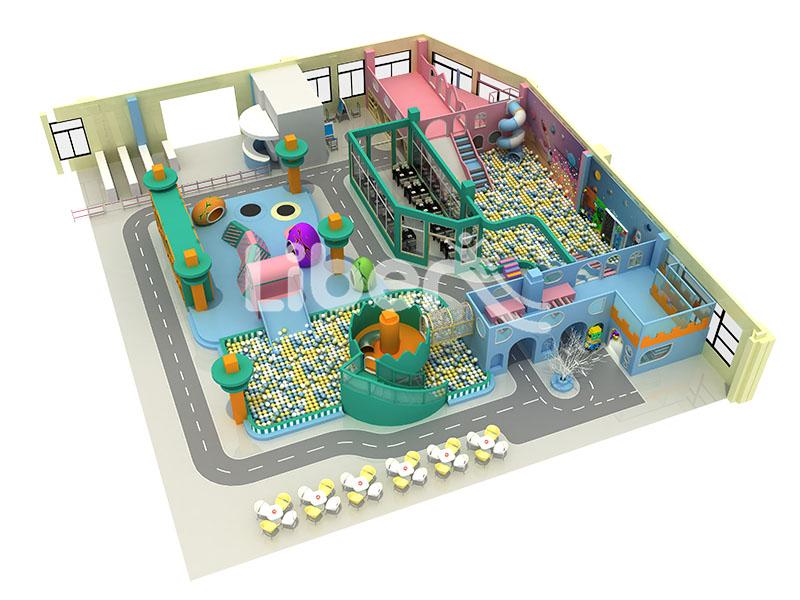
Commercial indoor soft play equipment refers to specially designed recreational structures built with soft, impact-absorbing materials that allow children to play safely in indoor environments.
Unlike traditional playground equipment, soft play systems use padded surfaces, foam components, safety netting, and enclosed structures to reduce injury risks while encouraging active play.
Typical soft play equipment includes:
- Multi-level play structures
- Soft climbing obstacles
- Ball pits
- Spiral slides
- Tube slides
- Interactive play panels
- Crawl tunnels
- Foam obstacles
- Toddler play zones
- Soft bridges
These systems are designed to support children’s:
- Physical development
- Motor skills
- Social interaction
- Problem-solving abilities
- Creativity and imagination
Many modern manufacturers, including leading global suppliers such as Liben, now integrate educational and sensory play elements into commercial indoor playground designs.
Summary
Commercial indoor soft play equipment combines safety, entertainment, and child development, making it a core attraction in modern indoor playgrounds.
Types of Commercial Indoor Soft Play Equipment
Different venues require different types of soft play solutions. Understanding the available categories helps investors choose the right equipment mix.
1. Multi-Level Soft Play Structures
These are the centerpiece of most indoor playgrounds.
Features include:
- Multiple play decks
- Slides
- Tunnels
- Climbing elements
- Observation windows
- Obstacle challenges
Suitable for:
- Family entertainment centers
- Shopping malls
- Indoor playground businesses
Benefits:
- High play capacity
- Long play duration
- Strong visual appeal
2. Toddler Soft Play Areas
Designed specifically for children aged 1-5 years.
Common elements:
- Mini slides
- Foam blocks
- Soft climbers
- Interactive wall games
- Sensory panels
Benefits:
- Enhanced safety
- Parent-friendly environment
- Broadens customer demographics
3. Ball Pit Play Systems
Ball pits remain one of the most popular attractions.
Modern versions include:
- Ball cannons
- Ball fountains
- Interactive target games
- Vacuum ball systems
Advantages:
- High engagement
- Relatively low maintenance
- Strong repeat play value
4. Soft Obstacle Courses
Obstacle courses encourage movement and exploration.
Popular components:
- Hanging bags
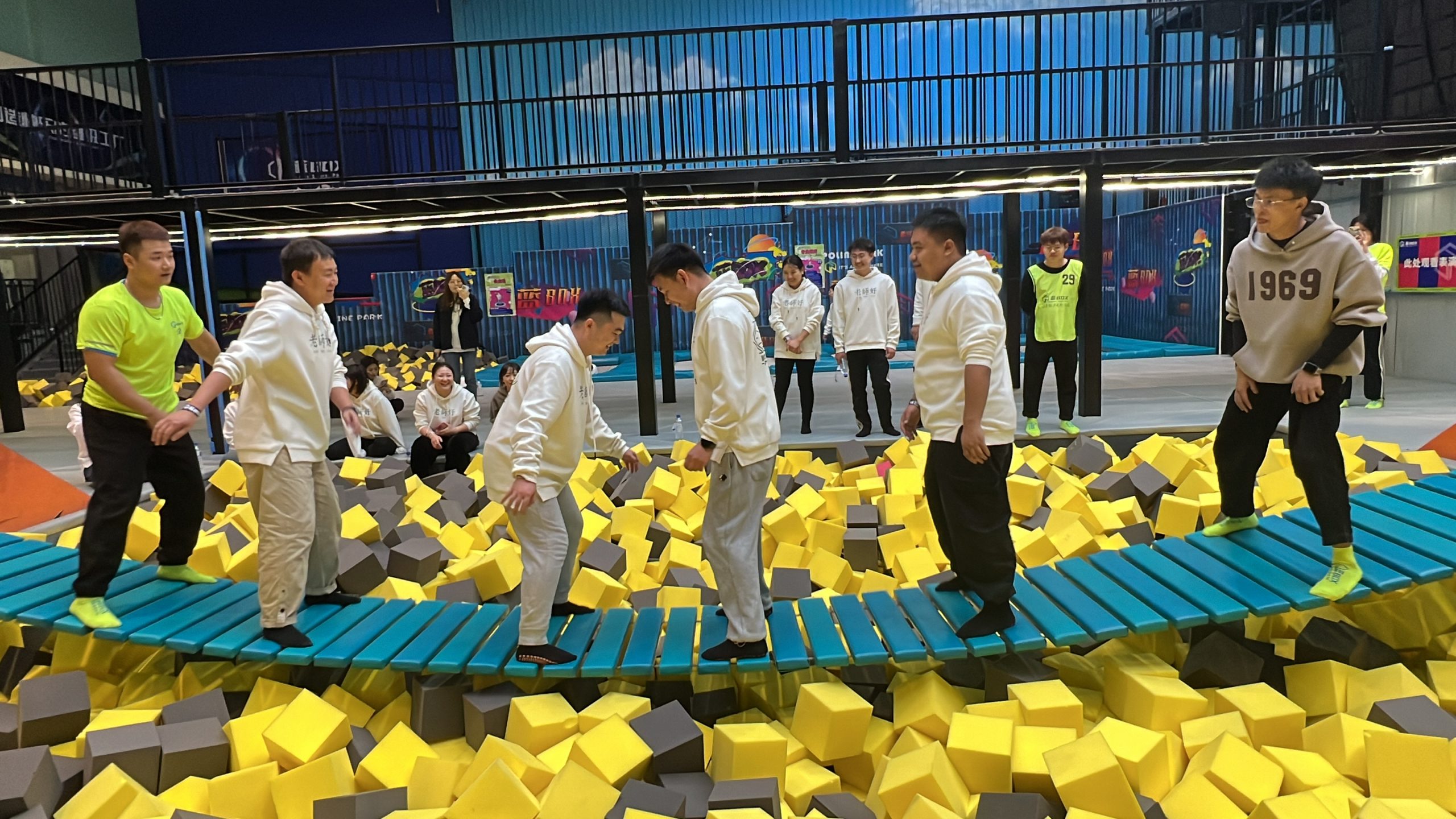
- Balance bridges
- Rotating rollers
- Crawl spaces
- Climbing challenges
Benefits:
- Physical exercise
- Competitive play
- Longer visitor stays
5. Interactive Soft Play Equipment
Technology is increasingly integrated into indoor playgrounds.
Examples include:
- Interactive projection games
- Motion-sensing walls
- Digital climbing systems
- LED challenge zones
Benefits:
- Appeals to older children
- Creates unique experiences
- Increases customer retention
6. Themed Soft Play Environments
Theme-based playgrounds improve visitor engagement.
Popular themes:
- Jungle adventure
- Ocean world
- Space exploration
- Castle kingdom
- Candy world
Customized themes help operators create stronger branding and social media visibility.
Summary
Successful indoor playgrounds often combine multiple types of soft play equipment to serve different age groups and maximize revenue opportunities.
Best Commercial Indoor Soft Play Equipment for Maximum ROI
Investors often ask which equipment delivers the highest return on investment.
Based on industry performance, the following attractions consistently generate strong customer demand.
Multi-Level Adventure Structures
Why they perform well:
- High capacity
- Premium visual impact
- Long play sessions
ROI Rating: ★★★★★
Volcano Climbers
Children enjoy challenging climbing experiences.
Advantages:
- Compact footprint
- Strong attraction value
- Suitable for various age groups
ROI Rating: ★★★★★
Tube Slides
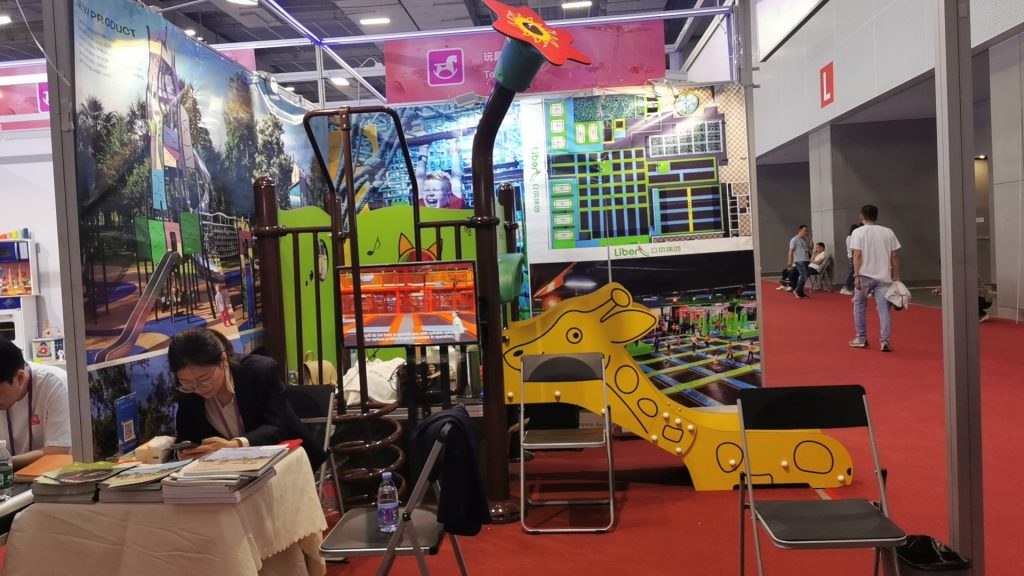
Tube slides remain among the most-used attractions.
Benefits:
- Exciting experience
- Efficient space utilization
- Low operating costs
ROI Rating: ★★★★★
Interactive Ball Battle Zones
Interactive play increases customer engagement.
Features:
- Ball cannons
- Target systems
- Team play
ROI Rating: ★★★★☆
Ninja Challenge Elements
Inspired by obstacle racing trends.
Benefits:
- Appeals to older children
- Encourages repeat visits
- Enhances physical activity
ROI Rating: ★★★★☆
Toddler Play Zones
A dedicated toddler area expands market reach.
Benefits:
- Attracts young families
- Improves customer satisfaction
- Supports repeat business
ROI Rating: ★★★★★
Summary
The best commercial indoor soft play equipment combines high play value, efficient use of space, and broad appeal across multiple age groups.
How to Choose Commercial Indoor Soft Play Equipment
Selecting the right equipment directly impacts profitability and customer satisfaction.
Evaluate Your Target Audience
Consider:
- Age range
- Family demographics
- Local market demand
Different age groups require different play experiences.
Prioritize Safety Standards
Choose equipment that complies with:
- ASTM standards
- EN1176 standards
- CPSIA requirements
- ISO-certified manufacturing processes
Safety should never be compromised.
Analyze Available Space
Factors include:
- Ceiling height
- Floor area
- Emergency exits
- Traffic flow
Custom layouts maximize revenue per square meter.
Consider Equipment Durability
Commercial equipment should feature:
- Galvanized steel structures
- High-density foam
- Wear-resistant PVC coverings
- Heavy-duty safety netting
Durability reduces long-term operating costs.
Choose a Reliable Manufacturer
Look for suppliers offering:
- Custom design services
- International certifications
- Installation guidance
- After-sales support
- Spare parts availability
Leading manufacturers such as Liben provide turnkey indoor playground solutions for global clients.
Summary
The right equipment selection balances safety, durability, visitor experience, and long-term profitability.
Cost of Commercial Indoor Soft Play Equipment
Investment costs vary significantly based on project size and customization requirements.
Small Indoor Playground
Area:
- 100–300 m²
Estimated Cost:
- $15,000–$80,000
Suitable for:
- Cafés
- Daycare centers
- Small community facilities
Medium Indoor Playground
Area:
- 300–800 m²
Estimated Cost:
- $80,000–$300,000
Suitable for:
- Family entertainment centers
- Shopping malls
Large Indoor Playground
Area:
- 800–2,000+ m²
Estimated Cost:
- $300,000–$1,500,000+
Suitable for:
- Large FECs
- Commercial entertainment venues
Factors Affecting Cost
Key variables include:
- Playground size
- Equipment complexity
- Custom themes
- Interactive technology
- Shipping costs
- Installation expenses
- Local regulations
Summary
Commercial indoor soft play equipment projects typically range from $15,000 to over $1 million depending on size, customization, and attraction mix.
Applications and Successful Cases
Commercial indoor soft play equipment serves numerous industries.
Family Entertainment Centers (FECs)
Benefits:
- High foot traffic
- Multiple revenue streams
- Strong customer retention
Shopping Malls
Benefits:
- Increased dwell time
- Enhanced customer experience
- Additional retail spending
Schools and Educational Centers
Benefits:
- Supports physical development
- Encourages social learning
- Safe recreational environment
Hotels and Resorts
Benefits:
- Family-friendly amenities
- Increased guest satisfaction
- Competitive differentiation
Restaurants and Cafés
Benefits:
- Attract families
- Longer customer stays
- Increased spending
Summary
Commercial indoor soft play equipment is a versatile investment suitable for entertainment, education, hospitality, and retail environments.
FAQ About Commercial Indoor Soft Play Equipment
1. What age group is commercial soft play equipment designed for?
Most systems serve children aged 2–12 years, with separate zones for toddlers and older children.
2. How long does commercial indoor soft play equipment last?
High-quality equipment typically lasts 8–15 years with proper maintenance.
3. Is indoor soft play equipment profitable?
Yes. Revenue can come from admissions, memberships, birthday parties, food sales, and special events.
4. What safety certifications should I look for?
ASTM, EN1176, CPSIA, ISO9001, and other internationally recognized standards.
5. How much space is required?
Projects can start from as little as 100 m², although larger facilities generally generate higher revenue.
6. Can indoor playground equipment be customized?
Yes. Most manufacturers offer custom themes, layouts, colors, and branding options.
7. What maintenance is required?
Regular inspections, cleaning, foam replacement, and safety checks are recommended.
8. How long does installation take?
Most commercial projects require between 2 and 8 weeks depending on complexity and size.
Summary
Commercial indoor soft play equipment is a safe, customizable, and profitable investment when properly designed and maintained.
Conclusion: Invest in Commercial Indoor Soft Play Equipment for Long-Term Growth
As the family entertainment industry continues to expand in 2026, commercial indoor soft play equipment offers one of the most attractive investment opportunities for entrepreneurs, playground operators, shopping malls, schools, and hospitality venues.
The most successful projects focus on:
- Safety compliance
- Innovative play experiences
- Multi-age attraction design
- Durable construction
- Efficient space utilization
Whether you are launching a new indoor playground business or upgrading an existing facility, choosing high-quality commercial indoor soft play equipment can significantly improve customer satisfaction, increase repeat visits, and maximize long-term profitability.
Request a Custom Indoor Playground Solution
Looking for a customized commercial indoor soft play equipment project?
Contact our playground design specialists today to receive:
- Free layout planning
- Equipment recommendations
- Budget analysis
- 3D design proposals
- Turnkey installation support
Start building a safer, more profitable indoor playground business in 2026.