Introduction
The global family entertainment industry continues to expand in 2026, and commercial indoor playgrounds remain one of the fastest-growing segments. Rising urbanization, changing consumer lifestyles, and increasing demand for year-round family entertainment have created strong opportunities for investors and operators worldwide.
Parents today are looking for safe, educational, and physically engaging environments where children can play regardless of weather conditions. At the same time, shopping malls, family entertainment centers (FECs), hotels, and community facilities are seeking attractions that increase visitor traffic and customer retention.
However, many investors face common challenges:
- Choosing the right indoor playground equipment
- Understanding startup costs
- Maximizing return on investment (ROI)
- Meeting international safety standards
- Designing a playground that stands out from competitors
This guide explains everything you need to know about commercial indoor playgrounds in 2026, including equipment types, costs, design considerations, and industry trends.
Summary: Commercial indoor playgrounds are becoming a leading investment opportunity in the family entertainment market due to strong demand, scalable business models, and year-round operation.
What Is a Commercial Indoor Playground?
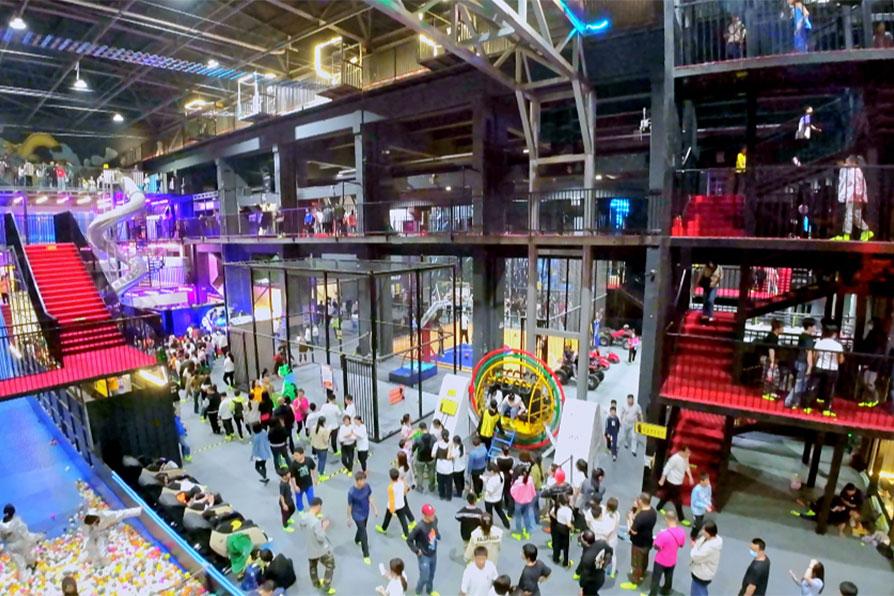
A commercial indoor playground is a professionally designed recreational facility that provides children with safe and engaging play experiences inside a controlled environment.
Unlike traditional outdoor playgrounds, indoor playgrounds operate throughout the year and are unaffected by weather conditions.
A typical commercial indoor playground may include:
- Soft play structures
- Ball pits
- Climbing obstacles
- Slides
- Interactive games
- Trampoline areas
- Ninja courses
- Toddler zones
Modern indoor playgrounds are designed not only for entertainment but also for child development. They help improve:
- Motor skills
- Coordination
- Social interaction
- Problem-solving abilities
- Creativity
Many facilities now integrate educational play elements, digital interaction systems, and themed environments to enhance customer engagement.
LSI Keywords
- Indoor play center
- Soft play equipment
- Family entertainment center
- Children’s indoor playground
- Indoor amusement park
- Kids play center
- Indoor recreation facility
Summary: A commercial indoor playground is a professionally designed indoor recreation facility that combines entertainment, education, and physical activity for children.
Types of Commercial Indoor Playgrounds
Not all indoor playgrounds are the same. Different business models require different equipment configurations and target audiences.
1. Soft Play Indoor Playgrounds
Soft play playgrounds are the most common option for young children.
Features include:
- Foam-padded structures
- Ball pools
- Soft obstacles
- Crawl tunnels
- Mini slides
Best for:
- Shopping malls
- Daycare centers
- Preschool facilities
2. Themed Indoor Playgrounds
Themed playgrounds create immersive experiences.
Popular themes include:
- Jungle adventures
- Ocean worlds
- Space exploration
- Castle kingdoms
- Cartoon characters
These facilities often generate stronger customer loyalty and social media exposure.
3. Trampoline Parks
Commercial trampoline parks remain one of the most profitable indoor entertainment formats.
Equipment may include:
- Free jump zones
- Foam pits
- Dodgeball courts
- Slam dunk areas
- Air bags
Trampoline parks attract both children and teenagers.
4. Ninja Warrior Courses
Inspired by obstacle racing competitions, ninja courses appeal to older children and young adults.
Typical elements include:
- Monkey bars
- Climbing walls
- Balance bridges
- Rope obstacles
5. Family Entertainment Centers (FECs)
Large-scale FECs combine multiple attractions:
- Indoor playgrounds
- Trampolines
- Arcade games
- Birthday party rooms
- Cafés
These facilities create multiple revenue streams.
6. Adventure Indoor Parks
Adventure parks focus on active challenges.
Common attractions include:
- Rope courses
- Climbing structures
- Interactive sports games
- High-rope challenges
Summary: Commercial indoor playgrounds range from soft play centers to large family entertainment complexes, allowing investors to choose a model that matches their budget and market demand.
Best Commercial Indoor Playground Equipment in 2026
Choosing the right equipment is one of the most important decisions for long-term success.
Multi-Level Soft Play Structures
Multi-level play systems maximize play value while utilizing vertical space efficiently.
Advantages:
- High capacity
- Strong visual impact
- Excellent ROI
- Flexible customization
Interactive Play Equipment
Digital technology is transforming indoor playgrounds.
Popular interactive attractions include:
- Motion-sensing games
- LED climbing walls
- Interactive slides
- Projection play systems
Interactive equipment increases repeat visits.
Trampoline Attractions
Top trampoline features include:
- Main jump arena
- Foam pits
- Performance trampolines
- Airbag systems
These attractions generate strong engagement across multiple age groups.
Indoor Climbing Walls
Modern climbing walls offer:
- Adjustable difficulty levels
- Interactive scoring systems
- Compact footprints
They attract both children and adults.
Ninja Challenge Equipment
Ninja obstacles are increasingly popular because they combine:
- Physical exercise
- Competition
- Social interaction
Toddler Play Areas
Dedicated toddler zones are essential for family-oriented facilities.
Features often include:
- Soft blocks
- Mini slides
- Sensory panels
- Educational games
Role-Play Zones
Role-play environments encourage imaginative learning.
Examples include:
- Mini supermarkets
- Fire stations
- Hospitals
- Construction sites
Summary: The best commercial indoor playground equipment combines physical activity, interactive technology, and age-specific experiences to maximize customer satisfaction.
How to Choose Commercial Indoor Playgrounds
Selecting the right indoor playground requires careful planning.
Understand Your Target Market
Ask important questions:
- What age group will you serve?
- What is the local income level?
- What competitors already exist?
Market research helps avoid costly mistakes.
Evaluate Available Space
Indoor playground design should maximize:
- Capacity
- Traffic flow
- Visibility
- Safety
Professional design can significantly improve operational efficiency.
Focus on Safety Standards
Ensure compliance with international standards such as:
- ASTM standards
- EN standards
- ISO quality systems
Safety certification increases customer trust.
Choose Durable Materials
High-quality equipment typically uses:
- Galvanized steel
- Powder-coated metal
- Premium plastic components
- Flame-retardant materials
Durability reduces maintenance costs.
Consider Customization
Customized playgrounds help create unique customer experiences.
Customization options include:
- Color schemes
- Branding
- Themes
- Interactive features
Evaluate Supplier Experience
When choosing a manufacturer, consider:
- Industry experience
- Global project portfolio
- Design capabilities
- Installation support
- After-sales service
Companies such as Liben Group have supplied indoor playground projects in numerous countries and provide turnkey solutions from design to installation.
Summary: The best commercial indoor playground investment begins with understanding your market, selecting quality equipment, and partnering with an experienced manufacturer.
Cost of Commercial Indoor Playgrounds
One of the most frequently asked questions is: How much does a commercial indoor playground cost?
The answer depends on several factors.
Small Indoor Playgrounds
Size:
- 100–300 square meters
Estimated investment:
- $15,000–$80,000
Suitable for:
- Cafés
- Preschools
- Small retail spaces
Medium Indoor Playgrounds
Size:
- 300–1,000 square meters
Estimated investment:
- $80,000–$400,000
Suitable for:
- Shopping centers
- Family entertainment venues
Large Indoor Adventure Parks
Size:
- 1,000–5,000+ square meters
Estimated investment:
- $400,000–$2 million+
Suitable for:
- Destination entertainment centers
- Large FECs
- Regional attractions
Additional Costs
Investors should also budget for:
- Site preparation
- Flooring
- HVAC systems
- Lighting
- Staff training
- Marketing
- Insurance
ROI Expectations
Many successful indoor playgrounds achieve ROI within:
- 18–36 months
Revenue sources include:
- Admission tickets
- Membership programs
- Birthday parties
- Food and beverages
- Merchandise sales
- Special events
Summary: Commercial indoor playground investment ranges from tens of thousands to several million dollars depending on facility size, equipment selection, and business model.
Applications and Successful Cases
Commercial indoor playgrounds can be installed in many environments.
Shopping Malls
Indoor playgrounds increase:
- Customer dwell time
- Family traffic
- Retail spending
Many malls use playgrounds as anchor attractions.
Family Entertainment Centers
FEC operators often combine:
- Indoor playgrounds
- Trampolines
- Arcades
- Cafés
This creates diversified revenue streams.
Hotels and Resorts
Family-friendly resorts increasingly install indoor play areas to attract guests with children.
Community Centers
Municipal facilities use indoor playgrounds to promote healthy lifestyles and social interaction.
Educational Institutions
Schools and learning centers integrate indoor play equipment into educational programs.
Successful Industry Trend
According to industry forecasts, the global indoor entertainment market is expected to continue growing through 2030 as families prioritize experiential spending over traditional products.
Key trends include:
- Interactive technology
- Smart play systems
- Personalized experiences
- Inclusive playground design
- Sustainable materials
Summary: Commercial indoor playgrounds are widely used across retail, hospitality, education, and entertainment sectors, making them a versatile investment opportunity.
Frequently Asked Questions (FAQ)
1. How profitable are commercial indoor playgrounds?
Profitability depends on location, management, and attraction mix. Well-operated facilities often achieve healthy profit margins through multiple revenue streams.
2. What is the best age group for indoor playgrounds?
Most facilities target children aged 2–12 years, although trampoline parks and ninja courses can attract teenagers and adults.
3. How much space is needed for an indoor playground?
Small projects can start at 100 square meters, while larger family entertainment centers may exceed 5,000 square meters.
4. Are commercial indoor playgrounds safe?
Yes. When designed and maintained according to ASTM and EN safety standards, indoor playgrounds provide a highly controlled environment.
5. How long does installation take?
Typical projects require 2–8 weeks depending on size and complexity.
6. What materials are used in commercial playground equipment?
Common materials include galvanized steel, PVC-coated foam, engineering plastics, safety nets, and powder-coated metal components.
7. Can indoor playgrounds be customized?
Yes. Most manufacturers offer customized themes, branding, colors, and attraction layouts.
8. What are the latest indoor playground trends for 2026?
The biggest trends include:
- Interactive digital play
- Smart technology integration
- Inclusive design
- Sustainability
- Multi-generational attractions
Summary: Investors increasingly focus on safety, customization, and technology integration when developing modern commercial indoor playgrounds.
Conclusion
Commercial indoor playgrounds continue to be one of the most attractive opportunities in the global family entertainment industry in 2026. Growing consumer demand, recurring revenue models, and year-round operation make them a compelling investment for entrepreneurs, shopping mall owners, and entertainment operators.
Success depends on choosing the right location, designing a unique play experience, investing in high-quality equipment, and partnering with an experienced manufacturer.
Whether you are planning a small indoor play center or a large family entertainment destination, a professionally designed commercial indoor playground can deliver long-term growth and strong returns.
Ready to Start Your Indoor Playground Project?
If you are looking for customized commercial indoor playground solutions, professional design support, and international safety-compliant equipment, contact Liben Group today. Our team can help you develop a complete turnkey solution tailored to your market, budget, and business goals.