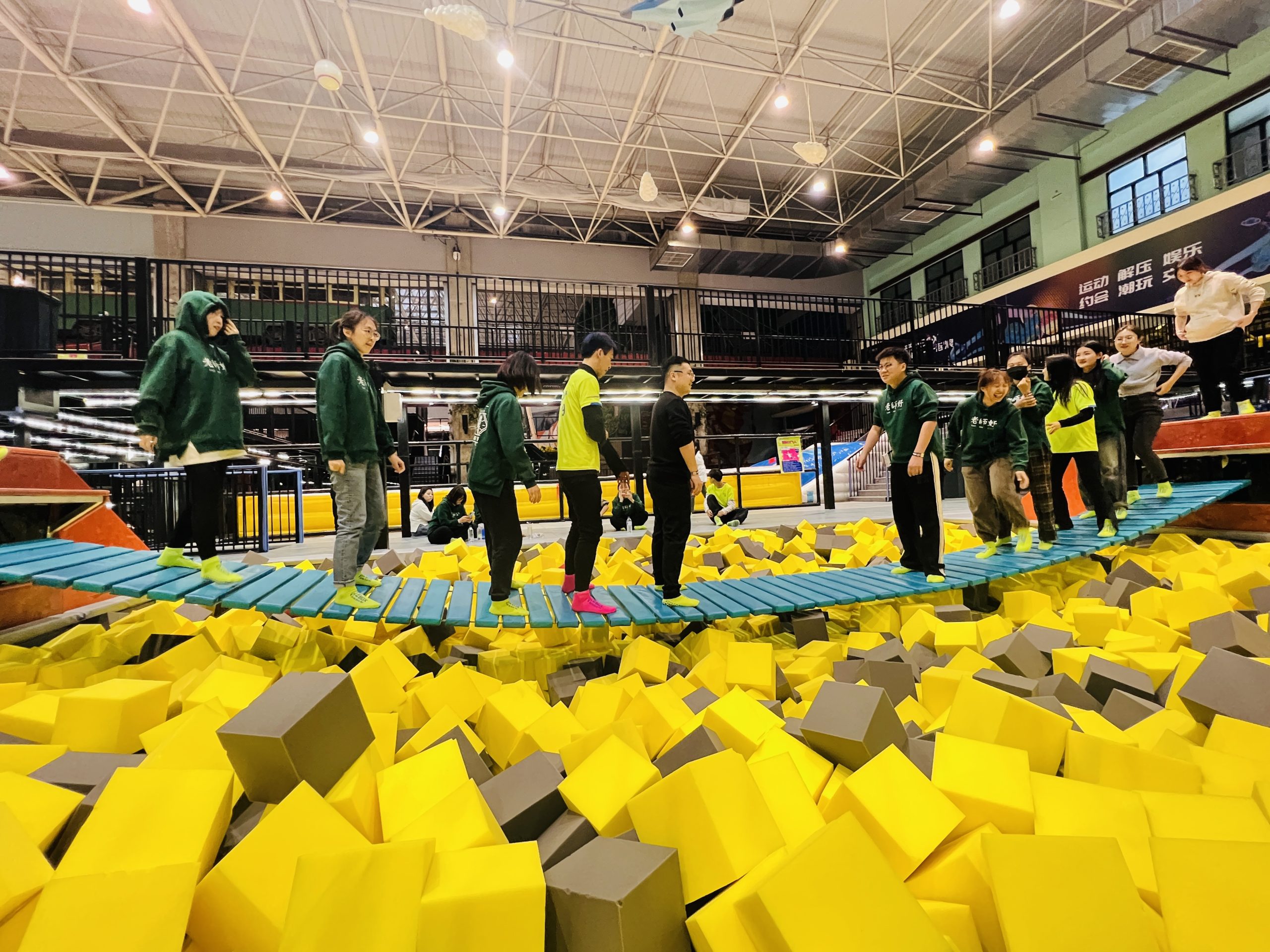
The global family entertainment industry continues to expand rapidly in 2026. Commercial trampoline parks have become one of the fastest-growing attractions in Family Entertainment Centers (FECs), shopping malls, commercial trampoline equipment, sports complexes, and adventure parks.
Industry analysts predict that the indoor active entertainment market will maintain strong annual growth due to increasing demand for fitness-based recreation, social experiences, and family-friendly attractions.
However, investors and operators face several challenges:
- Choosing the right commercial trampoline equipment
- Controlling startup costs
- Maximizing visitor capacity
- Meeting international safety standards
- Creating unique attractions that generate repeat visits
Modern trampoline parks are no longer limited to simple jumping areas. Today’s facilities integrate ninja courses, climbing walls, foam pits, interactive games, and adventure attractions into one comprehensive entertainment venue.
Summary: Commercial trampoline equipment has evolved into a complete active entertainment solution that combines recreation, fitness, and profitable business opportunities.
What Is Commercial Trampoline Equipment?
Commercial trampoline equipment refers to professional-grade trampoline systems specifically designed for high-frequency use in public entertainment venues.
Unlike residential trampolines, commercial systems are engineered to withstand thousands of jumps daily while complying with strict safety regulations.
Typical commercial trampoline equipment includes:
- Main jumping arenas
- Foam pit trampolines
- Dodgeball courts
- Basketball dunk zones
- Airbag landing systems
- Ninja warrior obstacles
- Interactive trampoline games
- Climbing attractions
- Performance trampolines
- Kids trampoline areas
Commercial trampoline systems are typically manufactured using:
- Heavy-duty galvanized steel frames
- High-strength trampoline beds
- Commercial-grade springs
- Impact-absorbing safety pads
- Reinforced safety netting
- Fire-retardant materials
Leading manufacturers such as Liben Group focus on modular designs that allow operators to customize park layouts according to venue size and target demographics.
Summary: Commercial trampoline equipment consists of durable, safety-certified attractions designed for continuous operation in professional entertainment environments.
Types of Commercial Trampoline Equipment
A successful trampoline park usually combines multiple attraction zones to maximize customer engagement and revenue.
1. Main Trampoline Court
The core attraction of every trampoline park.
Features:
- Large interconnected trampoline beds
- Open jumping areas
- High visitor capacity
- Suitable for all age groups
Benefits:
- Easy operation
- High throughput
- Strong customer appeal
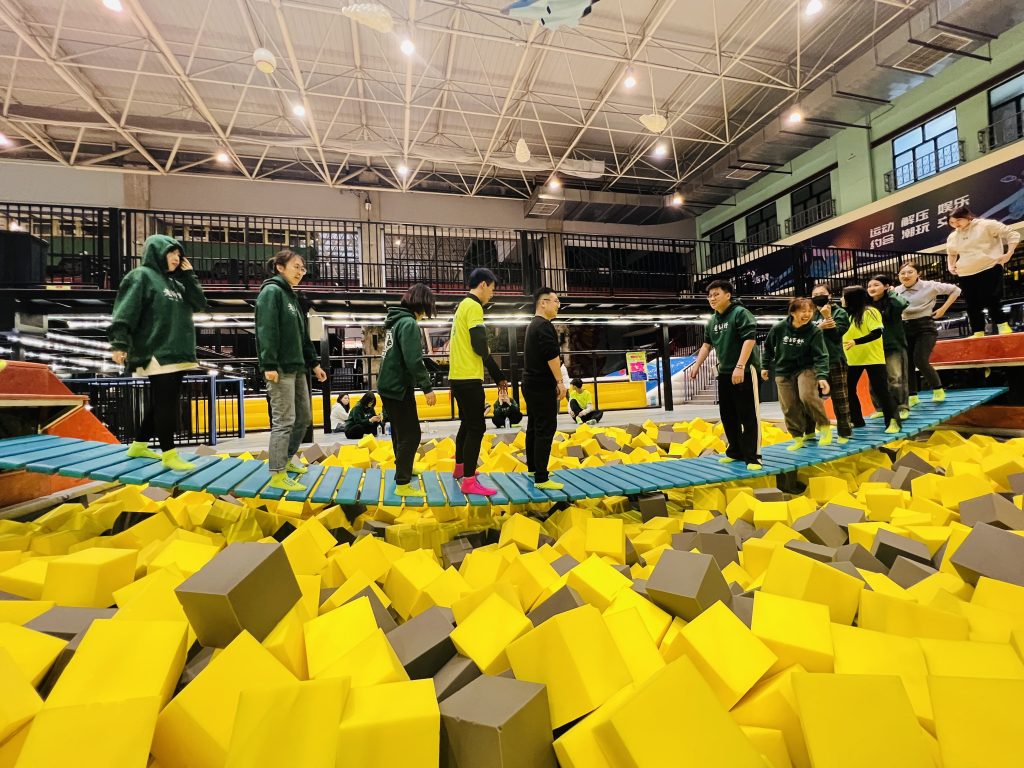
2. Foam Pit Trampolines
Participants jump into foam cubes or soft landing pits.
Advantages:
- Safe aerial tricks
- Beginner-friendly
- Popular among teenagers
Common applications:
- Trampoline parks
- Gymnastics centers
- Training facilities
3. Trampoline Dodgeball Courts
Combines traditional dodgeball with trampoline action.
Benefits:
- Team competitions
- Group bookings
- Corporate events
This attraction significantly increases repeat visits.
4. Basketball Slam Dunk Zones
Allows visitors to perform professional-style slam dunks.
Popular features:
- Adjustable hoop heights
- Airbag landings
- Social media appeal
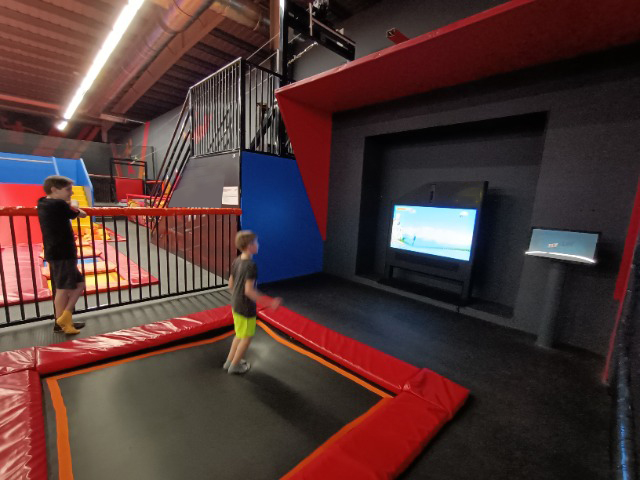
5. Interactive Trampoline Systems
Technology-enhanced attractions featuring:
- Motion sensors
- LED lighting
- Digital scoring
- Interactive games
These systems are becoming a major trend in 2026.
6. Airbag Jump Platforms
Replacing traditional foam pits in many new projects.
Advantages:
- Easier maintenance
- Better hygiene
- Longer lifespan
7. Kids Trampoline Areas
Designed specifically for younger children.
Features:
- Lower jumping surfaces
- Additional safety barriers
- Soft play integration
8. Ninja Challenge Courses
One of the fastest-growing additions to trampoline parks.
Typical elements include:
- Rope obstacles
- Balance beams
- Climbing walls
- Hanging rings
Summary: Combining multiple trampoline attractions creates a more engaging customer experience and increases revenue opportunities.
Best Commercial Trampoline Equipment for Modern Parks
Selecting the right equipment mix directly impacts profitability.
High-Performing Equipment Categories
Free Jump Arena
Essential for every trampoline park.
Reasons:
- Highest utilization rate
- Broad demographic appeal
- Strong ROI
Interactive Trampolines
Increasingly popular in 2026 because they blend physical activity with gaming experiences.
Benefits:
- Longer play sessions
- Increased customer retention
- Premium pricing opportunities
Ninja Warrior Courses
Provide an additional challenge beyond jumping.
Advantages:
- Appeals to older children and adults
- Supports competitions
- Encourages repeat visits
Climbing Attractions
Modern trampoline parks often integrate:
- Clip-and-climb walls
- Adventure climbing towers
- Themed climbing structures
These attractions diversify revenue streams.
Airbag Landing Systems
Many operators prefer airbags over foam pits because they:
- Reduce maintenance costs
- Improve cleanliness
- Enhance safety management
Multi-Level Adventure Zones
Combining:
- Trampolines
- Rope courses
- Slides
- Soft play
Creates a complete indoor entertainment destination.
Summary: The most successful parks combine trampolines with interactive, climbing, and adventure-based attractions to maximize visitor engagement.
How to Choose Commercial Trampoline Equipment
Choosing equipment requires balancing safety, customer experience, and return on investment.
Evaluate Your Target Market
Questions to consider:
- Children-focused venue?
- Family entertainment center?
- Teen attraction?
- Sports training facility?
Different audiences require different equipment combinations.
Verify Safety Certifications
Look for compliance with:
- ASTM standards
- EN standards
- CE requirements
- Local safety regulations
Safety certifications help reduce operational risks.
Consider Venue Size
Small parks may prioritize:
- Main jump arenas
- Foam pits
- Basketball zones
Large parks can incorporate:
- Ninja courses
- Climbing attractions
- Interactive systems
Choose Experienced Manufacturers
Reliable suppliers provide:
- Custom design
- Manufacturing
- Installation
- Staff training
- After-sales support
Manufacturers with international project experience often deliver better long-term value.
Analyze Revenue Potential
Evaluate each attraction based on:
- Visitor popularity
- Throughput capacity
- Maintenance requirements
- Revenue generation
Not every attraction produces equal ROI.
Future Expansion Possibilities
Modular equipment allows operators to:
- Expand gradually
- Introduce new attractions
- Respond to market trends
Summary: The best commercial trampoline equipment is safe, scalable, customer-focused, and capable of generating sustainable returns.
Cost of Commercial Trampoline Equipment
Investment costs vary significantly based on park size, equipment selection, and customization requirements.
Small Trampoline Parks
Area:
- 300–500㎡
Estimated investment:
- $50,000–$150,000
Typical attractions:
- Main jump court
- Foam pit
- Basketball zone
Medium Trampoline Parks
Area:
- 500–1,500㎡
Estimated investment:
- $150,000–$500,000
Additional attractions:
- Dodgeball courts
- Ninja courses
- Interactive systems
Large Commercial Parks
Area:
- 1,500–5,000㎡+
Estimated investment:
- $500,000–$2,000,000+
Features:
- Multiple activity zones
- Climbing attractions
- Adventure courses
- Advanced technology systems
Factors Affecting Costs
Key cost drivers include:
- Venue size
- Equipment quantity
- Custom themes
- Interactive technology
- Safety systems
- Installation requirements
- Shipping costs
Expected ROI
Many professionally operated trampoline parks report:
- 18–36 months payback periods
- Strong membership revenues
- High birthday party income
- Additional food and beverage sales
Actual results depend on location, management, and marketing performance.
Summary: Commercial trampoline equipment investments range from tens of thousands to several million dollars, with profitability driven by park design and operational efficiency.
Applications and Successful Cases
Commercial trampoline equipment serves multiple industries.
Family Entertainment Centers (FECs)
Benefits:
- Increased foot traffic
- Multi-generational appeal
- Strong repeat business
Shopping Malls
Trampoline parks help malls:
- Extend customer dwell time
- Increase visitor frequency
- Attract families
Sports Training Facilities
Applications include:
- Gymnastics training
- Parkour practice
- Athletic conditioning
Indoor Playground Centers
Combining trampolines with soft play creates comprehensive entertainment destinations.
Tourism Attractions
Many resorts and recreation centers use trampoline attractions to:
- Increase guest satisfaction
- Expand activity offerings
- Generate additional revenue
Example Park Layout
A modern 2,000㎡ trampoline park may include:
- Main jump arena
- Foam pit zone
- Dodgeball court
- Basketball area
- Ninja warrior course
- Climbing wall
- Interactive games
- Kids zone
- Party rooms
This configuration supports diverse customer groups and multiple revenue channels.
Summary: Commercial trampoline equipment is widely used across entertainment, sports, retail, and tourism sectors.
FAQ About Commercial Trampoline Equipment
1. How long does commercial trampoline equipment last?
High-quality commercial systems typically last 8–15 years with proper maintenance.
2. What safety standards should trampoline equipment meet?
Most projects require ASTM, EN, CE, and local safety compliance standards.
3. How much space is needed for a trampoline park?
Small facilities can start from 300㎡, while large parks often exceed 2,000㎡.
4. What is the most profitable trampoline attraction?
Main jump arenas, interactive trampolines, and ninja courses often generate the highest utilization rates.
5. Are trampoline parks suitable for adults?
Yes. Modern parks increasingly target teenagers, young adults, and corporate groups.
6. How often should equipment be inspected?
Daily inspections and comprehensive monthly safety audits are recommended.
7. Can trampoline equipment be customized?
Yes. Most professional manufacturers offer customized themes, layouts, colors, and attraction combinations.
8. Is commercial trampoline equipment a good investment in 2026?
Demand for active entertainment continues to grow, making well-managed trampoline parks attractive investment opportunities.
Conclusion
Commercial trampoline equipment remains one of the most profitable segments within the family entertainment industry in 2026. Modern parks combine trampolines, ninja courses, climbing attractions, interactive games, and adventure experiences to create destinations that attract visitors year-round.
For investors, operators, and procurement managers, success depends on selecting high-quality equipment, designing an optimized park layout, and partnering with an experienced manufacturer.
Whether you are launching a new trampoline park or upgrading an existing facility, choosing the right commercial trampoline equipment can significantly improve visitor satisfaction, operational efficiency, and long-term profitability.
Request a Custom Trampoline Park Solution
Looking for a professional commercial trampoline equipment manufacturer?
Contact our design team today for:
- Free project consultation
- Customized park layouts
- 3D design proposals
- Equipment recommendations
- Budget planning support
- Global installation services
Start building a profitable trampoline park for 2026 and beyond.