The indoor entertainment market is growing faster than most real estate categories. In 2026, the global indoor playground equipment market is valued at 7.3billion—anditisprojectedtoreach11.91 billion by 2035, at a CAGR of 6%. For investors, mall developers, and amusement park operators, that trajectory represents a reliable long-term play. But sourcing the wrong equipment is the most common and most expensive mistake new operators make.
This guide covers every dimension of commercial indoor playground equipment: what it is, which types perform best, how to choose the right configuration, what it actually costs in 2026, and where the market is heading.
What Is Indoor Playground Equipment?
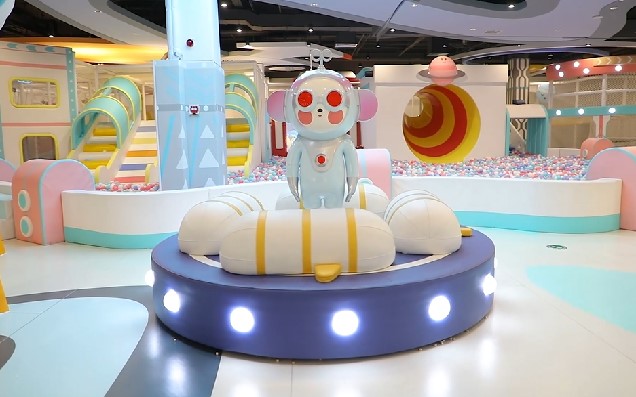
Indoor playground equipment refers to a category of commercial-grade play structures, interactive attractions, and soft play systems designed for enclosed venues — shopping malls, family entertainment centers (FECs), resorts, schools, and standalone play centers.
Unlike residential backyard sets, commercial indoor playground equipment is engineered for:
- High-volume use: 200–1,000+ visitors per day
- Structural durability: Steel frames, HPL panels, commercial-grade PVC/TPU coverings
- Safety compliance: ASTM F1487 (USA), EN 1176 (Europe), ISO 8124
- Modular customization: Theme integration, expandable layouts, multi-level structures
The equipment spans age groups from toddlers (1–3 years) to teenagers (14+), with different structural standards and play mechanics for each segment. A well-designed facility combines multiple attraction types to maximize dwell time and revenue per visitor.
In summary, indoor playground equipment is the physical infrastructure of a play business — and the quality of that infrastructure directly determines safety, maintenance costs, and long-term profitability.
Types of Indoor Playground Equipment
Modern indoor play facilities are rarely single-concept venues. The highest-performing FECs layer multiple equipment categories into one cohesive experience. Here are the main types operators invest in.
Soft Play Structures
Soft play is the backbone of most children’s indoor playgrounds. These multi-level structures combine:
- Foam-padded tunnels, slides, and climbing walls
- Ball pools and foam pit zones
- Themed design skins (jungle, space, castle, ocean)
- Modular panel systems for layout flexibility
Material standard: Closed-cell EVA foam core + 650–900 g/m² PVC or TPU covering. TPU adds 20–40% to material cost but doubles service life.
Soft play structures suit ages 2–12 and generate the broadest audience appeal of any indoor attraction.
Trampoline Park Equipment
Trampoline parks are the highest-revenue-per-square-foot category in commercial indoor play. Equipment includes:
- Free-jump trampoline arrays (single and interconnected)
- Foam pits with trampoline launch ramps
- Dodgeball courts on spring floors
- Wall-to-wall trampoline bays
- Slam dunk basketball trampolines
- Air bags and stunt landing zones
Key spec: Spring quality (galvanized steel, 7–9 gauge), frame gauge (2mm minimum for commercial), and padding thickness (5–8 cm closed-cell foam) determine safety and lifespan.
Ninja and Adventure Courses
Inspired by obstacle competition formats, ninja courses appeal to an older demographic (8–18+) that most soft play structures cannot capture. Elements include:
- Warped walls and tiered climbing modules
- Balance beams, hanging rings, and rope ladders
- Log rolls, salmon ladders, and flying bars
- Battle beam platforms
- Laser maze rooms and timed competition zones
These attractions command premium ticket pricing and attract repeat customers through skill progression — a strong retention mechanic.
Climbing Walls and Bouldering Zones
- Auto-belay systems for vertical climbing (15–18 ft)
- Bouldering circuits with interchangeable hold sets
- Toddler-safe low-level traverse walls (under 5 ft)
- Rope climbing with foam landing surfaces
Climbing walls have low operating labor requirements and high margin potential when paired with tiered session pricing.
Interactive and Technology Play
The fastest-growing segment in 2026, interactive play integrates digital and physical play:
- Projection-interactive floors (respond to footfall and touch)
- AR/VR headset gaming bays
- Interactive climbing walls with digital scoring
- Sensory play rooms with light and sound systems
- Digital ball pit projections
This category differentiates venues in competitive markets and commands the highest ticket pricing premium.
Toddler and Sensory Zones
Dedicated zones for ages 1–3 require a separate design language:
- Extra-soft foam padding (30–50 mm EVA)
- Low-height structures (max 60 cm off ground)
- Sensory panels (mirrors, texture boards, sound elements)
- Gated entry to separate from older children
- Anti-microbial fabric coverings
In summary, the best-performing indoor play venues combine soft play, trampoline, ninja, and interactive zones — each targeting a different age group and price point.
Best Indoor Playground Equipment: Key Features to Prioritize
Whether sourcing from a manufacturer directly or through a local distributor, these are the non-negotiable features in high-quality commercial indoor playground equipment.
Structural Frame and Core Materials
- Steel frame: 1.2–2.0 mm galvanized or powder-coated steel for main load-bearing elements
- Panel core: Birch plywood (12–18 mm) or HPL (high-pressure laminate) for slide channels and structure decks
- Foam core: Closed-cell EVA foam (density 50–70 kg/m³) for padded elements; avoid open-cell foam in commercial applications
- Aluminum hardware: Stainless or zinc-alloy fasteners resist corrosion in humid environments
Fabric Coverings
| Material | Weight | Lifespan | Best Use |
|---|---|---|---|
| Standard PVC | 650 g/m² | 4–8 years | Budget soft play |
| Heavy PVC | 900 g/m² | 6–12 years | High-traffic structures |
| TPU-coated | 700 g/m² | 8–15 years | Premium bounce and climb |
| Anti-microbial vinyl | 750 g/m² | 5–10 years | Toddler zones, medical-adjacent |
Safety Flooring
- EPDM rubber tiles (25–50 mm): Best for high-impact zones, ASTM F1292 certified
- Interlocking EVA mats: Cost-effective for low-impact areas
- Poured rubber: Premium seamless finish, ideal for trampoline perimeters
- Safety flooring accounts for 10–15% of total project cost — do not underinvest here
Third-Party Certifications
- ASTM F1487 / F1292 (USA)
- EN 1176 / EN 1177 (Europe)
- TÜV or SGS product certification
- ISO 9001 manufacturing quality system
- IPEMA certification (flooring systems)
The best indoor playground equipment combines heavy-gauge steel frames, high-density EVA foam, 900 g/m² PVC or TPU coverings, certified safety flooring, and verified third-party testing documentation.
How to Choose Indoor Playground Equipment
Investing 50,000–500,000+ in a play facility is a significant commitment. Here is the selection framework operators use to avoid costly mistakes.
1. Define Your Venue Concept First
- Mall play center (under 2,000 sq ft): Compact soft play + toddler zone
- Standalone FEC (5,000–15,000 sq ft): Mixed attractions — soft play + trampoline + ninja
- Resort or hotel play room: Themed soft play + interactive panels
- School or daycare: Sensory play + climbing + structured play zones
The concept determines which equipment categories belong in your facility — and which do not.
2. Match Equipment to Target Age Demographic
- Ages 1–3: Soft foam, sensory panels, max 60 cm height
- Ages 3–8: Multi-level soft play, slides, climbing nets
- Ages 8–14: Trampoline, ninja courses, bouldering
- Ages 14+: Trampoline park, warped wall, VR gaming
Covering multiple age groups under one roof increases family ticket spend and visit duration.
3. Calculate Space Allocation
- Trampoline areas need 20–22 ft clear ceiling height
- Soft play structures need minimum 14 ft
- Safety floor buffer zone: 6 ft minimum around all equipment perimeters
- Traffic flow corridors: 5 ft minimum between attraction zones
Poor space planning is the single most common cause of underperforming facilities.
4. Verify Safety Certifications
- Request test reports, not just certification claims
- Confirm which specific standard applies to your country of operation
- Ask about fire retardancy: UL94 / NFPA 701 compliance for fabric coverings
- Check EN 1176 Part 10 (indoor play equipment) for European markets
5. Evaluate Manufacturer Capability
- Direct factory with 50,000+ sq ft production capacity
- Minimum 5–10 year market history with verifiable project portfolio
- In-house design team capable of producing 2D/3D layouts
- Professional installation team with international delivery experience
6. Review Customization and Theme Options
- Proprietary theme IP vs. generic design
- 3D CAD design service before purchase
- Lead time for custom elements (8–14 weeks is standard)
- Pantone-matched color systems for brand-consistent builds
7. Understand Warranty and After-Sales
- Structural warranty: 3–5 years for commercial use
- Fabric warranty: 1–3 years depending on traffic volume
- Spare parts availability: Critical for minimizing downtime
- Remote technical support protocol: Response time and escalation process
8. Request References and Site Visits
- Ask for 3–5 completed project references with contact information
- Visit at least one operational site if possible
- Review photos of 2-year-old installations — not just new builds
- Check online operator reviews for maintenance and support experience
The bottom line on selection: choose equipment based on verified certifications, age-matched design, honest ROI projections, and a manufacturer with demonstrable track record — not the lowest initial price.
Cost of Indoor Playground Equipment in 2026
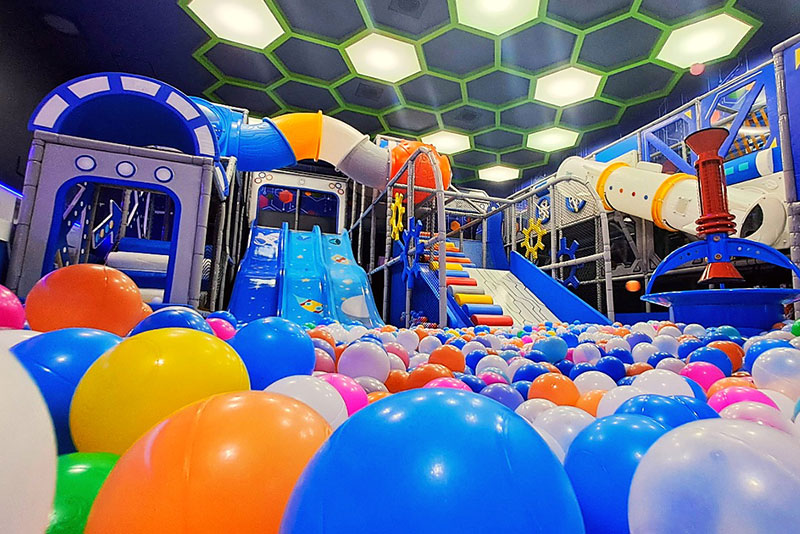
Pricing in 2026 is more transparent than ever, with factory-direct sourcing now accessible to most operators. Here is a realistic breakdown.
Equipment Cost by Type
| Equipment Category | Space Required | Equipment Cost (USD) | Revenue Potential |
|---|---|---|---|
| Soft play structure | 1,000–5,000 sq ft | 20,000–80,000 | High |
| Trampoline park | 3,000–10,000 sq ft | 50,000–150,000 | Very High |
| Ninja / adventure course | 2,000–8,000 sq ft | 40,000–120,000 | High |
| Toddler zone | 500–1,500 sq ft | 10,000–30,000 | Medium |
| Interactive / tech play | 500–2,000 sq ft | 15,000–60,000 | Very High |
| Role-play / themed zone | 800–2,000 sq ft | 10,000–40,000 | Medium |
Total Project Budget by Venue Size
| Venue Size | Equipment Cost | Total Project Budget | Cost per Sq Ft |
|---|---|---|---|
| Under 2,000 sq ft | 8,000–25,000 | 50,000–150,000 | 25–40 |
| 2,000–5,000 sq ft | 30,000–70,000 | 150,000–400,000 | 20–35 |
| 5,000–10,000 sq ft | 70,000–150,000 | 300,000–700,000 | 18–30 |
| 10,000+ sq ft (FEC) | 150,000–500,000+ | 500,000–1,000,000+ | 15–25 |
Budget Allocation Breakdown
For a $300,000 mid-size venue:
- Play equipment: 30–50% (90,000–150,000)
- Site preparation (HVAC, electrical, lighting): 20–25% (60,000–75,000)
- Installation labor: 15–20% (45,000–60,000)
- Safety flooring: 10–15% (30,000–45,000)
- Design and planning: 3–5% (9,000–15,000)
- Permits and insurance: 2–5% (6,000–15,000)
ROI Benchmarks
- Annual revenue for a 5,000 sq ft venue: 250,000–750,000
- Net profit margin after operating costs: 20–40%
- Payback period: 12–24 months for well-located venues
- Revenue split: 50–65% tickets, 15–25% parties/events (highest margin)
In short, commercial indoor playground equipment costs 20,000to20,000to500,000+ depending on type and scale, with total venue build costs of 50,000to50,000to1,000,000+ — and breakeven typically achieved within 12–24 months.
Applications and Case Studies
Indoor playground equipment is not limited to standalone play centers. Here are the most profitable application models in 2026.
Family Entertainment Centers (FECs)
- Mixed-use 5,000–20,000 sq ft facilities combining play, dining, and party rooms
- Average ticket price: 12–25 per child; birthday party packages 350–800
- The FEC market reached 34.6billionin2024andisprojectedtohit56.2 billion by 2029
Shopping Mall Play Centers
- Anchor family traffic in mall common areas
- Revenue-share lease models reduce operator capital exposure
- Typical size: 1,000–3,500 sq ft; fast ROI due to existing foot traffic
- A 2,000 sq ft mall play center with 15averageticketcangenerate450,000+ annually at 75% weekend occupancy
Hospitality and Resort Facilities
- Hotels, resorts, and cruise facilities install indoor playgrounds to increase family bookings
- Equipment is billed as amenity cost, offset by room rate premium
- Typical scale: 800–3,000 sq ft; focus on themed soft play and interactive zones
School and Preschool Facilities
- Indoor recess structures for primary and kindergarten programs
- Focus on developmental play: sensory, motor skill, cooperative play design
- Budget range: 15,000–80,000; governed by EN 1176-10 or equivalent national standards
Theme Parks and Entertainment Venues
- Large-scale indoor zones within outdoor parks extending all-weather viability
- Investment: 500,000–2,000,000+ for major installations
- Integration of themed IP, immersive lighting, and interactive technology
To summarize, indoor playground equipment creates revenue across FECs, malls, resorts, schools, and theme parks — with the most profitable operators running multi-format venues that extend across age groups and revenue streams.
2026 Market Trends
The indoor play industry is entering a technology-accelerated growth phase. Key forces shaping the market:
- Market size: 7.3billionin2026,projected11.91 billion by 2035 (CAGR 6%)
- Soft play sub-market: 4.8billionin2026,growingto10.17 billion by 2035 at 8.7% CAGR
- Over 16,000 indoor play establishments operating in the US alone (NAICS 713950, 2022)
- 27% of parents will pay a premium for venues with verified safety and hygiene standards
- Interactive/tech play: Growing at 12%+ annually, fastest segment in the category
- Sustainability: HDPE panels from recycled plastics, water-based coatings, and low-VOC adhesives now standard among top manufacturers
- Asia-Pacific dominates new facility openings — 45% of global investment in indoor play infrastructure in 2025
FAQ
What is the difference between commercial and residential indoor playground equipment?
Commercial equipment is built to different structural and safety standards. It uses heavier steel gauges (1.5–2.0 mm vs. 0.8 mm residential), higher-density foam, fire-retardant coverings, and certified safety flooring. Commercial units are designed for 200–1,000 visitors per day and must meet ASTM F1487 or EN 1176 standards. Residential equipment is not appropriate or legally compliant for commercial operations.
How long does indoor playground equipment last?
With proper maintenance, commercial-grade equipment lasts 8–15 years. Steel frames typically outlast their original fabric coverings. Most operators budget for fabric and foam replacement at 5–8 years in high-traffic venues. Annual professional inspections extend equipment lifespan and maintain certification compliance.
What safety standards should indoor playground equipment meet?
In the US: ASTM F1487 (structural safety) and ASTM F1292 (impact attenuating surfaces). In Europe: EN 1176 (equipment) and EN 1177 (safety surfacing). Additional standards include ISO 8124-1 for general toy safety and NFPA 101 for life safety and egress. Always request third-party test reports — not just manufacturer claims.
What is the minimum space needed for a commercial indoor playground?
The minimum viable commercial footprint is approximately 1,000 sq ft. This supports a compact soft play structure with a toddler zone. A profitable standalone FEC typically requires 3,000–6,000 sq ft minimum to accommodate enough attraction variety for multi-ticket revenue. Ceiling height is equally critical: 14 ft minimum for soft play, 20–22 ft for trampoline parks.
How much does it cost to start a small indoor playground?
A small 2,000 sq ft venue costs 50,000–150,000 in total project investment, including equipment (8,000–25,000), safety flooring, site prep, and installation. Working capital for 6 months of operations adds another 30,000–60,000. Franchise models can increase initial cost but reduce operational learning curve.
Can indoor playground equipment be customized with a theme?
Yes. Leading manufacturers offer full-theme customization including 3D rendering, Pantone-matched colors, branded character integration, and custom structure naming. Theme customization typically adds 15–30% to base equipment cost but significantly increases perceived venue value and social media shareability. Custom lead time is typically 8–14 weeks.
How do I maintain commercial indoor playground equipment?
- Daily: Surface wipe-down with pH-neutral cleaner; inspect for loose bolts, torn fabric, and protrusions
- Weekly: Check seam integrity, stitch lines, and zipper closures on padded elements
- Monthly: Torque-check all structural fasteners; inspect foam density
- Annually: Professional inspection with impact attenuation testing on safety flooring; recertification if required
What is the typical ROI period for an indoor playground investment?
Well-located venues achieve payback in 12–24 months. Key variables: foot traffic volume, ticket pricing strategy, party/event revenue mix, and occupancy rate. A 5,000 sq ft venue generating 50–150 per sq ft annually at 20–40% net margin can clear its capital investment in under 18 months in high-traffic markets.
Planning your indoor playground project? Whether you are launching a standalone FEC, adding a play zone to a mall, or expanding an existing venue, the right equipment partner determines whether your facility opens on time, within budget, and built to last. [Liben Group] has delivered complete indoor playground installations across 50+ countries — from 1,000 sq ft soft play centers to 30,000 sq ft multi-level FECs — with ISO-certified manufacturing, EN/ASTM-compliant designs, and factory-direct pricing. [Contact the project team] today for a free layout design and equipment quote tailored to your venue dimensions.