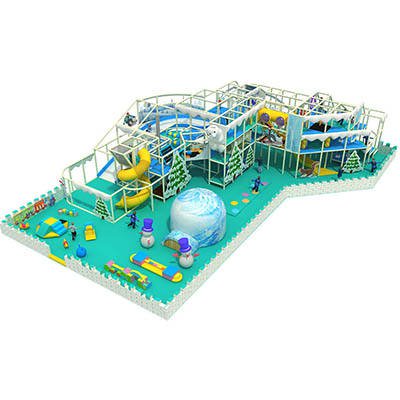
You want an indoor playground that helps kids learn and have fun. Parents want their kids to be safe in every indoor playground. They know kids need a place to move and play. Kids also need to build motor skills and make friends. The indoor playground industry is getting bigger. Families trust places with a commercial indoor play structure. These places are made for fun and safety. Businesses make more money when they buy commercial indoor playgrounds. These playgrounds welcome families and help make good memories.
- Indoor playgrounds help families spend time together.
- Kids have fun and stay safe in indoor playgrounds.
- Playgrounds help businesses connect with the community.
Key Takeaways
- Make safety come first. Check if your playground follows safety rules in your area and country.
- Pick equipment that fits the age of the kids. This helps make the playground fun and safe for everyone.
- Use strong materials. These last longer and do not need much fixing.
- Add different activities and themes. This keeps kids interested and makes families want to come back.
- Choose trusted vendors. They help set up the playground and give support after you buy it. This helps your playground do well for a long time.

Safety in Commercial Indoor Play Structure
Safety is very important when picking an indoor playground. It keeps kids safe and makes parents feel calm. You must follow strict rules to make sure every part meets high standards.
Regulatory Compliance
Always check if your playground follows safety rules in your area. In the United States, ASTM and CPSC give guidelines. These groups set rules for how far apart equipment should be and how tall fall zones are. You need to know your local rules and look up safety standards for your city or state. Insurance companies often want you to use certified equipment. This can help you pay less for insurance and lower risks.
- ASTM and CPSC guidelines
- Equipment spacing and fall zone heights
- Local and national compliance
- Insurance requirements for certified equipment
Material Safety
Materials in your playground must be strong and safe. Avoid toxic things and pick materials that last a long time. Here is a quick look at common materials:
| Material Type | Common Types | Durability Features | Safety Considerations |
|---|---|---|---|
| Metal | Galvanized Steel, Aluminum | Sturdy, weather-resistant | Great for swings, slides, monkey bars |
| Wood | Treated lumber, Cedar, Pine | Strength, natural decay resistance | Suitable for swing sets, climbing structures |
| Plastic | High-Density Polyethylene (HDPE), Rotomolded Plastic | Impact-resistant, UV-resistant | Ideal for playhouses, activity panels |
| Rubber | Recycled Rubber, Rubber Coating | Shock-absorbing, weather-resistant | Used for impact-absorbing surfaces, swing seats |
Look for certifications like ASTM F1918 or certificates from labs such as TUV Rheinland or SGS. These show your playground meets strict safety rules.
Injury Prevention
You can stop many injuries by picking the right design and doing safety checks. Most injuries happen when kids use equipment not made for their age or when there are dangerous gaps. Separate play areas by age group and check all openings and spaces. Regular checks and watching kids help keep them safe. Staff and caregivers should watch kids and show them how to use the equipment.
Tip: Do safety checks often and watch kids closely. This helps stop accidents and keeps your indoor playground safe for everyone.
Age Appropriateness & Inclusivity
Age Group Suitability
You want all kids to have fun and stay safe. Pick equipment that fits the right age group. This helps kids play and learn in the best way. Different ages need different play structures. Infants need soft floors and crawl tunnels. Preschoolers like climbing and playing with panels. School-age kids want bigger things like climbing walls and swings.
Here is a simple guide for picking the right equipment:
| Age Group | Recommended Play Structures |
|---|---|
| Infants and Toddlers (0-2 Years) | Crawl Tunnels, Low Slides, Soft Surfaces |
| Preschoolers (2-5 Years) | Climbing Structures, Interactive Play Panels, Sand and Water Play Areas |
| School-Age Children (5-12 Years) | Large Climbing Structures, Swings, Social Play Elements |
A good playground has separate areas for each age group. This keeps younger kids safe from older kids. Always check that your play structure fits the age group you want.
Tip: Put up signs to show which area is for each age group. This helps parents and staff guide kids to the right place.
ADA Compliance
You want every child to feel welcome in your playground. Accessibility is important for all kids. ADA compliance means your playground has features for kids with disabilities.
Some key features for accessible playgrounds are:
- Accessible paths connect the parking lot or building to the play area.
- Surfacing meets ASTM 1951 standards for accessibility.
- Ramps and platforms are firm, stable, and not slippery.
- Play parts include ground-level and elevated choices.
- Safety surfacing, like poured-in-place rubber, helps kids who use mobility devices.
- Use zones give open space around equipment for safety and accessibility.
Always check for these features when picking a playground. This helps every child feel safe and included.
Note: Accessibility helps everyone. Parents with strollers and grandparents can move around more easily in an accessible playground.
Durability & Materials
Material Types
Pick materials that last a long time. Good materials keep your playground safe and looking nice. They do not wear out fast, even when many kids play. Many commercial indoor play structures use steel, UV-stabilized plastic, and strong parts. These materials can handle lots of use every day. You can see how they compare in the table below:
| Material Type | Durability Features | Performance Under Heavy Use |
|---|---|---|
| Steel | Thick-wall pipe, corrosion-resistant hardware | Resists damage better than lighter designs |
| UV-stabilized Plastic | Resists fading and cracking | Suitable for high-use environments |
| Reinforced Components | Steel-reinforced rope, heavy-duty platforms | Designed for consistent use in parks, schools |
It is good to pick eco-friendly options too. Some playgrounds use recycled plastics and rubber mulch. Others use wood that is better for the planet. These choices help cut down on waste and protect nature.
Construction Quality
You want your playground to last for many years. Strong materials and good building make it safe. Good design follows rules from groups like ASTM and CPSC. These rules help builders make safe equipment. You will see soft surfaces and rounded edges on good playgrounds. These features help stop injuries and keep everyone safe.
- Good materials and safety rules help equipment last longer.
- Soft surfaces and round edges help stop injuries.
- Good design means less fixing and fewer problems.
Warranty & Support
A long warranty means the company trusts their equipment. Many companies give long warranties for different parts. For example, EcoPlay lumber has a 50-year warranty. Metal parts often have a 10-year warranty. You can see common warranty times in the table below:
| Warranty Period | Materials/Components |
|---|---|
| Lifetime | Product lifetime until uninstalled or taken out of use |
| 15 years | Robinia wood, Oak wood, High-pressure laminate (HPL), Aluminium parts |
| 10 years | TexMade™ posts, Pre-galvanised posts, Painted surfaces, Stainless steel slides, etc. |
| 5 years | Resin-coated plywood, Springs, Graphic print on PC panels, Concrete parts, etc. |
| 2 years | Moveable plastic & metal parts, Rubber membranes, Screens, Sunshades, etc. |
Check the warranty and support before you buy. Good support helps you fix things fast. This keeps your playground open for families.
Tip: Pick equipment with long warranties and good support. This keeps your playground safe and fun for a long time.
Customization & Activity Variety
Theming Options
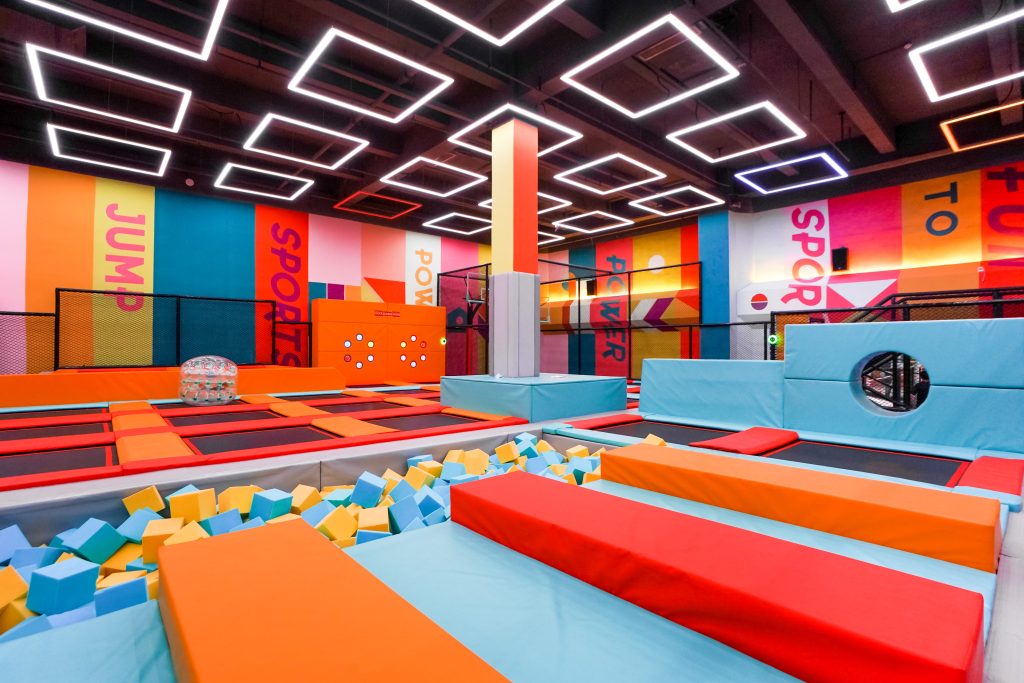
You can make your indoor playground special with creative themes. Many businesses pick designs, colors, and themes that match their brand. Themed places, like an underwater world or space station, help your playground stand out. Kids enjoy exploring these fun spaces. Themed playgrounds give families memories to share. This makes them want to come back again and again.
Popular theming choices include:
- Custom colors and shapes that show your brand
- Play zones with castles, jungles, or space adventures
- Modular parts that let you mix and match
A playground with strong theming becomes a main attraction. You give kids reasons to return and try new adventures each time.
Space Optimization
You want to use your indoor space wisely. Smart design lets you fit more equipment without crowding the area. Multi-level structures and different paths use vertical space well. Modular parts let you change the layout as your needs grow. This means you can update your playground for new trends or bigger age groups.
Key space-saving features:
- Multi-level playgrounds with slides, tunnels, and climbing walls
- Equipment you can rearrange for easy updates
- Clear paths for safety and accessibility
Tip: Use vertical design to add more play features. This saves floor space and keeps your playground fun and efficient.
Activity Diversity
You help kids grow and families have fun by offering many activities. Indoor playground equipment should have slides, climbing challenges, and interactive play pieces. These features help kids build physical, thinking, and social skills. You can create special zones, like ball pits or building areas, for different interests and abilities. Interactive technology, like augmented reality walls or sensory activities, adds something new to your playground.
A diverse playground includes:
- Separate areas for each age group
- Social play spaces for teamwork and talking
- Equipment for physical, thinking, and sensory play
Kids can play without stopping, no matter the weather. Families like clean, safe, and creative entertainment. You make a place where everyone feels welcome and excited.
Maintenance & Value
Cleaning & Upkeep
You keep your indoor playground safe by cleaning it often. Spot cleaning helps make the space nice for kids. Always have cleaning supplies ready for quick messes. Use special steps to clean up bodily fluids to keep everyone safe. Make a cleaning schedule that covers all areas during the day. Clean high-touch spots every hour when it is busy. Check and clean restrooms at least once an hour. Deep cleaning happens after the playground closes. Wipe plastic surfaces with disinfectant. Vacuum carpets and fabric parts. Wash and sanitize ball pits on a regular basis. Clean all floors in play and seating areas. Take care of air filters and treat soft things with germ-killing sprays. Clean high-touch places often to stop germs from spreading. Keep records of safety checks and cleaning to show you care about cleanliness.
Replacement Parts
Check your playground equipment often for any damage. Look for cracked plastic, torn nets, ripped foam, broken stairs, or missing bolts. Fix or replace anything that is broken or vandalized right away. Some things are easy to fix, but others need new parts. Keep track of repairs so you know when to replace equipment. Update your playground every 8-10 years to keep it safe and fun. Your playground can last longer if you take good care of it and follow a strong maintenance plan.
Tip: Check your playground often. Replace broken parts fast to keep your space safe and looking good.
Budget Considerations
Plan your budget for your indoor playground carefully. You need money for equipment, surfacing, installation, and upkeep. The table below shows what you might spend over five years:
| Cost Component | Estimated Range |
|---|---|
| Equipment Cost | $40,000 – $100,000+ |
| Surfacing Cost | $25,000 – $70,000+ |
| Installation & Freight | $15,000 – $30,000+ |
| Total Estimated Project Cost | $80,000 – $200,000+ |
| Ongoing Maintenance Costs | |
| Regular Inspections | Included in maintenance |
| Surfacing Top-Offs | Periodic replenishment |
| Cleaning and Repairs | Regular upkeep |
Pick high-quality playground equipment to protect your investment. Good design and a special area for watching kids help lower repair costs. You make a safe, clean, and fun place for families to enjoy.
Vendor Reputation & Support
Experience & Reviews
You should pick a vendor with a good reputation. A strong reputation means you can trust their equipment. This helps you feel sure about safety and quality. When you trust a vendor, you are happier in the long run. Vendors with good reviews usually help after you buy. They give warranties and help with repairs. These services keep your playground safe and working well for families.
You can use this table to compare vendors. It lists what businesses look for when checking experience and reviews:
| Criteria | Description |
|---|---|
| Safety standards | Compliance with certifications such as CE, ASTM, EN, ISO, TUV. |
| Design creativity | Ability to offer unique and customizable designs. |
| Product quality | Assurance of structural durability and overall product excellence. |
| Experience | Proven track record in commercial indoor playground projects. |
| Market reputation | Feedback and reviews from previous customers and industry standing. |
| Overall value | Assessment of cost-effectiveness for investors and operators. |
Read reviews and ask for references before you choose. This helps you learn how the vendor treats customers and fixes problems.
Installation Services
Pick a vendor who does full installation. This makes sure your playground is safe and ready to use. Standard installation covers:
- Commercial playground equipment installation
- Playground surfacing installation
- ADA-compliant playground installation
- School, park, church, and daycare playground installation
- Shade structure installation
- Site coordination and logistics
- Final safety inspections
Vendors plan service routes to avoid anchor or hanging issues. They use 3D tools to find problems before building. They also check airflow, electrical safety, and fire systems. These steps help your project finish on time and follow safety rules.
Installation can take 7–15 days for medium spaces. Large or complex projects may take 3–4 weeks. Vendors who include installation help you save time and money.
After-Sales Support
You need good support after your playground opens. Good vendors help with repairs and replacement parts. They answer questions and fix problems fast. This keeps your equipment safe and working well. Look for vendors with clear warranties and a helpful team. Fast support means less waiting and happier families.
Tip: Pick a vendor who supports their equipment and helps you after you buy. This keeps your playground safe and fun for kids.
You make a good choice for your family and business when you think about safety, age-appropriate features, and how long things last. Look for things that let all kids play and learn together. Pick brands that people trust and that have important certifications. Add things like multi-level structures, climbing activities, and interactive pieces. Make sure your budget gives you both quality and fun. A commercial indoor play structure helps families spend time together, helps kids grow, and makes everyone feel welcome.
Careful planning helps you avoid problems and keeps your family safe. You create a place where kids do well and families want to come back.
FAQ
What is the best way to keep a commercial indoor play structure clean?
Clean places that get touched a lot every day. Use cleaning products that are safe for kids. Make a plan for your staff to follow. This helps keep your family and all visitors healthy.
How do I choose the right play structure for my family business?
Think about how old the kids are in your area. Pick equipment that fits your space and your budget. Ask your family what themes or games they enjoy. This helps you make a place where all families feel welcome.
Why is safety important for my family and customers?
Safety keeps your family and visitors from getting hurt. Safe equipment means fewer accidents happen. Parents trust your business more when you care about everyone’s safety.
How can I make my indoor playground fun for every family?
Offer activities for kids of all ages. Add fun themes that families will like. Make sure everyone can move around easily. Ask families what they think to help make your playground better.
What support should I expect from a vendor for my family’s playground?
You should get help with setting up and fixing things. Good vendors answer your questions fast. They help your family keep the playground safe and fun for everyone.