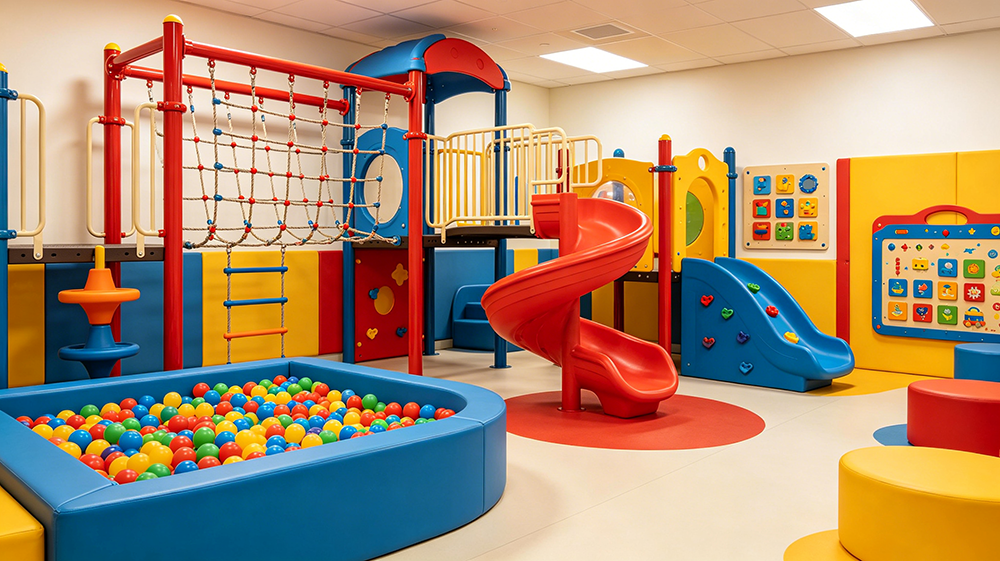
You should pick commercial indoor playground equipment that is safe and fun. Look for equipment that follows safety rules and uses strong materials. New designs focus on modularity, inclusivity, and sustainability. The market keeps getting bigger. It will be worth about USD 7.3 billion in 2026. It grows by 6% every year. Always choose equipment that fits your customers, business size, and space.
- The global market value will be USD 7.3 billion in 2026.
- The growth rate is 6% each year until 2035.
| Trend | Description |
|---|---|
| Modularity | Equipment lets you add more as your business grows. |
| Inclusivity | Equipment helps families with different needs, including disabilities. |
| Interactivity | Equipment gives fun play that makes kids join in. |
| Sustainability | Equipment uses eco-friendly materials and good design. |
| Safety Standards | Equipment follows safety rules to keep guests safe. |
Key Takeaways
- Pick equipment that follows safety rules. This keeps kids safe and helps families trust you.
- Check your space size. Make sure the playground fits well and has safe places to play.
- Get equipment for different ages. This makes all kids have fun and stay happy.
- Use strong materials and fix things often. This keeps the playground safe and lasting a long time.
- Add themes and fun features to your playground. This brings more families and makes visits special.
Assessing Space & Audience Needs
Measuring Space for Indoor Playground Equipment
First, measure your space before picking equipment. This helps you avoid design mistakes and keeps things safe. Most equipment needs at least a 6-foot use zone. Some bigger structures need even more space. Check the ceiling height. Small playgrounds need 10–12 feet. Large ones need 20–30 feet. Look at walls that hold weight and make sure there is good air flow. Set aside space for play areas, bathrooms, and walkways. Think about accessibility and rules you must follow. The materials used can change how much space you need for safety.
Tip: Do not pick a space that is too big. Watch out for high costs. Do not buy cheap equipment if it is low quality. Keep marketing your business so people know about it.
- Decide who will use your playground and pick the right equipment for their age.
- Check your space and plan for different areas.
- Remember to look at the building’s structure and ceiling height.
Understanding Age Groups & User Volume
You need to know the age group you want to serve. This helps you make a safe and fun place. Most playgrounds are for three groups: 0–3 years, 4–7 years, and 8+ years. For toddlers, use soft play, small slides, foam climbers, tunnels, and sensory panels. Give all age groups something to do so no one feels left out.
To figure out how many people can play, try these ways:
| Method | Description | Calculation Example |
|---|---|---|
| Maximum Occupancy | The safe number of people in the park at once | Total Park Size (sqm) ÷ 4 = Max Capacity |
| Daily Throughput | How many tickets you sell in a day | Capacity x Weekend Multiplier |
Look at family data, busy seasons, what other parks offer, prices, and what people want but cannot find. This helps you know your customers and pick the best equipment for them.
Prioritizing Safety & Quality
Choosing Safe Materials & Padding
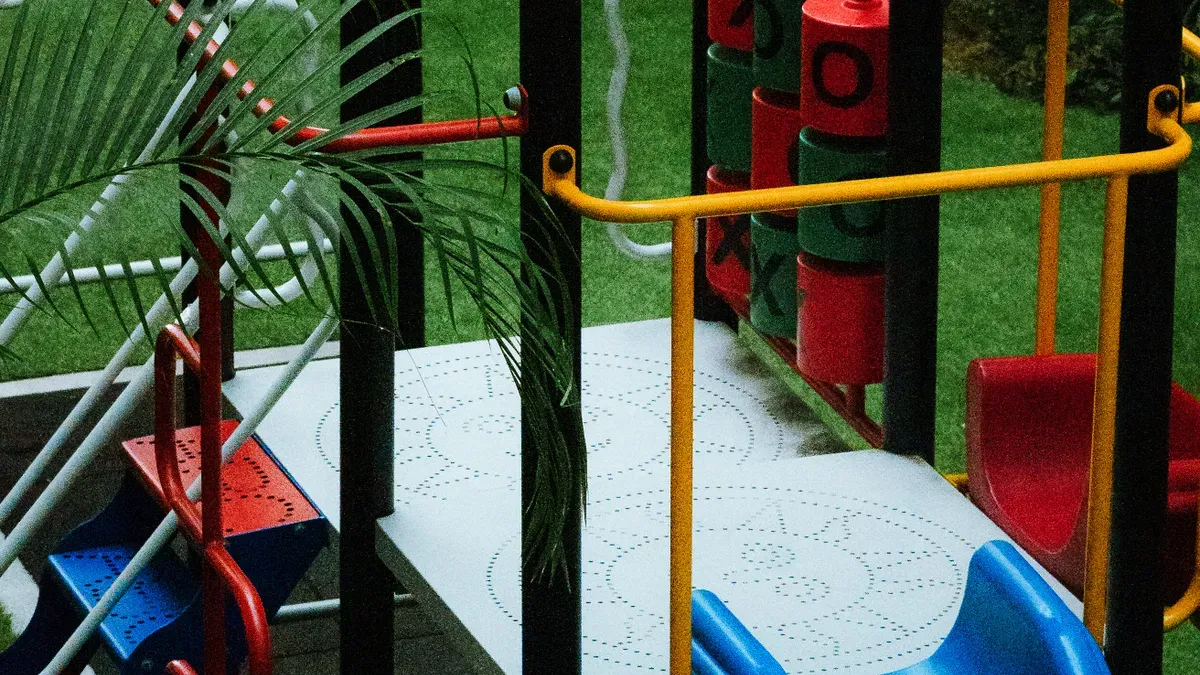
Safety is the most important thing in an indoor playground. You need to check the materials and padding before you buy equipment. Good materials make the equipment last longer and keep kids safe. You can pick wood, metal, or plastic. Each one has good and bad points.
| Material | Advantages | Disadvantages |
|---|---|---|
| Wood | Looks nice, does not rot if treated, good for the planet | Needs care, can splinter, might bend |
| Metal | Strong, lasts long, hard to break | Gets hot in sun, can rust if not cared for |
| Plastic | No splinters, light, can be used in many ways | Not very strong, can break down in sunlight |
You should put padding and soft floors in all play areas. For toddlers, use 20mm EVA foam tiles. For bigger play sets, use 40mm or 50mm rubber mats. This helps protect kids if they fall. You must check what kind of floor each equipment needs. Tall play sets need thicker rubber tiles. You also need to stop kids from getting stuck. Make sure holes are smaller than 89mm or bigger than 230mm. Cover all bolts so kids do not hurt their fingers or arms.
Tip: Walk around your playground every day. Look for broken things or loose padding. Fix problems fast to keep everyone safe.
Meeting Safety Standards & Certifications
You must follow safety rules when you buy indoor playground equipment. These rules keep kids safe and help you stay out of trouble. The most important rules for 2026 are in the table below:
| Standard | Official scope | Why it matters to buyers |
|---|---|---|
| ASTM F1918-21 | Soft contained play equipment | Good for many indoor play structures |
| ASTM F1487-25 | Playground equipment for public use | Needed for public playground safety |
| CPSC guidance | U.S. voluntary-standard and safety context | Helps buyers know U.S. safety rules |
You need to check if your equipment meets these rules. Ask the seller for certificates and test papers. You should also check if the equipment stops head, finger, and arm traps. Look for tags that show the equipment is safe.
To keep your playground safe, you must check and clean it often. Here are some steps you can follow:
- Make a cleaning plan for all areas.
- Check equipment every day and every week.
- Write down when you clean and check things.
These steps help you find problems early and show you care about safety. You keep your business and your customers safe when you follow the rules and keep good records.
Note: Safety first means you must check your playground a lot. Fix problems fast and keep everything clean.
You make your playground safer when you pick good materials, use the right padding, and follow all the rules. Families will trust you more and know you care about safety.
Engaging and Versatile Features
Activity Variety for Safe and Exciting Play
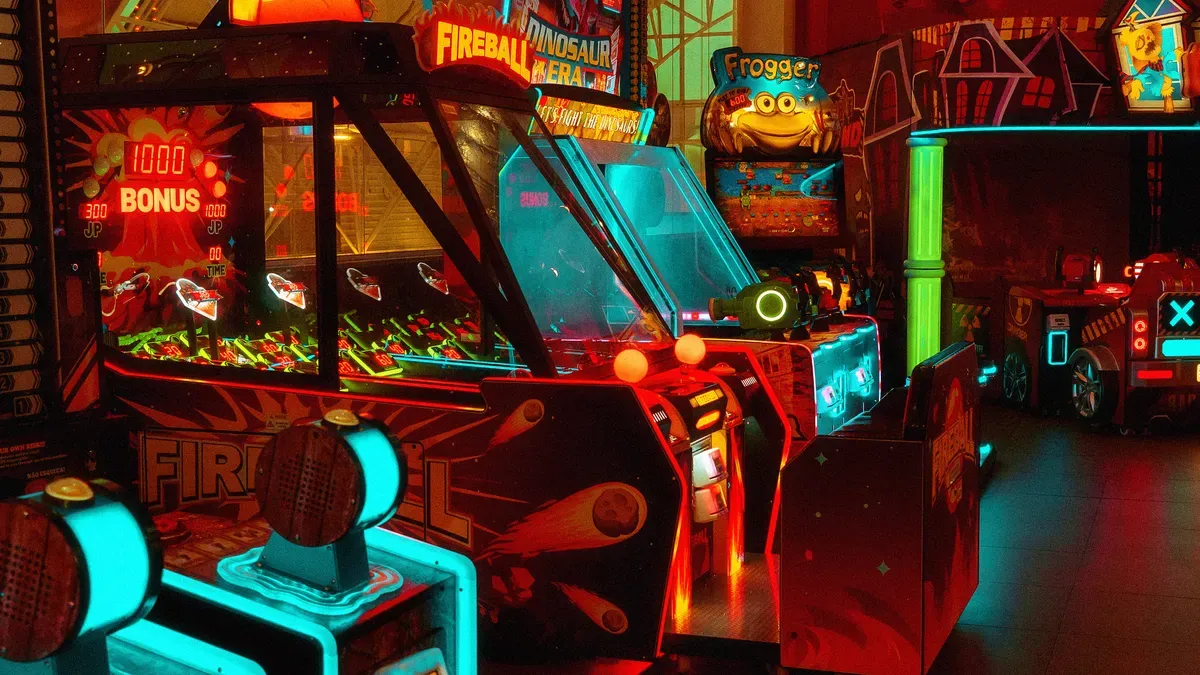
You need many activities to bring in families. Kids like playgrounds with lots of things to do. Pick equipment that is fun for all ages. Good playgrounds give each child something special. They help kids play safe and have fun. The table below shows which features are best for each age group:
| Feature | Description |
|---|---|
| Multi-level structures | Give children different paths and new ways to explore. |
| Diverse sliding options | Let kids pick from straight, spiral, tube, or wave slides. |
| Climbing challenges | Offer age-appropriate challenges that build strength and confidence. |
| Interactive elements | Make play fun with activities that respond to touch or movement. |
| Social play spaces | Help children learn to share and talk with others. |
| Specialty zones | Add ball pits or building areas for a unique experience. |
| Sensory integration features | Use tactile walls and lights to support learning and development. |
| STEM-based activities | Teach science and math through hands-on play. |
Add interactive elements and special zones to your playground. These help kids learn, move, and play together. When you have many activities, families want to visit again.
Customization & Theming Options
Customization and theming make your playground stand out. You can pick colors, themes, and digital features for your brand. The table below shows what is popular for 2026:
| Trend | Description |
|---|---|
| Immersive Theming | Turn your playground into a place families remember and share online. |
| Interactive Technology | Add games and digital features that track how children play. |
| Inclusive & Multi-Generational Play | Make sure everyone can join, no matter their age or ability. |
Themed playgrounds help families remember your business. Parents like to take pictures in bright, fun places. This helps more people see your playground online. When you offer something special, families come back.
Note: Customizing your playground can be hard. You must follow safety rules and pick designs for the right ages. Plan to fix and clean your playground often.
Choosing the right features and themes builds a strong brand. This makes your playground a favorite spot for families.
Budget, Installation & Maintenance
Balancing Cost and Quality
You should make a budget before you buy commercial indoor playground equipment. The indoor playground price list changes with the size and type of your place. A small soft play area costs between $8,000 and $30,000. A big family entertainment center can cost $150,000 to $500,000 or more. The table below shows prices for 2026:
| Venue Type | Play Area Size | Equipment Cost (USD) |
|---|---|---|
| Small soft play / play cafe corner | 300–800 sq ft | $8,000–$30,000 |
| Mid-size play cafe | 800–1,500 sq ft | $30,000–$70,000 |
| Standalone indoor playground | 1,500–3,000 sq ft | $60,000–$150,000 |
| Large family entertainment center | 3,000+ sq ft | $150,000–$500,000+ |
| Role play area (pretend city) | 500–1,200 sq ft | $20,000–$80,000 |
You can use the indoor playground price list to look at choices. Some businesses lease equipment instead of buying it. Leasing lets you change things and helps with money. Buying gives you more control and is good for the long run. Indoor playground equipment lasts about 8 to 15 years. If you own it, it counts as a business asset and you might sell it later.
Tip: Pick quality and safety instead of just a low price. Strong equipment lasts longer and keeps kids safer.
Installation Services & Ongoing Maintenance
Professional installation helps keep your playground safe and working well. Certified teams know how to set up your equipment the right way. You get designs that fit your brand and space. Good materials and building make things safer and stronger. A project manager watches over everything to make sure it goes smoothly.
Regular updates and maintenance keep your playground in good shape. Make a schedule for maintenance that works with your hours. Teach your staff to check equipment every day and look for problems. Have a pro check your playground once a year. Clean and sanitize places people touch a lot. Keep extra parts ready so you can fix things fast.
Recommended Maintenance Steps:
- Make a maintenance schedule.
- Check equipment every day.
- Fix safety problems right away.
- Clean and sanitize surfaces.
- Check the floor and anchors.
- Oil moving parts.
- Write down all maintenance work.
When you do these steps, you protect your playground and keep kids safe. Taking care of your playground helps it last longer and makes families trust you.
Picking the best commercial indoor playground equipment takes a few steps. First, you should measure your space. Next, think about who will use the playground. Then, choose features that are safe and high-quality. Always look for safety certifications. Buy from trusted suppliers who can prove their equipment is safe. Certified indoor playground equipment saves you money over time. It also helps families trust your business.
Remember: When your playground is safe and fun, families want to visit again. This helps your business get bigger.
- Think about what you want and make customers happy.
- Talk to good suppliers if you need special equipment.
FAQ
What is the best way to clean indoor playground equipment?
Use mild soap and water to clean. Wipe all surfaces every day. Do not use strong chemicals. Look for sticky spots and clean them well. Sanitize places that get touched a lot. Clean ball pits and mats many times each week. Write down when your staff cleans.
How often should you inspect playground equipment for safety?
Check the equipment every single day. Look for loose bolts or broken pieces. See if any padding is worn out. Have a professional check everything once a year. Write down each inspection to keep track of safety.
Can you customize playground equipment for your business?
Yes, you can pick colors and themes you like. You can add special features too. Many suppliers let you design your own playground. Custom designs help your business get noticed. More families will want to visit.
What age groups can use indoor playground equipment?
Most equipment is good for toddlers and older kids. Always check the age rules for each piece. Pick features that fit the ages you want to serve.
How long does playground equipment last?
Good equipment lasts from 8 to 15 years. Taking care of it helps it last longer. Change broken parts right away. This keeps your playground safe and nice for visitors.