
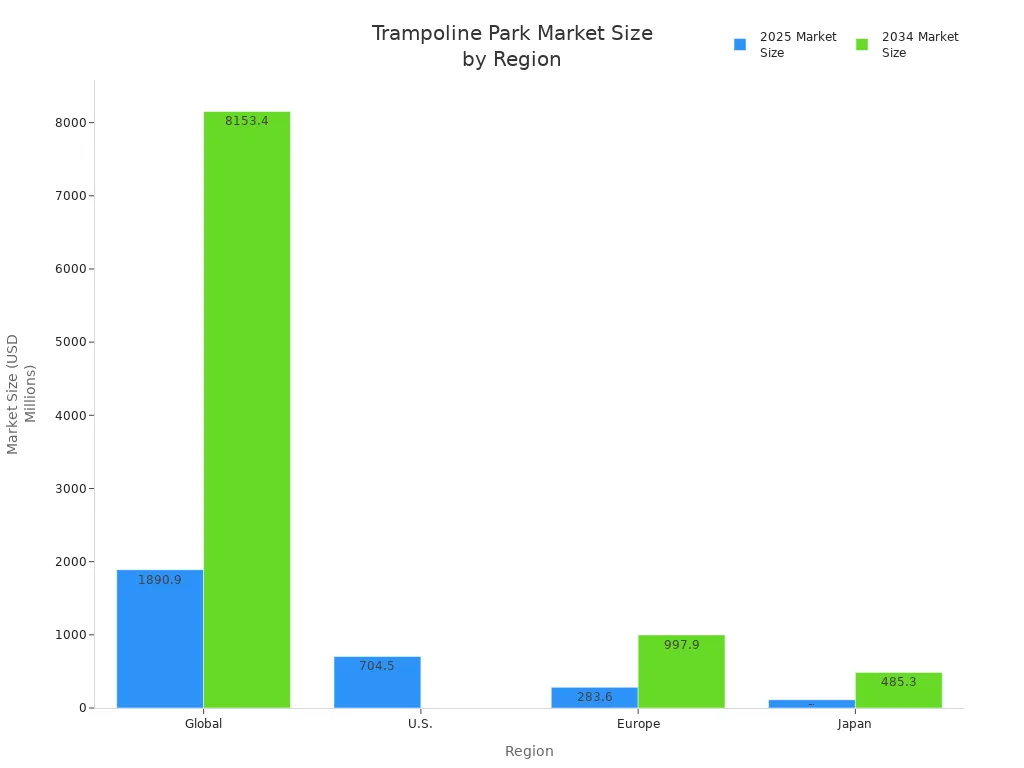
Thinking about opening a trampoline park? First, ask yourself if this business fits your goals, resources, and passion for active fun. Take a moment to check if you have the drive, time, and support needed. The trampoline park industry is growing fast. Check out the numbers below:
| Region | 2025 Market Size (USD) | 2034 Market Size (USD) | CAGR (%) |
|---|---|---|---|
| Global | 1,890.9 million | 8,153.4 million | 17.6 |
| U.S. | 704.5 million | N/A | 16.5 |
| Europe | 283.6 million | 997.9 million | 15.0 |
| Japan | 113.5 million | 485.3 million | 17.3 |
You can see big opportunities, but there are real risks, too:
- About 45% of new businesses close within five years.
- Only 5% of franchises with higher investments fail in that time.
If you want to know how to start a trampoline business, you need to weigh both the excitement and the challenge. Are you ready to jump in?
Key Takeaways
- Think about your goals before you open a trampoline park. Make sure you like active fun and know it takes hard work.
- Do good market research to find your main customers. Make your attractions and programs fit families, teens, and adults.
- Write a strong business plan that shows startup costs and money needs. Add financial predictions. This plan helps get investors and keeps your business on track.
- Pick the best place for your park. Find spots with lots of people, easy to reach, and close to schools. This will help bring in more guests.
- Put safety first and follow the rules. Check equipment often, train your staff, and use safety standards. This helps guests trust your park.
Is a Trampoline Park Business Right for You?
Assess Your Goals and Motivation
Before you open a trampoline park, think about your goals. Do you want to make a place where families can have fun and be active? Many owners used to work in hospitality or entertainment. Robert Morris worked for over twenty years with family entertainment brands. His background helped him sell more and run his business well. You do not need to be famous, but you should be a good leader and have a clear plan for your park.
Here are things most successful owners share:
| Characteristic | Description |
|---|---|
| Financial Background | Owners usually have at least $1,000,000 in liquid assets and a net worth over $2,000,000. |
| Community Connections | They build relationships in their local area. |
| Leadership Skills | They motivate teams and deliver great customer service. |
| Business Acumen | They oversee operations and plan for growth. |
Many owners also worked in hospitality and entertainment before. Being a good leader helps you guide your team and keep guests happy.
Industry Overview and Trends
The trampoline park industry is always changing. Parks now have more than just trampolines. You might see ninja courses, climbing walls, or even VR attractions. People want fun experiences that mix sports with cool effects.
| Trend/Model | Description |
|---|---|
| Events and Parties | Parks host birthdays and events, offering custom packages. |
| Ancillary Revenue | Arcade games and photo booths boost profits. |
| Technology Integration | LED floors and VR make parks more exciting. |
| Wellness Programming | Fitness classes and workshops attract health-focused guests. |
If you want your park to stand out, add new attractions and use technology.
Resources and Risk Evaluation
You need to know the risks before you start. People can get hurt, so you must follow safety rules and watch your guests. Equipment breaks down fast, so fix things often. Finding good workers is hard, but training and fair pay help. There is a lot of competition, so make friends in your community and offer special things.
- Safety and injury liability
- Equipment maintenance
- Staffing challenges
- Market competition
Smart owners train their teams, buy strong equipment, and make customers want to come back. If you plan well, you can handle these problems and make your park a success.
Market Research for Trampoline Parks
Identify Your Target Audience
You want your trampoline park to stay busy all year. Start with market research to find out who will visit your park. Most visitors are kids, but you will see teens and adults too. Families come for birthday parties and safe play. Teens love social events and competitions. Adults join fitness classes or bring their coworkers for team-building. Check out this table to see who visits most:
| Demographic Group | Percentage of Visitors | Key Characteristics |
|---|---|---|
| Children | 48% | Family outings, birthday parties, safety-focused |
| Teenagers | Second largest | Thrill-seeking, social activities, competitive events |
| Adults | Growing segment | Fitness classes, corporate events, health-conscious |
Market research helps you design attractions and programs for each group. You might add foam pits for kids, dodgeball for teens, and fitness zones for adults.
Analyze Local Competition
Next, use market research to look at other parks in your area. Visit their websites and read reviews. What do they offer? How much do they charge? You can make a list of their strengths and weaknesses. Maybe they have long wait times or old equipment. You can stand out by offering better service or new attractions. Talk to families in your community. Ask what they want in a trampoline park. This step in market research gives you ideas to make your park unique.
Tip: Take notes during your visits. Small details can help you improve your own park.
Evaluate Demand and Trends
Market research also shows where trampoline parks are growing fastest. Suburban areas now see 80% of new parks, with a huge growth rate of 246% from 2019 to 2026. Urban parks grow too, but suburbs lead the way. Look for neighborhoods with lots of families and schools. Trends show people want more than just trampolines. They want ninja courses, climbing walls, and party rooms. Stay updated on what’s popular, and your park will attract more guests.
By using market research, you can plan a trampoline park that fits your community and stands out from the rest.
How to Start a Trampoline Business: Planning
So, you want to know how to start a trampoline business? Planning is where your dream starts to take shape. This is the stage where you figure out what your park will look like, how much money you need, and how you will reach your goals. Let’s break it down step by step.
Business Model and Structure
When you think about how to start a trampoline business, you need to pick a business model. This choice will shape everything from your daily operations to your long-term growth. Most trampoline parks use one of two models: franchise or independent ownership.
- Franchise Model
- You get a proven system and a well-known brand.
- The company helps you set up your park and trains your team.
- You get expert advice on marketing and management.
- Many people trust franchises, so you attract customers faster.
- The risk of failure is lower because you follow a tested plan.
- Independent Ownership
- You make all the decisions yourself.
- You do not pay franchise fees or follow strict rules.
- You can create a unique park that matches your vision.
- You choose your own attractions, prices, and marketing style.
Think about your strengths and what you want from your business. If you like freedom and creativity, independent ownership might fit you. If you want support and a ready-made plan, a franchise could be the way to go.
No matter which model you choose, you need to decide on your legal structure. Many owners pick an LLC or a corporation to protect their personal assets. Talk to a lawyer or accountant to find the best fit for your situation.
Financial Planning and Startup Costs
Money is a big part of how to start a trampoline business. You need to know how much you will spend before you open your doors. Most trampoline parks need at least $500,000 to get started. Some parks cost even more, depending on size, location, and attractions.
Here are some common startup costs:
- Lease or buy a building
- Renovate and design the space
- Buy trampolines and other equipment
- Install safety features and padding
- Get insurance and permits
- Hire and train staff
- Set up marketing and a website
You should create a business plan that lists all your costs. This plan helps you see where your money goes and how much you need to raise. A good business plan also shows banks or investors that you are serious.
Next, make a cash flow statement. This is a chart that shows how much money comes in and goes out each month. It helps you spot problems before they get big. You also need a break-even analysis. This tells you how long it will take to cover your costs and start making a profit.
Here’s a quick look at break-even timelines for trampoline parks:
| Break-even Timeline | Description |
|---|---|
| 10 to 18 months | Parks with strong bookings and lots of members can break even this fast. |
| 12 to 24 months | Most parks reach break-even in this time frame. |
You want to plan for at least a year or two before you see steady profits. Make sure you have enough money to cover your costs during this time.
Tip: Always add a little extra to your budget for surprises. Repairs, slow months, or new rules can pop up when you least expect them.
Setting Goals and Milestones
Setting clear goals is a key part of how to start a trampoline business. Goals keep you focused and help you measure your progress. Start by writing down what you want to achieve in your first year. Maybe you want to reach a certain number of visitors, host a set number of birthday parties, or earn a specific amount of revenue.
Break your big goals into smaller milestones. For example:
- Finish your business plan by next month
- Secure funding within three months
- Sign a lease by the end of the quarter
- Complete construction in six months
- Hire and train your team before opening day
Check your progress often. If you fall behind, adjust your plan. Celebrate when you hit your milestones. This keeps you and your team motivated.
A strong business plan is your roadmap. It guides you through each step and helps you avoid mistakes. When you know how to start a trampoline business, you can turn your ideas into a real, thriving park.
Note: Your business plan is not just for banks or investors. It helps you stay on track and make smart choices as you grow.
If you take the time to plan well, you set yourself up for success. You will know how to start a trampoline business with confidence and avoid common pitfalls. Remember, every great park starts with a solid plan!
Designing and Equipping Your Park
Choosing Attractions and Layout
You want your trampoline park to be fun for everyone. Pick attractions that people enjoy and help your business grow. Some popular features are:
- High-flying trampolines for big jumps
- Ninja obstacle courses for adventure seekers
- Interactive obstacle courses for kids and adults
- Basketball hoops over trampolines for slam dunks
- Soft play areas for toddlers only
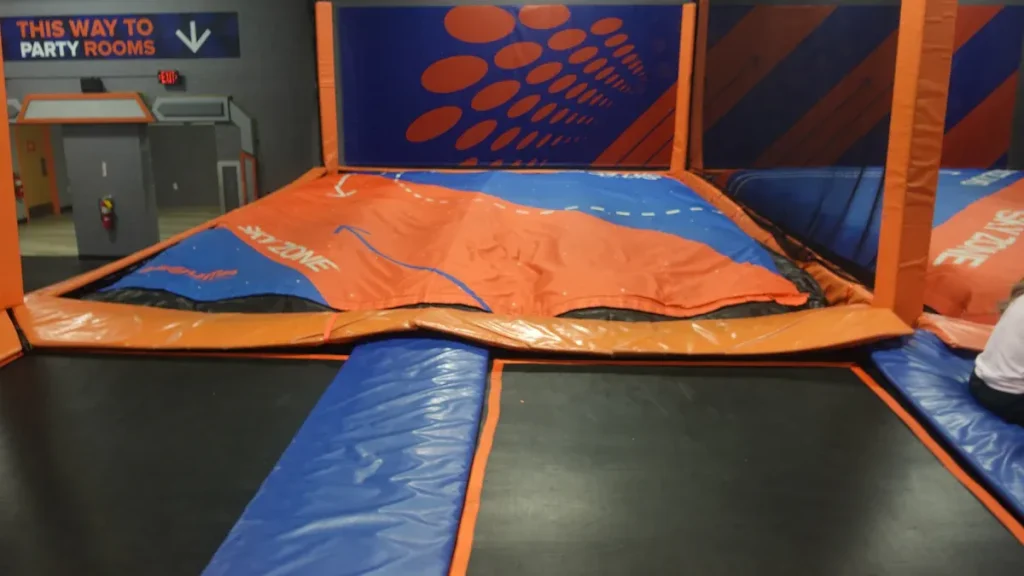
- Airbags for safe flips and tricks
- Freestanding inflatables like giant slides and bouncy castles
Think about how families move around your park. Put toddler zones near the entrance so parents can see their kids. Place ninja courses and basketball hoops in the middle to get attention. Make sure there is enough space for everyone to play safely.
Selecting Equipment Suppliers like Liben Play
Picking the right equipment supplier is important. You want a partner who cares about safety, quality, and your ideas. Liben Play is known for new designs and custom options. They have a good reputation all over the world. Look for these things in a supplier:
| Criteria | Details |
|---|---|
| Safety Standards | Meets or goes beyond EN ISO 23659:2022, ASTM F1487-11, and other safety standards |
| Certifications | Has ISO 9001 and ISO 14001 management system certificates |
| Customization | Offers designs made just for your park |
| Reliability | Customers trust them for fast delivery and good service |
Many owners say Liben Play is easy to work with. They deliver on time and their products are high quality.
Safety and Accessibility Standards
Safety is the most important thing in a trampoline park. You must follow strict international rules to keep guests safe. Some important codes are PAS 5000, ASTM 2970-13, EN 913, EN 13219, and EN 1176-1. These rules cover equipment design and daily checks.
Your staff needs to know the rules and teach guests how to use the equipment. Each team member should watch only a few visitors at a time. This keeps everyone safe and happy.
Tip: Always check your equipment for the right certifications. This helps families trust your park and keeps things running well.
Choosing a Location for Your Trampoline Park
Site Selection Criteria
Picking the right spot for your trampoline park can make or break your business. You want a place where people can find you easily and visit often. Here are some things you should look for:
- Population density: More people nearby means more potential guests.
- Accessibility: Good roads and public transport help families reach your park.
- Proximity to schools: Kids and teens are your main visitors, so being close to schools is a big plus.
- Shops and malls: If you’re near shopping centers, you’ll get more walk-in traffic.
- Restaurants: Families love having food options nearby.
- Parking space: Make sure there’s enough parking for everyone.
- Building purpose: The space must allow for amusement use and meet permit rules.
- Size: The building needs to fit all your attractions and guests.
Tip: Walk around the area at different times of day. Notice how busy it gets and who hangs out nearby.
Lease Negotiation and Zoning
Before you sign anything, check the zoning laws. Cities have rules about where you can open a trampoline park. You’ll need permits and a business license. Zoning makes sure your park fits in with the neighborhood. Lease costs can range from $10,000 to $30,000 each month, depending on the size and location. Always read the lease carefully. Ask about things like repairs, rent increases, and how long you can stay.
Note: Work with a lawyer or real estate agent who knows local rules. They can help you avoid surprises.
Space Requirements and Layout
You need enough room for everyone to jump, play, and relax. Most successful parks have at least 18,000 square feet. Here’s how you might split up the space:
| Area Type | Percentage of Total Space | Purpose |
|---|---|---|
| Jump Area | 50–60% | Main trampoline activities |
| Activity Zone | 20–30% | Ninja courses, games, extras |
| Supporting Area | 15–25% | Lounge, food, restrooms |
| Safety Zone | 5–10% | Emergency exits, walkways |
Plan your layout so guests can move safely and easily. Keep food and lounge areas away from the main jump zones. Make sure emergency exits are clear and easy to find.
Legal and Regulatory Steps
Business Registration and Permits
You have to register your business before opening. First, check the rules in your city or town. You need a business license to start. Some cities want extra permits for amusement parks. Safety certifications are also needed. If you skip these steps, you could get in trouble or face delays.
Before you open, make sure you follow all local rules. This means getting business licenses, safety certificates, and insurance. If you miss any, you might have to wait or deal with legal problems.
Go to your city office and ask what forms you need. Follow every rule so you do not have problems later.
Insurance and Liability
Insurance helps protect you and your park. Accidents can happen, so you need good coverage. Here are the main types of insurance you should get:
| Insurance Type | Description |
|---|---|
| Commercial General Liability | Pays for injuries or damage to others. |
| Property Coverage | Protects your building and things inside from storms, theft, or vandalism. |
| Premises Liability | Covers slips, trips, or falls on your property. |
| Workers’ Compensation Insurance | Pays for workers hurt on the job. |
| Commercial Umbrella Liability Insurance | Gives extra coverage if a lawsuit costs a lot. |
You can also get more coverage if you want:
- Active Shooter Liability
- Professional Liability
- Special Events Liability
Talk to an insurance agent who knows trampoline parks. They will help you choose the right plan.
Health and Safety Compliance
Safety is very important for your guests and business. You must follow strict rules to keep everyone safe. Problems can happen if you skip safety checks or use broken equipment. Staff who do not know the rules can also cause trouble. You can fix these problems by:
- Checking equipment every day
- Training your staff well
- Following safety standards like ASTM F2970
Make a routine for checking all your gear. Teach your team how to find problems. Always use certified equipment. When you do these things, families will trust your park and feel safe.
Building Your Team and Operations
Hiring and Training Staff
Your team makes the park fun and safe. First, tell each person what their job is. Make sure everyone knows what you want them to do. When you hire, pick people who like working with kids and families. Being friendly is just as important as having experience.
- Tell everyone their job from the start.
- Teach staff how to act every day and what to do in emergencies.
- Make work both fun and serious.
Training should teach safety, helping guests, and what to do if something goes wrong. If people quit a lot, it wastes time and money. Keep your team happy by saying thank you and helping them when needed. A good team spirit keeps everyone working hard, even when it gets busy.
Operational Procedures
You want your park to be safe and run well. Make easy steps for your staff to follow. Here are some things you should do: 1. Check all equipment before opening to make sure it is safe. 2. Tell guests the rules and safety tips when they come in. 3. Watch the trampolines and play areas to keep everyone safe.
| Procedure Type | Description |
|---|---|
| Safety Rules | Put rules where everyone can see them, like at the entrance and play zones. |
| Staff Training | Show your team how to help guests and step in if needed. |
| Incident Tracking | Write down any injuries or problems to find risks and fix them. |
| Maintenance Practices | Look at trampolines and gear often to check for damage. |
| Customer Service Protocols | Make sure guests know the rules and safety at check-in. |
Write down all repairs and fixes. Fix problems right away. Have outside experts check your park and staff sometimes. These steps help keep your park safe and running well.
Customer Service Essentials
Good service makes people want to come back. Use digital waivers so check-in is quick. Let guests make accounts online to book visits themselves. Self-service kiosks help guests check in and buy extras faster. Mobile ordering lets guests buy snacks and drinks easily and can help you earn more.
- Digital waivers make check-in quick and simple.
- Online accounts let guests book visits on their own.
- Self-service kiosks help guests skip lines and buy more.
- Mobile ordering makes visits easier and helps sales.
- Automated feedback helps you get better.
Ask parents to join the fun with their kids. Offer times for all ages to play. Remind guests to book another visit before they leave. These small things can turn new guests into regular fans.
Opening a Trampoline Park: Marketing and Launch

Branding and Online Presence
You want people to notice your park right away. Pick a fun name and a bright logo. Make a website where families can buy tickets and see what you offer. The website is like your park’s front door online. Use social media to reach families and teens. Post pictures and videos on Facebook and Instagram to show off your park. Use search engine tricks so people find your park when they look for fun places. Try pay-per-click ads to get people’s attention fast. Send emails to tell guests about new deals and events. Always answer reviews and messages. People trust parks that talk back.
| Strategy | Purpose |
|---|---|
| Website Design | Gives info and lets people book tickets. |
| Social Media Marketing | Shares news and events on Facebook and Instagram. |
| Search Engine Optimization | Helps your park show up in search results. |
| Pay-Per-Click Advertising | Brings in visitors with online ads. |
| Local SEO | Makes your park easy to find on maps and local searches. |
| Email Marketing | Reminds guests about deals and events. |
| Reputation Management | Builds trust by replying to reviews. |
| Video Marketing | Shows off your park to get more visitors. |
Launch Promotions and Community Engagement
You want people excited when your park opens. Throw a big opening party with free jumps or prizes. Invite schools, sports teams, and local groups. Give special deals for the first week, like buy one ticket and get one free. Work with nearby stores to share deals. Pass out flyers at malls and parks. Use social media to run contests and share guest photos. Ask the local news to talk about your opening. When you work with your community, people will tell their friends about your park.
Tip: Ask your first guests to tag your park online. Their posts can reach lots of people!
Gathering Feedback and Improving
After your park opens, listen to your guests. Happy families come back and tell others. Teach your staff to be friendly and answer questions. Make a rest area for parents so they feel welcome. Keep your park clean and safe for everyone. Offer fun things for all ages. Answer feedback fast, whether it is good or bad. Use surveys, suggestion boxes, or online reviews to learn what guests like or want changed.
- Teach staff to be helpful and kind.
- Answer feedback quickly.
- Add new things to keep guests interested.
- Keep the park clean and safe.
- Make rules easy to understand.
Stay in touch with guests after they visit. Send thank-you emails or coupons for their next visit. When you show you care, people remember your park and want to come back. Opening your park is just the beginning—growing it means always listening and making things better.
Scaling Your Trampoline Park Business
Expanding Services and Attractions
If you want your trampoline park to get bigger, you need more than just trampolines. Many parks add new things so guests want to come back again. You can have birthday parties, group events, or even company meetings. These events help you make more money because people buy special packages.
Here’s a quick look at what works well:
| Additional Services/Attractions | Description |
|---|---|
| Events and Parties | Host birthdays and group events for extra revenue. |
| Arcade Games | Add arcade zones to increase time and spending. |
| Multi-Attraction Parks | Offer climbing walls, VR stations, or ninja courses to attract more guests. |
You can also rent out equipment or sell snacks and drinks. When you give guests more ways to have fun, they stay longer and spend more money. Parks with lots of attractions can charge higher prices and keep families coming back for new things to do.
Multi-location Growth Strategies
After your first park is running well, you might want to open more parks. First, look at what made your first park great. Use what you learned to pick new places with lots of families and schools close by. Keep your brand and service the same at each park so guests know what to expect.
Many owners work with trusted suppliers like Liben Play to help design and build new parks. Liben Play has helped people in places like New Zealand and Israel make parks that fit their towns. Their experience helps you grow without losing quality or safety.
Tip: Visit other parks that do well and see what works in different cities. Every place is different, so change your attractions and services to match what people like there.
Leveraging Customer Success Stories
Sharing real stories from happy guests can help your business grow. When families have fun, ask them to write reviews or post photos online. You can also show off big events or cool attractions on your website and social media.
Liben Play’s case studies show how custom parks help people in the community come back again and again. For example, their indoor adventure park in New Zealand became a favorite place for families. These stories build trust and show new guests why your park is special.
Celebrate your wins and let your guests share their stories. Their words can inspire others to visit and help your business grow even more.
You now know the key steps to start and grow a trampoline park. Plan each move, choose safe and creative equipment, and always put your guests first. If you dream of building a place where families laugh and play, take action today. You can create a space that brings your community together. Trusted partners like Liben Play are ready to help you every step of the way. 🚀
FAQ
What is the first step to start a trampoline park business?
First, check your local area. See if families want a trampoline park business nearby. Look at other parks close to you. Write your goals down. Decide if you have enough money to start.
How much money do I need for a trampoline park business?
You will need at least $500,000 to open a trampoline park business. This pays for rent, equipment, insurance, and staff. Plan for extra costs too. Make a budget before you begin your trampoline park business.
What safety rules should I follow for a trampoline park business?
You must use strict safety standards for your trampoline park business. Check your equipment every day. Train your staff to watch guests. Use certified trampolines and padding. Safety helps your trampoline park business run well and builds trust.
How do I attract customers to my trampoline park business?
Make a fun website for your trampoline park business. Show your park on social media. Offer deals for birthdays and groups. Invite schools and local clubs. Ask guests to share their visits at your trampoline park business.
Can I grow my trampoline park business to more locations?
Yes, you can open more trampoline park business locations. Start with one park first. Learn what works best. Use your experience to open parks in new cities. Work with trusted suppliers to keep your trampoline park business safe and fun.
Tip: Always listen to what guests say. Making your trampoline park business better helps you grow faster.
| Question | Answer Summary |
|---|---|
| First step to start | Check area, set goals, see if families want it |
| Money needed | At least $500,000 plus extra costs |
| Safety rules | Use standards, train staff, check equipment |
| Attracting customers | Website, social media, deals, community events |
| Growing to more locations | Start small, learn, expand with trusted partners |