The indoor entertainment industry continues to expand in 2026. Families are looking for active experiences instead of passive screen time. Investors are searching for attractions that generate repeat visits and multiple revenue streams. Trampoline parks remain one of the most profitable segments within family entertainment centers (FECs). Recent market developments show continued investment in new trampoline facilities across North America and Europe, with projects ranging from 28,000 to over 50,000 square feet.
Many investors face the same challenge. Standard trampoline parks often look similar. Competition is increasing. Visitors expect more attractions, stronger themes, and interactive experiences. This is why customized indoor trampoline park equipment has become a major trend in 2026. Customized solutions help operators create unique destinations that attract more visitors and improve long-term profitability.
Summary: Customized indoor trampoline park equipment helps investors build unique entertainment venues, improve visitor retention, and increase revenue potential.
What Is Customized Indoor Trampoline Park Equipment?
Customized indoor trampoline park equipment refers to a complete trampoline park solution designed according to a specific venue, target audience, budget, and business model.
Unlike standard layouts, customized systems are created around:
- Building dimensions
- Ceiling height
- Customer demographics
- Local market demand
- Brand identity
- Revenue objectives
Modern customized trampoline parks often include much more than jumping zones. They combine physical activity, social interaction, and immersive entertainment.
Typical components include:
- Free jumping areas
- Foam pits
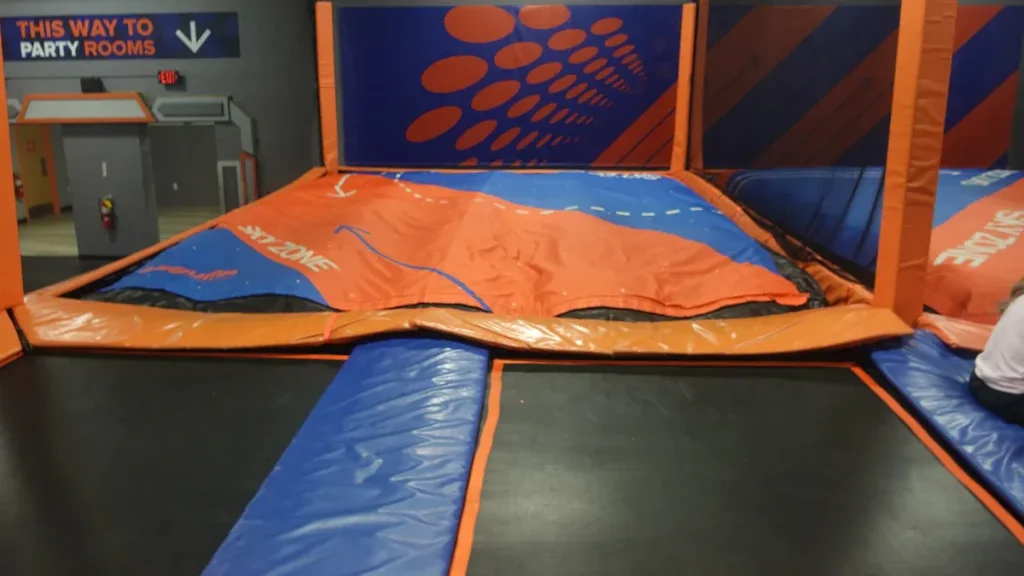
- Airbag landing systems
- Dodgeball courts
- Basketball dunk zones
- Ninja warrior courses
- Climbing walls
- Interactive digital games
- Soft play zones
- Toddler areas
Leading manufacturers also provide turnkey services including design, production, installation, training, and operational guidance.
Summary: Customized indoor trampoline park equipment is a fully tailored entertainment solution designed to maximize space utilization, safety, and profitability.
Types of Customized Indoor Trampoline Park Equipment
Different investors require different park concepts. The ideal equipment package depends on available space and target visitors.
Small Trampoline Parks (Under 200㎡)
Suitable for:
- Shopping malls
- Community centers
- Children’s play centers
Key features:
- Basic jump zones
- Foam pits
- Basketball trampolines
- Small climbing attractions
Advantages:
- Lower investment
- Faster installation
- Easier operation
Medium Trampoline Parks (200–1000㎡)
Suitable for:
- Family entertainment centers
- Commercial recreation venues
Common attractions:
- Dodgeball courts
- Airbag systems
- Performance trampolines
- Interactive gaming zones
Advantages:
- Higher visitor capacity
- Better revenue diversity
Large Trampoline Parks (1000㎡+)
Suitable for:
- Destination entertainment centers
- Large commercial complexes
Typical equipment includes:
- Multi-level trampoline areas
- Ninja courses
- Rope challenges
- Interactive sports attractions
- Party rooms
- Food and beverage zones
Advantages:
- Strong brand positioning
- Higher ticket volume
- More event opportunities
Theme-Based Trampoline Parks
Popular themes in 2026 include:
- Space exploration
- Jungle adventure
- Ocean world
- Sports challenge
- Future technology
Theme customization has become a major trend because unique designs help parks stand out from competitors.
Summary: Customized trampoline parks can be designed for small, medium, or large venues and often include themed attractions to create stronger market differentiation.
Best Customized Indoor Trampoline Park Equipment
Investors should focus on attractions that deliver strong engagement, repeat visits, and operational efficiency.
Free Jump Arena
This remains the foundation of every trampoline park.
Benefits:
- Suitable for all ages
- High throughput
- Easy maintenance
Foam Pit Zone
A classic attraction for:
- Beginner jumpers
- Trick practice
- Safe landings
Foam pits continue to be among the most popular trampoline features.
Airbag Landing Systems
Many operators now prefer airbags because:
- Maintenance is simpler
- Hygiene management is easier
- Visual appeal is higher
Ninja Warrior Course
One of the fastest-growing attractions.
Benefits:
- Appeals to teenagers
- Attracts adults
- Supports competitions
Many modern parks integrate ninja challenges into their layouts.
Interactive Trampoline Games
Interactive systems use sensors, screens, and digital scoring.
Benefits:
- Increased visitor engagement
- Repeat play opportunities
- Competitive experiences
Interactive attractions are becoming mainstream in 2026.
Climbing Walls
Popular additions include:
- Vertical climbing challenges
- LED climbing games
- Speed climbing competitions
Soft Play Areas
Essential for:
- Family entertainment centers
- Multi-age facilities
Parents appreciate venues that accommodate younger children while older kids enjoy trampoline attractions.
Summary: The most successful customized indoor trampoline park equipment combines jumping zones, ninja courses, interactive games, climbing walls, and family-friendly attractions.
How to Choose Customized Indoor Trampoline Park Equipment
Selecting the right equipment directly affects profitability.
Evaluate Available Space
Analyze:
- Floor area
- Ceiling height
- Structural limitations
- Emergency exits
Every square meter should generate revenue.
Understand Your Audience
Different markets require different attractions.
For example:
- Young children prefer soft play areas.
- Teenagers enjoy challenge courses.
- Adults prefer fitness-based activities.
Prioritize Safety Certifications
Look for compliance with:
- ASTM standards
- EN standards
- ISO certifications
- GS certifications
Certified equipment helps reduce operational risks.
Choose Modular Designs
Modular systems allow:
- Future expansion
- Easier maintenance
- Flexible layouts
Consider Revenue Opportunities
The best parks generate income through:
- Admission tickets
- Membership programs
- Birthday parties
- Corporate events
- Food and beverage sales
- Merchandise
Work With Experienced Manufacturers
Experienced suppliers can provide:
- 3D layouts
- Safety planning
- Installation guidance
- Operational support
Turnkey solutions often reduce project risk.
Summary: The best equipment selection balances safety, visitor demand, operational efficiency, and long-term revenue generation.
Cost of Customized Indoor Trampoline Park Equipment
Investment costs vary significantly depending on size, location, and attraction mix.
Small Parks
Typical size:
- 100–300㎡
Estimated equipment investment:
- $30,000–$100,000
Medium Parks
Typical size:
- 300–1000㎡
Estimated equipment investment:
- $100,000–$500,000
Large Parks
Typical size:
- 1000㎡+
Estimated investment:
- $500,000–$2 million+
Large commercial projects can exceed several million dollars depending on customization levels and facility requirements. Recent U.S. trampoline park projects have reported investments ranging from approximately $1.5 million to $3.5 million.
Factors Affecting Cost
- Venue size
- Attraction quantity
- Theme customization
- Interactive technology
- Installation requirements
- Regional labor costs
Hidden Costs
Investors should also budget for:
- Building renovation
- Safety inspections
- Insurance
- Staff training
- Marketing
- Maintenance
Summary: Customized indoor trampoline park equipment investments typically range from tens of thousands to several million dollars depending on project scale and customization level.
Applications and Real-World Cases
Family Entertainment Centers
Many FECs combine:
- Trampoline zones
- Soft play areas
- Party rooms
- Arcades
This creates multiple revenue channels.
Shopping Mall Attractions
Malls increasingly use trampoline parks to:
- Increase foot traffic
- Extend visitor stay
- Improve tenant performance
Sports Training Facilities
Professional athletes use trampolines for:
- Balance training
- Coordination improvement
- Conditioning exercises
Corporate Team Building Centers
Challenge-based attractions support:
- Team cooperation
- Employee engagement
- Group events
Destination Entertainment Parks
Modern entertainment centers often integrate:
- Trampolines
- Ninja courses
- Rope courses
- Climbing attractions
- Digital gaming experiences
Large-scale parks exceeding 50,000 square feet continue to open globally, demonstrating strong investor confidence in active entertainment concepts.
Summary: Customized trampoline equipment is widely used in FECs, malls, sports facilities, corporate event venues, and destination entertainment centers.
FAQ
1. What is the lifespan of customized indoor trampoline park equipment?
High-quality commercial equipment can last 5–10 years or longer with proper maintenance.
2. How much space is needed for a trampoline park?
Small parks can start at 100㎡, while large commercial parks often exceed 1000㎡.
3. What safety standards should trampoline equipment meet?
ASTM, EN1176, ISO 9001, GS, and related international standards are commonly required.
4. Which attractions generate the highest visitor engagement?
Ninja courses, interactive trampolines, foam pits, and climbing attractions are among the most popular options.
5. Is customization worth the extra investment?
Yes. Customized parks create stronger differentiation and often improve customer retention.
6. Can trampoline parks attract adults?
Absolutely. Adult fitness programs, challenge courses, and team-building activities continue to expand.
7. How long does installation take?
Most projects require several weeks to several months depending on size and complexity.
8. What are the biggest trends in 2026?
Key trends include:
- Interactive digital attractions
- Immersive themed environments
- Adult-focused activities
- Multi-generational entertainment
- Highly customized layouts
Final Thoughts
Customized indoor trampoline park equipment is no longer just about trampolines. Successful parks in 2026 combine physical activity, digital interaction, immersive themes, and diversified revenue models.
For investors, operators, and entertainment entrepreneurs, customization offers a practical way to differentiate from competitors and improve long-term profitability. A well-designed trampoline park can attract families, teenagers, adults, schools, and corporate groups while maximizing the value of available space.
Request a Custom Trampoline Park Proposal
If you are planning a new trampoline park or upgrading an existing facility, start with a professional feasibility analysis, custom layout design, and attraction planning strategy. The right customized indoor trampoline park equipment solution can help improve visitor experience, increase revenue opportunities, and support sustainable business growth.