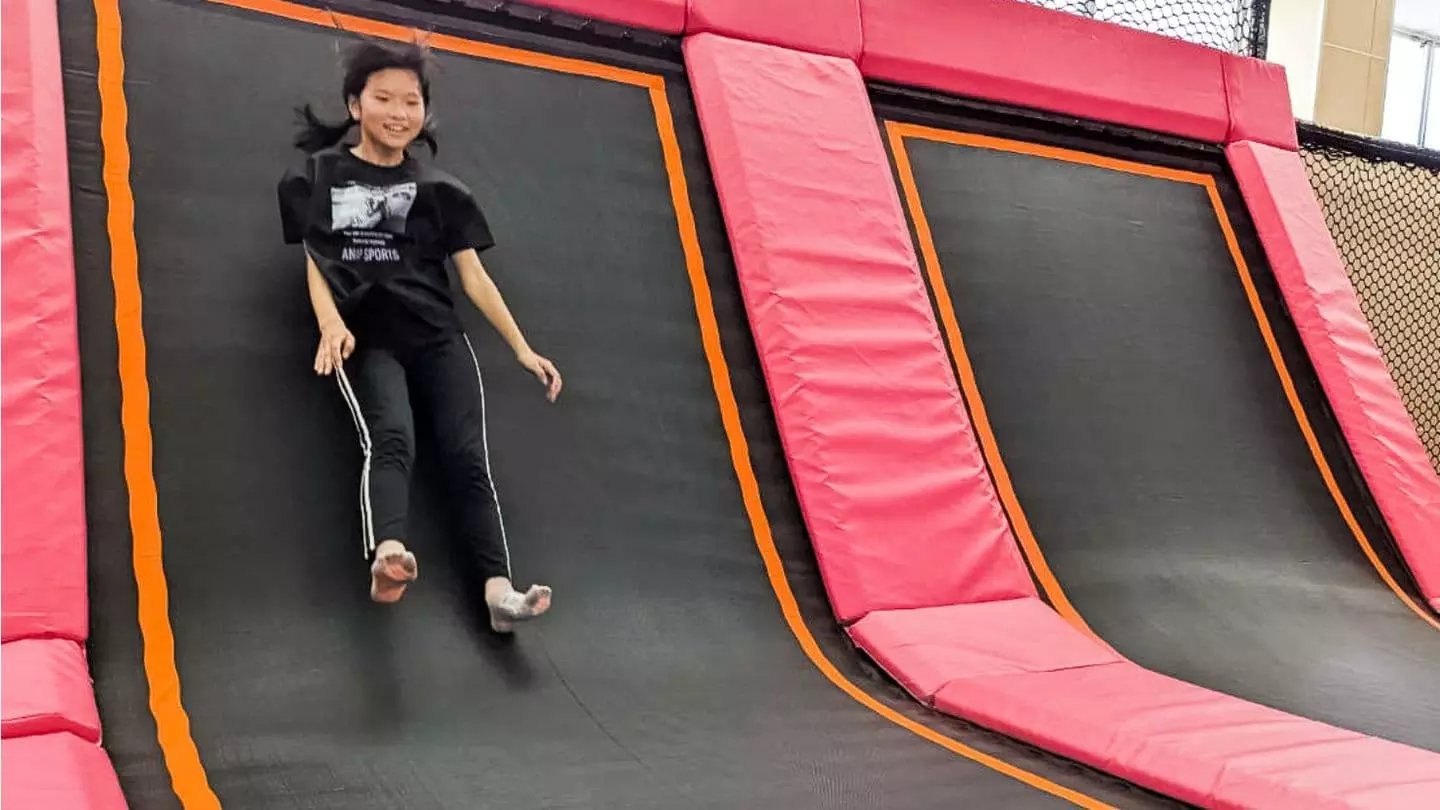
The global indoor entertainment industry continues to expand in 2026. Family entertainment centers, sports recreation venues, shopping malls, and tourism destinations are investing heavily in interactive attractions that generate repeat visits and high customer engagement.
Among these attractions, the custom trampoline park has become one of the fastest-growing segments. Unlike standard trampoline facilities, customized parks are designed around available space, target age groups, local market demand, and specific business goals.
Many investors face common challenges:
- Choosing the right equipment mix
- Controlling startup costs
- Maximizing visitor capacity
- Meeting safety standards
- Creating unique experiences that stand out from competitors
A well-designed custom trampoline park can solve these challenges while increasing revenue opportunities through parties, memberships, food services, and group events.
Summary: A custom trampoline park offers greater flexibility, stronger branding opportunities, and higher long-term profitability than standard trampoline installations.
What is a Custom Trampoline Park?
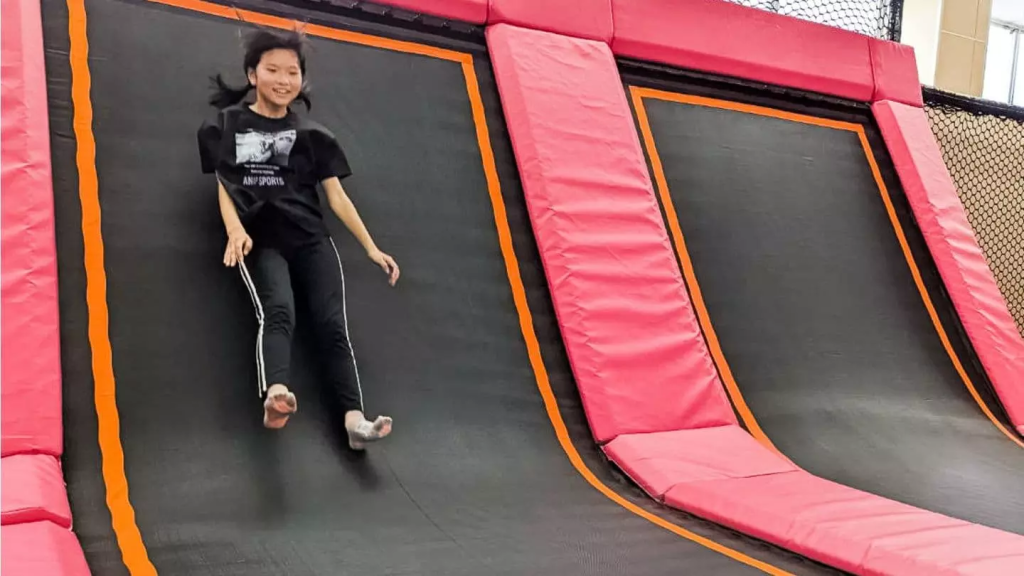
A custom trampoline park is a tailored indoor or outdoor recreational facility designed according to specific site dimensions, business objectives, customer demographics, and operational requirements.
Unlike pre-designed trampoline layouts, custom parks allow operators to combine multiple attractions into a unique entertainment destination.
Common elements include:
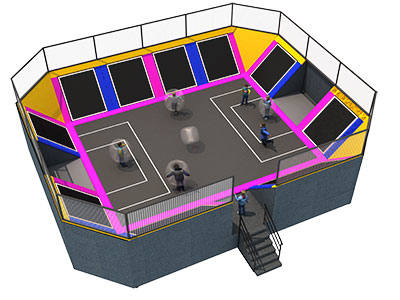
- Main jump arena
- Foam pit zones
- Dodgeball courts
- Basketball dunk areas
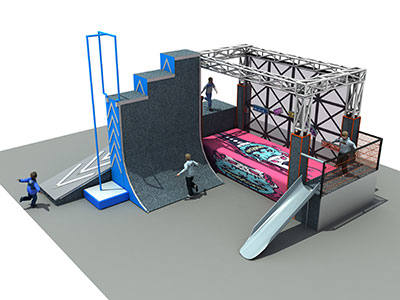
- Ninja obstacle courses
- Climbing walls
- Interactive LED games
- Air bags
- Battle beams
- Kids trampoline zones
Customization can include:
- Park size
- Theme design
- Color schemes
- Branding elements
- Equipment selection
- Visitor flow planning
Modern trampoline parks often integrate digital technologies such as interactive projection games and score-based challenges to improve customer engagement.
Why Customization Matters
Every market is different.
A park designed for young children requires different equipment than one targeting teenagers or corporate groups.
Customization helps operators:
- Improve customer experience
- Increase occupancy rates
- Enhance safety
- Maximize space utilization
- Differentiate from competitors
Summary: A custom trampoline park is a purpose-built entertainment venue designed to match a specific market, location, and business strategy.
Types of Custom Trampoline Park
Different business models require different trampoline park configurations.
Indoor Custom Trampoline Park
The most popular option worldwide.
Advantages:
- Weather-independent operation
- Year-round revenue
- Easier climate control
- Suitable for shopping malls and warehouses
Best for:
- Family entertainment centers
- Commercial complexes
- Retail developments
Outdoor Trampoline Park
Designed for tourism destinations, resorts, and adventure parks.
Advantages:
- Larger installation areas
- Natural environment integration
- Lower building costs
Challenges:
- Weather dependency
- Seasonal operation in some regions
Family Entertainment Center (FEC) Trampoline Park
Combines trampolines with additional attractions.
Typical features:
- Soft play equipment
- Arcade games
- Birthday party rooms
- Climbing activities
This model generates revenue from multiple sources.
Ninja Warrior Trampoline Park
Designed for active users and teenagers.
Features include:
- Obstacle courses
- Climbing structures
- Balance challenges
- Fitness-based attractions
Growing demand is driven by social media trends and competitive recreation.
Interactive Digital Trampoline Park
One of the fastest-growing categories in 2026.
Features:
- LED walls
- Interactive floors
- Projection games
- Motion tracking systems
These attractions increase visitor engagement and encourage repeat visits.
Summary: Indoor, outdoor, FEC, ninja, and interactive trampoline parks represent the primary custom trampoline park categories available in today’s market.
Best Custom Trampoline Park Equipment
Selecting the right equipment directly affects visitor satisfaction and profitability.
Main Trampoline Court
The core attraction of every trampoline park.
Benefits:
- High visitor capacity
- Suitable for all ages
- Strong return on investment
Foam Pit
A classic attraction that remains popular.
Advantages:
- Safe landings
- Beginner-friendly
- Supports trick practice
Air Bag Jump
Increasingly replacing traditional foam pits.
Benefits:
- Easier maintenance
- Better hygiene
- Modern appearance
Dodgeball Arena
Encourages group participation.
Benefits:
- Team activities
- Competitive gameplay
- Event hosting opportunities
Basketball Slam Zone
A favorite among teenagers.
Features:
- Trampoline-assisted dunking
- Social media appeal
- High engagement
Ninja Obstacle Course
One of the highest-value additions.
Benefits:
- Fitness-focused activity
- Broad age appeal
- Premium visitor experience
Climbing Walls
Often integrated into trampoline parks.
Advantages:
- Vertical space utilization
- Increased challenge variety
- Extended visitor stay time
Interactive LED Games
A major trend for 2026.
Examples:
- Interactive walls
- Projection-based challenges
- Digital scoring systems
Industry reports indicate that interactive attractions can significantly improve repeat visitation rates.
Summary: The most successful custom trampoline parks combine traditional trampoline attractions with ninja courses, climbing challenges, and interactive digital experiences.
How to Choose a Custom Trampoline Park
Choosing the right solution requires more than selecting equipment.
Analyze Your Market
Research:
- Population demographics
- Income levels
- Competitor facilities
- Local recreation trends
Understanding demand reduces investment risk.
Define Your Target Audience
Possible audiences include:
- Children
- Families
- Teenagers
- Schools
- Corporate groups
- Sports enthusiasts
Equipment selection should match audience expectations.
Evaluate Facility Size
Important considerations:
- Ceiling height
- Floor load capacity
- Emergency exits
- Visitor flow
Efficient layouts improve operational performance.
Prioritize Safety Standards
Look for compliance with:
- ASTM standards
- EN standards
- Local regulations
Safety should never be compromised for aesthetics or cost savings.
Choose an Experienced Manufacturer
A qualified supplier should provide:
- Design services
- Engineering support
- Manufacturing
- Installation guidance
- After-sales support
Working with experienced manufacturers helps avoid costly mistakes.
Focus on Future Expansion
Market trends change quickly.
Choose modular systems that allow future upgrades and expansion.
Summary: Successful trampoline park projects start with market research, proper planning, safety compliance, and selecting a reliable manufacturing partner.
Cost of Custom Trampoline Park
Investment costs vary significantly depending on project size and attraction mix.
Small Custom Trampoline Park
Area:
- 500–1,000 m²
Estimated investment:
- $80,000–$250,000
Suitable for:
- Community recreation centers
- Small indoor venues
Medium Trampoline Park
Area:
- 1,000–3,000 m²
Estimated investment:
- $250,000–$800,000
Suitable for:
- Family entertainment centers
- Regional markets
Large Commercial Trampoline Park
Area:
- 3,000–8,000 m²+
Estimated investment:
- $800,000–$3 million+
Suitable for:
- Major entertainment destinations
- Shopping malls
- Tourism projects
Factors Affecting Cost
Key variables include:
- Park size
- Equipment quantity
- Interactive technology
- Installation complexity
- Theme customization
- Shipping costs
- Local labor expenses
A well-designed layout often delivers better ROI than simply increasing equipment quantity.
Summary: Custom trampoline park costs typically range from $80,000 to over $3 million depending on project scale, customization level, and attraction selection.
Applications and Successful Cases
Custom trampoline parks serve multiple industries.
Family Entertainment Centers
The most common application.
Benefits:
- Broad audience appeal
- Multiple revenue streams
- Repeat visitation
Shopping Malls
Entertainment attractions increase:
- Foot traffic
- Visitor dwell time
- Tenant performance
Many malls now use trampoline parks as anchor attractions.
Tourism Destinations
Adventure-focused parks enhance destination competitiveness.
Applications include:
- Resorts
- Theme parks
- Vacation centers
Educational Institutions
Schools use trampoline-based activities for:
- Physical education
- Team building
- Student recreation
Corporate Team Building
Companies increasingly seek active group experiences.
Benefits include:
- Collaboration improvement
- Employee engagement
- Wellness initiatives
Sports Training Facilities
Athletes use trampoline equipment for:
- Coordination
- Balance training
- Agility development
Summary: Custom trampoline parks are widely used in entertainment centers, malls, resorts, schools, corporate venues, and sports facilities.
FAQ
What is the average ROI for a custom trampoline park?
Many operators target a return period of 2–5 years, depending on location, attendance, and operating efficiency.
How much space is needed for a trampoline park?
Projects can start from approximately 500 square meters, although larger facilities generally provide more attraction options.
Are trampoline parks profitable?
Yes. Revenue can come from admissions, memberships, birthday parties, food sales, merchandise, and corporate events.
What safety standards should trampoline parks follow?
Common standards include ASTM guidelines, EN standards, and local safety regulations.
What age groups use trampoline parks?
Most facilities serve children, teenagers, adults, and families through dedicated activity zones.
How long does installation take?
Most commercial projects require several weeks to several months depending on complexity and site preparation.
Can a trampoline park be customized to a unique building shape?
Yes. Custom designs can accommodate unusual floor plans, ceiling heights, and structural constraints.
What attractions are trending in 2026?
Popular trends include:
- Interactive LED games
- Ninja obstacle courses
- Adventure challenges
- Digital scoring systems
- Multi-level entertainment layouts
Summary: Modern trampoline parks succeed by combining safety, customization, technology, and diversified revenue opportunities.
Start Your Custom Trampoline Park Project Today
The demand for immersive indoor entertainment continues to grow in 2026. Investors and operators who focus on innovative attractions, safety compliance, and customer experience are positioned to benefit from this expanding market.
Whether you are planning a family entertainment center, shopping mall attraction, sports facility, or tourism destination, a professionally designed custom trampoline park can create a unique competitive advantage.
Contact an experienced trampoline park equipment manufacturer today to discuss layout planning, project budgeting, equipment selection, and customized solutions tailored to your market goals.