When you pick an indoor jumping trampoline for your kids, safety is most important. You want your indoor play area to be safe and made with strong parts. Top brands like Liben Play have ISO9001 and GS certificates. They also follow ASTM and EN1176 rules. This means you can trust their indoor trampolines. These certificates show your indoor trampoline meets top standards. Picking a trusted brand lets your kids have fun inside without worry.
Key Takeaways
- Pick trampolines that have safety nets, thick pads, and strong frames. These features help keep kids safe from getting hurt.
- Think about the kind of trampoline you need. You can pick mini, enclosed, or springless types. Choose based on your space, how safe you want it, and your child’s age.
- Always look for safety certifications like GS, ASTM, and EN1176. These show the trampoline is very safe.
- Measure your space before you buy a trampoline. Make sure there is enough room around it for safe jumping. This is important if your room has a low ceiling.
- Watch kids when they jump. Make clear rules for them. Check the trampoline often to keep it safe and make it last longer.
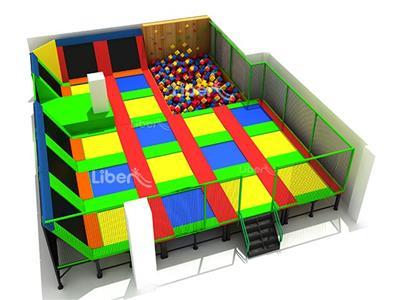
Types of Indoor Jumping Trampolines for Kids
There are many kinds of indoor trampolines for kids. Liben Play has lots of choices for families. These trampolines are made for kids to be safe and fun. You can pick one that fits your room and your child.
Mini Indoor Trampolines
Mini indoor trampolines are small and light. You can put them in a playroom or living room. Many parents pick these because they are safer than big trampolines. Mini trampolines have covers for the springs and soft mats. They also have padded poles to help stop injuries. Kids can get on and off easily because they are low. You can put them away when you do not need them. Mini trampolines are cheaper and do not use much space.
Tip: Make sure the mini trampoline has padding and a strong frame before you buy it.
Enclosed Indoor Trampolines
Enclosed trampolines have nets around the jumping area. The nets help keep kids from falling off. Liben Play makes these with strong nets and soft pads. This type is good if you want more safety. The net helps stop injuries, even if more kids are jumping. You can get these trampolines in round or rectangle shapes.
Springless vs. Spring Designs
Some trampolines have springs, and some do not. Springless trampolines use bands or rods instead of metal springs. This helps stop fingers or feet from getting hurt. Many accidents happen when kids land on springs or frames. Springless trampolines help stop these problems. Liben Play follows important safety rules like EN ISO 23659:2022, ASTM F2970, and EN 1176. These rules mean the trampolines are safe for kids.
| Trampoline Type | Safety Features | Best For |
|---|---|---|
| Mini | Low height, padded frame | Small spaces, young kids |
| Enclosed | Safety net, soft padding | Active kids, group play |
| Springless | No exposed springs, soft edges | Extra safety |
No matter which trampoline you pick, always check for safety and certifications. Liben Play helps you find a safe and fun trampoline for your kids.
Key Safety Features for Indoor Trampolines
When you look for an indoor trampoline for your kids, safety should always come first. You want to make sure your trampoline has the right safety features, strong materials, and trusted certifications. Liben Play trampolines meet GS, ASTM, and EN1176 standards, so you know you are getting top quality. Let’s break down the most important safety features you should check before you buy.
Enclosure Nets and Padding
A good net and thick padding can make a big difference in keeping your kids safe. The net acts like a soft wall around the trampoline, so kids do not fall off and hit the floor. Padding covers the frame and springs, so there are no hard or sharp spots to land on. Here’s a quick look at how nets and padding help:
| Evidence Type | Description |
|---|---|
| Safety Nets | Act as barriers to stop jumpers from falling off and hitting hard surfaces. |
| Padding | Protects against impact injuries from the trampoline frame and springs. |
| Injury Stats | Studies show that safety enclosures lower fall injuries, especially for children. |
You should always check that the padding is thick and covers all the springs. Choose a trampoline with a net made from strong, flexible material. This helps the net last longer and keeps your kids safe during play.
Tip: Make sure the padding is sturdy and gives enough cushion if someone falls. The outer material should be tough enough to last all year.
Springless Design and Impact Protection
Springless trampolines are a smart choice for indoor play. They use rods or bands instead of metal springs, so there is less risk of pinched fingers or hard landings. Many springless trampolines sit closer to the ground, which lowers the chance of injury if a child falls. You also do not have to worry about springs breaking or needing to be replaced.
Here are some reasons why springless trampolines are safer for kids:
- No metal springs means no pinching or getting stuck.
- The jumping mat is shock-absorbent and has no hard edges.
- The frame sits under the jumping surface, so kids cannot hit it.
- Flexible rods and soft mats give extra impact protection.
- Less maintenance is needed because there are fewer moving parts.
Modern indoor trampolines use strong, tear-resistant mats and thick foam padding. Some even have smart systems that watch for risky jumps and alert you if something is wrong. Liben Play uses these design ideas to make sure every trampoline is safe and fun.
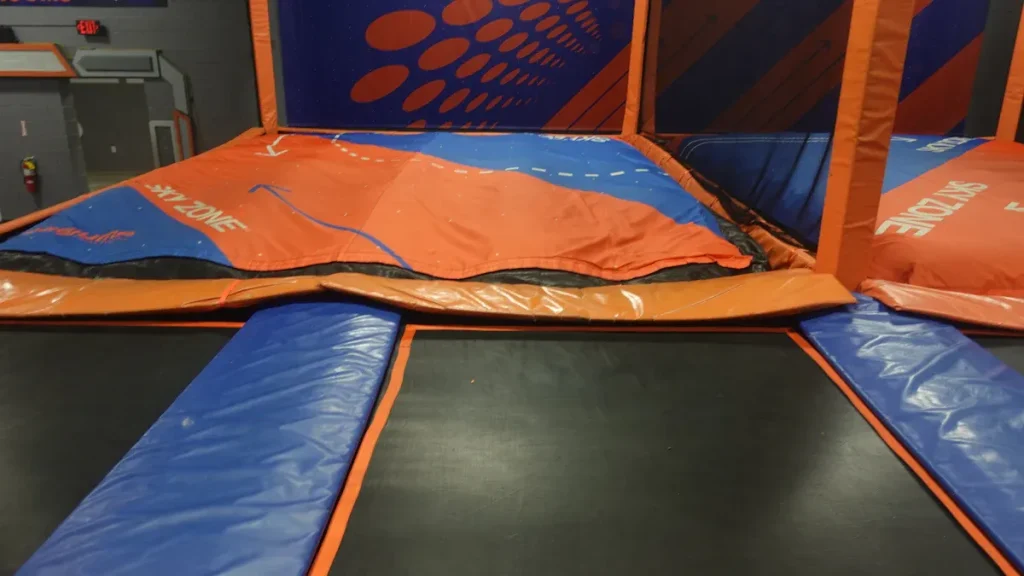
Weight Limits and Certifications
You should always check the weight limits before you let your kids jump. Every indoor trampoline has a weight limit, and it is important to follow it for safety. Liben Play trampolines can hold up to 170 kg per square meter, which is great for group play. Always look at the single jumper weight capacity if you want the trampoline for family use.
Here’s a quick guide:
| Key Takeaway | Description |
|---|---|
| All trampolines have a weight limit | This is important for safety when you buy one. |
| Single jumper weight capacity | Check this if more than one child will use the trampoline. |
| Weight limits vary by brand | Always research to find the right fit for your family. |
Liben Play trampolines come with GS, ASTM, and EN1176 certifications. These show that the trampoline meets strict safety rules. You can trust that your indoor trampoline is built with quality and safety in mind.
Note: Always follow the weight limits and check for safety certifications before you buy. This helps keep your kids safe and your trampoline in good shape.
Choosing the Right Size and Age-Appropriate Trampoline
Space Considerations for Indoor Trampolines
You need your trampoline to fit your room and be safe. First, measure the diameter for round trampolines. For rectangle trampolines, measure length and width. If you want an enclosure, check the height. Make sure your ceiling is tall enough for jumping. Most trampolines need at least 2 square meters. Leave 50 cm of space on each side. Keep 3 feet clear around the trampoline. Put it away from walls and sharp furniture. Always set up your trampoline on a flat surface. If you are not sure about size, pick the bigger one. More space means more fun for everyone.
Age Recommendations for Kids
Kids need different trampolines based on their age. You should follow safety rules to keep them safe. Here is a simple table to help you choose:
| Age Group | Recommendation |
|---|---|
| Under 6 | Do not use big trampolines; try mini trampolines for toddlers but be careful. |
| 6 and up | Can use regular trampolines; they can follow safety rules better. |
| Ages 6-9 | They can break arms or legs if they land wrong. |
| Ages 10-14 | They might sprain or dislocate joints; they try harder tricks. |
| Teens | They can hurt their neck or spine if they flip or jump off. |
Always watch kids and remind them about safety space. Younger kids need small trampolines with soft mats. Older kids can use bigger trampolines, but you must supervise them.
Customizable Options from Liben Play
Liben Play helps you find the best trampoline for your kids. You can pick different shapes and colors. Their team helps you design trampoline areas for your space. You can add obstacles or themes for more fun. Liben Play changes trampolines for different ages and safety needs. You get a trampoline that fits your space and quality needs. Customizing keeps your play area safe and fun every time kids jump.
Recommended Safe Indoor Trampoline Models for Kids
Picking the right indoor trampoline can be hard. You want one that is safe and strong. It should also be fun for your kids. Here are some good choices and why they are special.
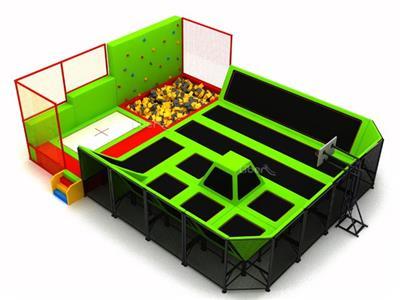
Liben Play Trampoline Parks
Liben Play trampoline parks offer a full play area indoors. They have free jumping spots, foam pits, and climbing walls. These parks use smart tech and have over 100 safety patents. Liben Play trampolines have ISO9001 and GS certificates. They follow strict safety rules to keep kids safe.
| Safety Feature | Description |
|---|---|
| ISO9001 Certification | Makes sure quality systems are used. |
| GS Certification | Shows the trampoline meets safety standards. |
| Strict Safety Rules | Follows tough safety steps. |
Families in New Zealand and Israel say Liben Play parks are great. Kids stay active and happy. Parents feel good about safety.
Best Compact Trampoline for Small Spaces
If your home is small, you need a trampoline that fits. Folding trampolines are good for indoor use. You can set them up fast and store them easily. They are small and have a strong frame. These trampolines are safe for kids when watched. They sit low, so there are no overhead dangers. Parents like that these trampolines do not take up space all the time.
Top Springless Trampoline for Safety
Springless trampolines are the safest for kids in 2026. They use rods instead of metal springs, so there are no pinch spots. The SoftEdge mat helps absorb impact. The FlexiNet enclosure keeps jumpers safe on the mat. Springfree trampolines are leaders in safety. Their design stops 90% of injuries from products. Many parents say Springfree is the safest indoor trampoline. You get peace of mind and a trampoline that lasts.
Tip: Always read the trampoline guide before you buy. Check for frame strength, safety features, and make sure there are no overhead dangers.
Indoor Trampoline Safety Tips and Maintenance
Keeping your indoor trampoline safe helps your kids stay active. It also lets them have fun and exercise every day. Here are some easy ways to keep your trampoline safe, clean, and ready for play.
Supervision and Usage Guidelines
You help keep your kids safe when they jump. Always watch them closely. Stay nearby so you can help fast if needed. Set clear rules for your kids:
- Only one child should jump at a time. This stops bumps or falls.
- Keep jumping short, about 10 to 15 minutes. Watch if your kids get tired.
- Remind your kids not to do flips or risky tricks.
- Make sure they use the net and padding every time.
These steps help your kids have fun and stay safe.
Regular Inspection and Care
You want your trampoline to last and stay safe. Check it every day for loose bolts or worn pads. Look for damage often. Here is a table to help you remember what to check and how often:
| Maintenance Task | How Often | What To Do |
|---|---|---|
| Check soft play accessories | Daily | Fix or replace anything worn out right away. |
| Inspect net and frame | Weekly | Make sure nets are tight and frames are strong. |
| Clean trampoline and pads | Daily | Use a vacuum and gentle cleaner to keep it fresh. |
| Deep clean foam pits | Monthly | Clean inside, check foam cubes, and replace if needed. |
| Plan for part replacement | Scheduled | Change parts before they break. |
If you see damage, close that area. Do not let anyone use it until you fix it. Liben Play can help with repairs or setup if you need support.
Creating a Safe Play Area
Put your trampoline on a flat surface. Tighten all bolts and fasteners before jumping. Use trampolines made for your kids’ age. Add a safety net and padding around the frame. Keep the area clear of furniture and sharp things. Post rules nearby so everyone remembers how to play safely.
When you follow these tips, your kids get a safe space to play and stay active. With regular care and good supervision, your trampoline will last for years.
When picking a trampoline for your kids, think about safety first. Make sure the trampoline has a strong net and thick padding. The frame should not rust. Always look at the weight limit and check what ages can use it. Watch your kids when they jump and tell them the rules. Buy from a trusted brand like Liben Play. They follow the best safety rules. You can find more tips and trampolines at Liben Play. This helps you make your home safe and fun.
- Nets and padding help stop kids from getting hurt.
- Strong materials keep your trampoline safe for a long time.
- Liben Play uses safe materials and checks every trampoline.
FAQ
What is the best age for kids to use an indoor trampoline?
Most kids ages 3 and up can enjoy an indoor trampoline. Always check the age guidelines for your model. Younger kids need more supervision and softer mats.
How much space do I need for an indoor trampoline?
You should measure your room before you buy. Leave at least 3 feet of space around the indoor trampoline. Make sure the ceiling is high enough for safe jumping.
Can I move my indoor trampoline to another room?
Yes, you can move most indoor trampolines. Many models are lightweight and easy to fold. Always check the instructions before moving to keep everything safe.
How do I keep my indoor trampoline clean?
Vacuum the mat and wipe down the frame with a damp cloth. Clean the padding and net often. This keeps your indoor play area fresh and safe for your kids.
What safety features should I look for in an indoor trampoline?
Look for strong nets, thick padding, and a sturdy frame. Make sure your indoor trampoline has safety certifications. These features help protect your kids while they play.