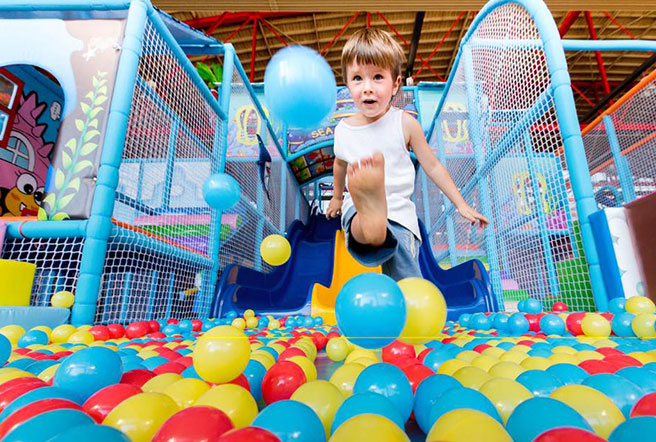
You want your children to play, learn, and grow in safe spaces. Not all child indoor playground equipment is equal, so you need to keep safety in mind every time you visit. Liben Play puts safety first with innovative designs that help protect your kids. You can take simple steps to check for risks and make smart choices.
Key Takeaways
- Look for safety certifications like IPEMA, ASTM, and EN 1176. These show the playground equipment meets high safety standards.
- Check if the materials are non-toxic. Make sure there are soft surfaces and smooth edges. This helps lower the chance of injuries while playing.
- Inspect the playground equipment often for any damage you can see. Look for loose parts and make sure it is stable before your child plays.
- Pick play areas and layouts that fit your child’s age. This helps your child stay safe and have fun.
- Tell staff or managers right away if you see any safety problems. This helps keep the playground safe for all kids.
Indoor Playground Safety Standards
When you go into a play area, you want it to be safe. Not every indoor playground has the same safety rules. Some places follow strict rules to keep kids safe. Others might not follow these rules. Let’s see what makes a playground safe for everyone.
Key Certifications For Safe Indoor Playground
You might notice labels or certificates on the equipment. These show the equipment meets important safety rules. Here is a simple guide to the most well-known certifications and what they mean:
| Certification | Description | Requirements |
|---|---|---|
| IPEMA | International Play Equipment Manufacturers Association | Third-party testing, meets ASTM F1487, CAN/CSA-Z614 |
| CPSC | Consumer Product Safety Commission | Follows CPSIA, gives safety tips for playgrounds |
| ASTM | ASTM International | Sets rules for playground equipment, like F1487 |
| CSA | Canadian Standards Association | Uses CAN/CSA Z614 for children’s playgrounds |
| EN | European Committee for Standardization | Uses EN 1176 for indoor playground safety |
You can look for these labels on the equipment or ask the staff. If you see these certifications, you know the playground cares about safety.
Liben Play’s Commitment To Safety
Liben Play does more than just follow the rules. The company helps make some of the safety standards. Liben Play has certifications like ISO 9001 for quality and EN 1176 for indoor playground safety. You can trust their equipment meets high safety standards for kids.
Here is a table that shows some main standards and what they cover:
| Standard Part | Focus / Equipment Type | Key Compliance Parameters & Notes |
|---|---|---|
| EN 1176-1 | General Requirements | Strong structure, safe materials, fall zones |
| EN 1176-3 | Slides | Safe slide shape, good exits, safe ladders |
| EN 1176-10 | Fully Enclosed Play Equipment | Good visibility, air flow, emergency exits |
When you visit a playground, look for these certifications on signs or tags. If you have questions, ask the staff. They should know about the safety rules their equipment follows. This helps you feel sure your kids can play safely.
Essential Features Of Safe Indoor Playground Equipment
You want your child’s playground to be safe and fun. It should also feel comfortable and fit your child’s needs. Let’s see what features make a playground safe.
Non-Toxic Materials And Soft Surfaces
You expect the equipment to be made from safe materials. Non-toxic materials are very important. Manufacturers use plastics without phthalates, paints without lead, and parts without BPA. These choices keep dangerous chemicals away from kids.
Soft surfaces are also important. Foam padding covers the walls, floors, and play structures. This padding helps protect children if they fall. It lowers the chance of getting hurt. You will see soft play equipment where kids climb, slide, or jump. Some designs add extra padding in busy areas.
Here is a quick checklist for safe materials and surfaces:
- Non-toxic, child-safe materials (no lead, BPA, or phthalates)
- Soft foam padding on floors, walls, and play structures
- Smoothed corners and rounded edges
- Shatter-proof plastic tubes and polycarbonate windows
- Fire-retardant netting and abrasion-resistant slides
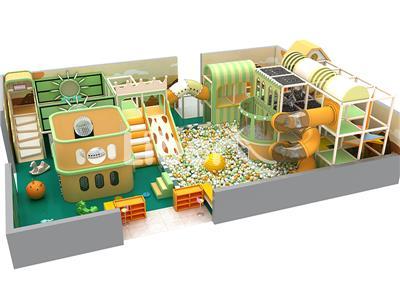
Liben Play uses strong materials like hot-dip galvanized steel pipes, tough PVC vinyl, and thick foam. These choices make the playground safer and help stop injuries.
Tip: Always look for padding and ask staff about the materials used.
Secure Design And Installation
Safety starts with good design and careful installation. You want equipment that does not move or tip over. It should be anchored to the floor. Guardrails and mesh walls keep kids safe on high parts. Barriers around moving parts protect fingers.
Designs with smooth corners and no trap spaces help stop accidents. Soft floors absorb impacts from falls. Regular checks and repairs are important for safety.
Here is a table of secure design features to check:
| Design Feature | Why It Matters |
|---|---|
| Smoothed corners | Prevents cuts and bruises |
| Guardrails/mesh walls | Stops falls from heights |
| Secure anchoring | Keeps equipment stable |
| Soft flooring | Cushions falls |
| Protective barriers | Shields moving parts |
Liben Play’s equipment follows strict safety rules. Their playgrounds mix activities in ways that keep kids safe and busy.
Note: Ask about how often staff check and fix the equipment. Well-kept equipment lasts longer and stays safer.
Customization For Age And Space
Every playground is different. You need equipment that fits your space and matches your child’s age. Customization is important for safety. Zones for different ages help kids play safely and do activities that fit them.
Younger kids need soft play structures and gentle slides. Older kids might like rope courses or harder challenges. Liben Play offers layouts that can change to fit your needs. Custom designs stop overcrowding and make it easier to watch kids.
Here is how customization makes things safer:
- Equipment for different ages gives the right challenges.
- Padded surfaces and strong railings protect kids during play.
- Clear views help you watch your child easily.
- Flexible layouts stop overcrowding and let kids play safely.
Block Quote: “A playground that fits your space and your child’s age makes playtime safer and more enjoyable.”
Liben Play’s custom options let you build a playground that meets your safety needs and helps your child grow.
How To Inspect Child Indoor Playground Equipment
You want your children to have fun, but you also want to keep safety in mind every time you visit a play area. Doing a quick inspection before your child starts playing can make a big difference. You do not need special training—just a careful eye and a few simple steps.
Visual And Physical Checks
Start with a walk around the playground. Look at the layout and see if you can spot anything unusual. Here’s a step-by-step guide you can follow:
- Look for visible damage. Check for broken parts, cracks, or splinters on the equipment. If you see rust or missing bolts, that’s a warning sign.
- Check the surfaces. Press on the padding and flooring. Make sure it feels soft and thick enough to cushion a fall. Surfaces should be clean and free from spills or debris.
- Test for stability. Gently shake or push on slides, climbing frames, and swings. The equipment should not wobble or tip.
- Inspect hardware. Look at bolts, screws, and fasteners. They should be tight and free from rust or corrosion.
- Scan for sharp edges or gaps. Run your hand along the edges (carefully). There should be no sharp corners or places where clothing or fingers could get caught.
- Check for cleanliness. Make sure there are no animal droppings, broken glass, or other hazards on or around the play area.
- Watch for proper barriers. Guardrails or mesh walls should be in place on elevated surfaces to prevent falls.
Tip: If you notice anything that feels unsafe, let the staff know right away. Your quick action can help protect other children, too.
Regular checks matter. Most experts recommend weekly visual inspections for obvious damage, monthly detailed checks for wear and stability, and annual professional reviews. Staff training and active supervision also play a big role in preventing injury and keeping the playground safe.
Spotting Wear Or Hazards
You can spot many hazards with just a quick look. Here’s a table to help you know what to watch for:
| Signs of Wear or Hazards | Description |
|---|---|
| Visible Damage | Cracks, splinters, or rust on any part of the equipment. |
| Loose Parts | Wobbly or broken pieces, missing bolts, or screws that need tightening. |
| Sharp Edges | Exposed metal or plastic that could cut or scratch. |
| Surface Material | Worn-out or thin padding, dirty or slippery surfaces, animal droppings. |
| Protective Barriers | Missing or damaged guardrails, especially on high platforms. |
| Worn-out Swings | Chains or seats that look frayed or weak. |
| Faded Markings | Important safety markings that are hard to see or missing. |
If you find any of these issues, take precautions. Keep your child away from the area until it is fixed. Report the problem to staff or management. Good playgrounds, like those designed by Liben Play, have regular maintenance and trained staff who respond quickly to safety concerns.
Remember: You are your child’s first line of defense. A quick check can prevent a serious injury and help everyone enjoy a safer play experience.
When you inspect child indoor playground equipment, you help create a safer environment for all children. Make it a habit to do these checks every visit. Your attention to safety precautions and the design of the playground can make a big difference. A well-maintained layout and regular inspections keep playtime fun and safe for everyone.
Red Flags In Indoor Playground Safety
Common Hazards To Avoid
You want your children to play safely, but sometimes hazards hide in plain sight. When you walk into a play area, keep your eyes open for these warning signs:
- Broken or cracked equipment can cause injuries.
- Sharp edges or exposed nails may cut or scratch children.
- Loose parts, like bolts or screws, make equipment unstable.
- Thin mats or hard flooring increase the risk of serious falls.
- Missing or loose padding around poles and walls leaves children unprotected.
- Gaps in equipment can trap fingers or clothing.
- Poor lighting makes it hard to see hazards and supervise children.
- Overcrowding leads to collisions and falls.
- Moving equipment can pinch or crush fingers.
You should also check for age-appropriate play zones. Younger children need softer play areas, while older kids can handle more challenging activities. Staff supervision matters. If you don’t see enough staff watching the play zones, accidents can happen.
Here’s a quick table to help you spot red flags:
| Hazard | Why It Matters |
|---|---|
| Sharp edges | Can cause cuts or bruises |
| Loose parts | Make equipment unstable |
| Missing padding | Increases injury risk |
| Poor lighting | Hides hazards |
| Overcrowding | Raises chance of accidents |
Tip: Always check the condition of child indoor playground equipment before letting your children play. Taking safety precautions helps prevent injuries.
When To Raise Concerns
If you notice any hazards or unsafe conditions, you should act right away. Here’s what you can do:
- Document the issue. Take photos and write down what you see.
- Report the problem to playground staff. Let them know so they can fix it.
- Keep your children away from unsafe areas until repairs are made.
Liben Play offers regular maintenance and support. Their staff responds quickly to safety concerns and keeps equipment in top shape. You can trust their team to handle issues and protect children. Your precautions help create a safer play environment for everyone.
Note: If you see something unsafe, speak up. Your actions protect not just your children, but all kids who visit the playground.
What To Do If You Have Safety Concerns
Immediate Steps For Parents
If you see something unsafe, act quickly to protect your child. Move your child away from the danger right away. Tell other parents about the problem so they can keep their kids safe. Trust your feelings—if something seems wrong, it probably is.
Look closely at the equipment for hidden dangers. Broken parts, missing padding, or sharp edges are warning signs. Supervised play areas with safe surroundings and enough space are best for children.
Tip: Always remember safety steps. Acting fast can stop accidents and help keep the playground safe for all families.
Contacting Facility Or Manufacturer
If you find a problem, tell the staff or manager right away. Most places have a way to report safety concerns. If no one helps you quickly, ask for a manager. You can also contact the manufacturer, like Liben Play, for more help or advice.
To make your report better, follow these steps:
- Check the child indoor playground equipment carefully.
- Write a clear report about what you found, like damaged equipment or unsafe things.
- Suggest repairs or replacements if you can.
- Take good photos of the problem spots.
- Give your report to the facility and keep a copy for yourself.
This process helps everyone follow safety rules and keeps the play area safe for a long time. Good records make it easier for staff to fix problems and for you to check later.
Note: Your voice is important. Reporting concerns helps make the playground safer and shows that everyone shares the job of keeping kids safe.
You want your children to play in places that care about safety and flexibility. When you take action and speak up, you help make play spaces safer and happier for all.
You want your child to play safely and have fun. Doing safety checks often helps stop injuries. It keeps playground equipment in good condition. Follow the checklists and steps in this guide. They help you find dangers and make play areas safer. Liben Play is a trusted brand. They have certified equipment, cool designs, and strong support.
| Why Pick Liben Play? | What You Get |
|---|---|
| Safety Certifications | Feel safe and secure |
| Innovative Designs | Fun and exciting play |
| Global Experience | Reliable equipment |
Always pay attention, use what you learned, and choose brands that care about safety.
FAQ
What should you look for when choosing an indoor play area?
You want a clean, well-lit indoor play area with safe equipment. Check for soft mats, sturdy structures, and clear age zones. Staff should watch the indoor play area and keep it tidy. Ask about cleaning routines and safety checks before your child plays.
How often should you inspect an indoor play area before letting your child play?
You should check the indoor play area every visit. Look for broken parts, loose bolts, or missing padding. Walk around the indoor play area and touch the surfaces. If you see anything unsafe, tell the staff right away.
Can older and younger kids use the same indoor play area?
Most indoor play areas have zones for different ages. Younger kids need softer play spaces and gentle slides. Older kids like climbing walls or rope courses. Always check if the indoor play area has clear signs for age groups to keep everyone safe.
What makes a playground inside an indoor play area safer than outdoor options?
An indoor play area keeps kids safe from weather and has soft floors. The playground equipment stays clean and dry. Staff can watch the indoor play area more easily. You get peace of mind knowing your child plays in a controlled, safe space.
Who do you contact if you find a problem in an indoor play area?
If you spot a problem in the indoor play area, talk to the staff or manager right away. Take a photo if you can. If the indoor play area uses Liben Play equipment, you can also reach out to the company for help or advice.