
What to Expect at an Open Indoor Playground
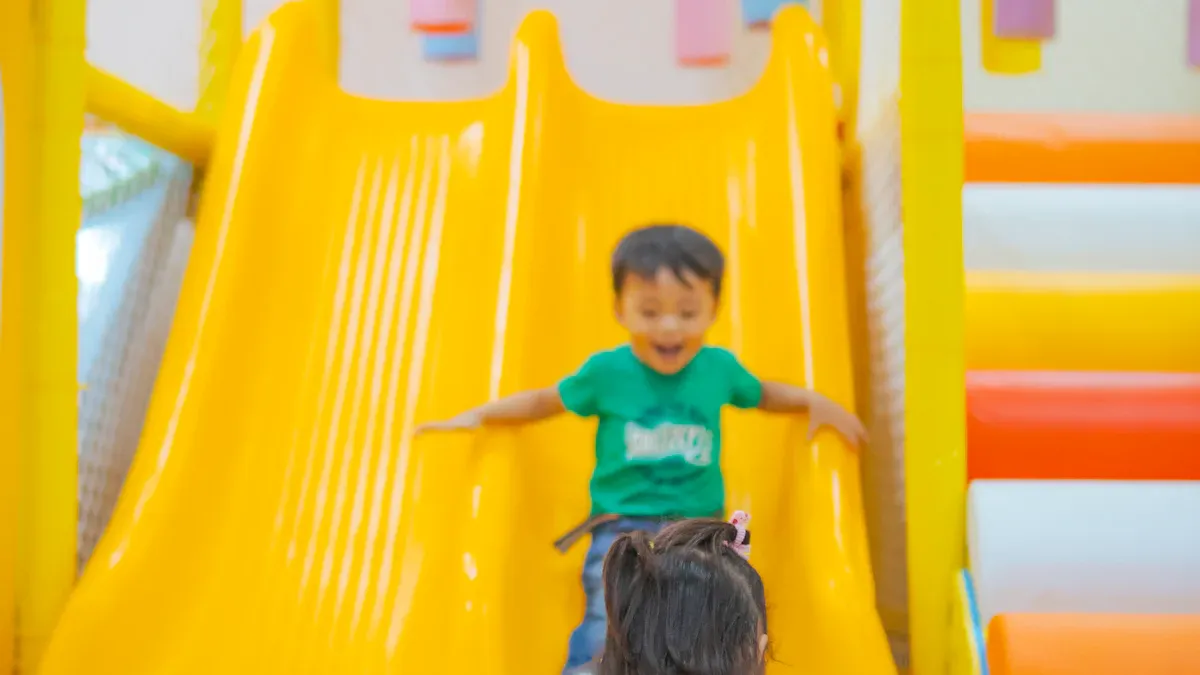
You might feel a bit nervous before your first visit to an open indoor playground. Will your kids stay safe? Will they really have fun? Imagine this: a bright, colorful space where children play and use their imagination freely. Every part of the playground is made for adventure and safety, so parents feel calm. You can relax while your kids explore. This guide helps you get ready, so we can make families feel welcome and confident. With age-appropriate zones and practical tips, this playground has everything. Let’s start and find out what makes this place special for you and your children.
Key Takeaways
- Indoor playgrounds have many areas where kids can climb, slide, and use their imagination.
- Areas made for different ages keep little kids and older children safe and having fun.
- Trained staff and strict cleaning routines make the playground safe.
- Safe entrances and clear views help parents relax while their children play.
- Playgrounds give young kids sensory areas where they can learn and develop.
- Memberships and party packages help playgrounds make a steady income.
- Custom designs and ready-to-use services make it easy to start a playground.
- Plan your visit by bringing grip socks, comfy clothes, and a water bottle.
A World of Play Zones
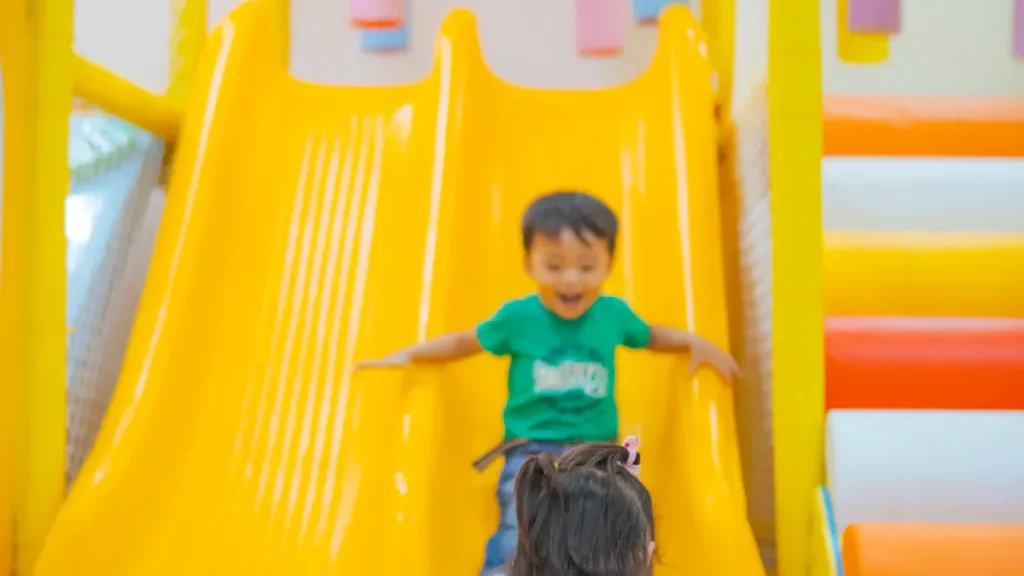
Step inside an open indoor playground, and you will see a space built for pure fun. Gone are the days of simple slides and swings. Modern indoor play areas are full of color, texture, and endless options. Every corner invites your kids to move, explore, and make their own adventures. You will find many activity zones made to keep children busy for hours. These areas mix physical challenges with creative freedom. Your little ones can climb, jump, slide, and run without ever getting bored. The design of each zone has a purpose, encouraging different kinds of movement and imagination.
Climbing and Sliding Structures
Climbing structures are the main part of any indoor playground. These tall frames ask children to test their strength and balance. You will see nets, ropes, and curved walls that look fun to conquer. Slides twist down from high platforms, giving a fun reward after a hard climb. Ball pits sit nearby, ready to catch jumping kids in a pool of colorful plastic balls.
Climbing helps growing bodies in many ways. It works every major muscle group, from the core to the arms and legs. When children pull themselves up, they build grip strength and upper body power. The weight-bearing nature of climbing makes bones stronger, much like lifting weights does for adults. This full-body exercise also gets hearts pumping, boosting heart health. Regular climbing cuts down sitting time and lowers risks for issues like obesity and high blood pressure. For kids, these active physical activities feel like pure fun, not exercise.
The best structures offer different levels of challenge. Beginners can start with low platforms that have wide steps. More confident climbers might try vertical rope walls or overhead rings. This step-by-step design keeps children motivated. They set small goals, reach them, and gain confidence with each win. You will watch your child’s face light up after reaching a new height. That pride matters. It builds self-esteem that helps in other parts of life.
Themed and Imaginative Play Areas
Past the climbing frames, you will find themed zones that take children to another world. Jungle adventures have leafy canopies and animal friends. Ocean themes include shipwrecks and friendly sea creatures. Space zones let kids pretend they are astronauts exploring far planets. These immersive environments do more than look nice. They turn exercise into storytelling.
Research shows that themed equipment mixes physical activity with imaginative play. Children do not just run; they run from a pretend volcano or chase a make-believe pirate. This story pull keeps them moving longer and with more excitement. Studies from the American Academy of Pediatrics confirm that when movement becomes part of an engaging story, children stay active without knowing it. The Creativity Research Journal adds that themed playgrounds boost creative play and social interaction compared to traditional designs. Kids work together, assign roles, and build shared worlds.
The cognitive benefits run deep. Creating and exploring new worlds strengthens memory and focus. Children must remember story details and plan their next moves. Language skills grow as they tell their adventures. A child exploring an enchanted forest might describe the “sparkling leaves” or “whispering trees,” building vocabulary naturally. Problem-solving appears when play scenarios hit obstacles. How do we cross the lava floor? What does the dragon need to become friendly? These questions spark critical thinking.
Themed areas also encourage symbolic thinking. A foam block becomes a treasure chest. A tunnel turns into a secret passage. This ability to give new meanings to objects builds mental flexibility. Children practice moving between reality and make-believe, a skill that strengthens brain connections vital for later school success. The multisensory nature of these spaces—bright colors, varied textures, ambient sounds—supports different learning styles and reinforces connections through multiple channels.
Sensory Spaces for Young Kids
Not all play needs to be loud and fast. Sensory spaces offer a calmer experience, especially for younger children. These quiet corners feature soft mats, textured walls, and soothing lights. You might find gentle ramps, foam blocks, and low tunnels made for exploring. Ball pits and padded obstacles encourage interaction without overwhelming sensitive systems.
A sensory gym, or a play space that includes sensory gym equipment, is a place that is specially designed to help children who don’t experience the world in the same way to learn, grow and master important skills like communication and social interaction. These special spaces include a variety of bright colors, special equipment that encourages interaction like ball pits and tunnels, and many other features and pieces of equipment that are designed to stimulate all the senses.
These areas work wonders for toddlers and children with sensory processing differences. Sensory-rich environments encourage language development. Toddlers touch different textures and learn words to describe them. “Soft,” “bumpy,” “smooth”—these words come alive through hands-on experience. Emotional regulation improves too. The calming atmosphere helps children manage stress and avoid overstimulation. When a child feels overwhelmed, a quiet sensory corner offers a safe retreat.
Social skills grow in these shared spaces. Toddlers learn to take turns, share space, and practice kindness. They watch each other, copy actions, and begin cooperative play. These early interactions build school readiness. The indoor play area becomes a training ground for friendship and empathy. For families, this means watching your child grow socially while having a great time. The engaging play experiences found here support every part of childhood development.
The best indoor playgrounds balance all these zones carefully. Active climbing areas sit near imaginative themed spaces. Quiet sensory corners offer a break when needed. This variety ensures every visit feels new and exciting. Your children will find fresh challenges each time they come. And you will find a welcoming space where fun meets real developmental benefits. The thoughtful design of these playgrounds creates a place where kids thrive, parents relax, and families make lasting memories together.
Age-Appropriate Areas for Everyone
Every open indoor playground you visit puts kids of different ages in separate areas. This is not just a good idea. It keeps everyone safe. A two-year-old and an eight-year-old on the same equipment can cause accidents. The best playgrounds split the space into zones with gear that fits each age group. Each zone matches the skills and size of the children playing there. This way, everyone stays safe and gets the right level of challenge.
Zones for Infants and Toddlers
This zone is made for little kids. You see low platforms that are just inches off the ground. Gentle slides replace tall, twisty ones. Every piece of gear has rounded edges and is made from soft foam. These materials soften the fall if a child trips. Vinyl covers are smooth and hard to tear, which makes cleaning easy.
Safety is the top goal here. The gear uses non-toxic and fire-safe materials that meet ASTM F1487 and EN 1176 rules. Structures are low to prevent bad falls. A physical wall separates this zone from areas for older kids. This stops fast-moving older children from crashing into wobbly toddlers. Parents can relax knowing their little ones are safe. The soft surfaces let toddlers fall without getting hurt, so they can practice walking and climbing with more confidence.
Spaces for Preschool and School-Age Kids
When your child grows past the toddler stage, they need bigger challenges. The preschool and school-age play areas give them that. You see taller climbing frames, rope nets, and obstacle courses. Slides twist down from higher platforms. Ball pits invite jumping in. These areas support active play that builds strength.
The playground often has space for group games. You find open areas for tag, relay races, or scavenger hunts. Some places offer activities like dance or yoga. Everything stays fun and right for their age. No weight training or super hard tasks. Just pure active play that keeps kids moving. This playground gear is built to handle the energy of older kids with strong frames and reinforced joints.
Parent Seating and Viewing Areas
You do not have to stand the whole time. The best playgrounds put seats where you need them. The design uses about ten to fifteen percent of the floor space for a central supervision area. This spot sits in the middle with a clear view of every play zone. You can sit back with a coffee and watch your child climb and explore.
A good layout avoids common mistakes. Seating never sits under loud zones. Columns do not block your view. You can see the toddler area from the same spot where you watch older kids. Some playgrounds use raised platforms for better views. When parents can easily watch their kids, they stay longer and enjoy the visit more. Knowing you can relax while your kids are safe makes the indoor play area a great place for families. A well-designed playground keeps families coming back.
Supervision and Safety Measures
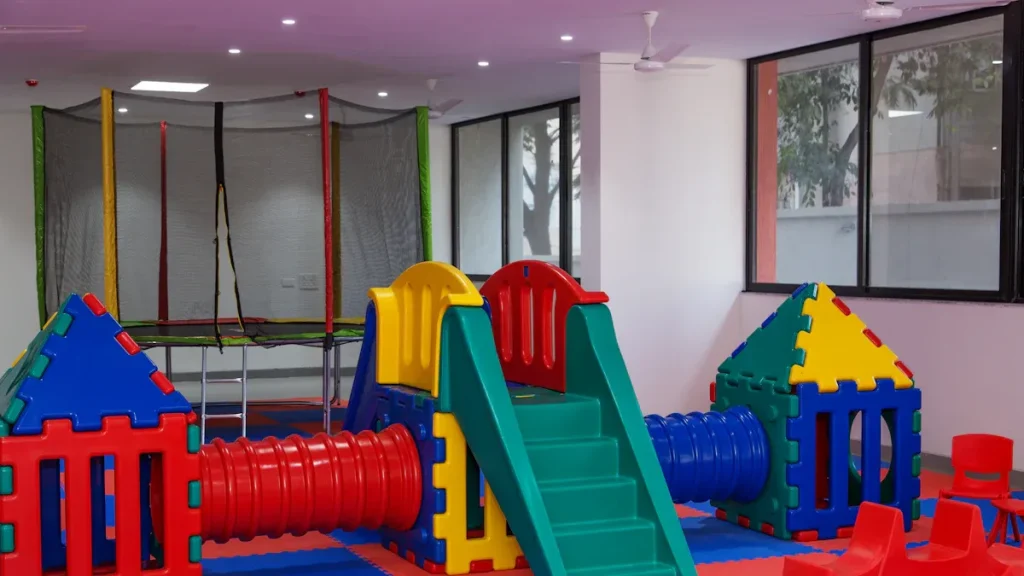
You might ask what makes an open indoor playground safe. The answer starts with people. Trained staff watch play areas at all times, looking for dangers before they grow. These workers know how to see a child who needs help or gear that looks worn out. They move through the space with a plan, checking every spot. Many places require staff to have First Aid and CPR training, including AED use for adults, kids, and babies. This means someone on site can act fast if a medical issue occurs. You will also see clear emergency steps posted near exits and staff areas. Everyone knows what to do if something goes wrong, which keeps the whole space calmer and more under control.
Safety rules exist for good reasons, and you will see them all over. Signs tell kids to go down slides feet first and wait their turn at the top of climbing frames. Staff gently remind children who forget these rules. The rules keep everyone safe. When kids follow them, the chance of crashes and falls goes way down. You help too. Your watching from the seating area backs up what the staff teaches. Children act better when they know both you and the team are paying attention. This team effort between parents and staff builds a safe space where kids can push their limits without getting into danger.
Staff Monitoring and Safety Rules
The best playgrounds treat watching kids as a real job, not an extra task. Staff get training that goes past just looking around. They learn how to scan a room the right way, catching small shifts in behavior or movement. They know how children grow, so they can tell normal risk-taking from real trouble. Some places use a special Playground Supervisor Training course that teaches these skills deeply. This kind of prep turns good intentions into real safety.
Staff also guide the flow of kids through busy spots. They make sure younger children do not wander into areas meant for older ones. This active work keeps the playground running well. You will see staff moving around all the time, not stuck in one place. Their presence alone stops rough play and encourages teamwork. When kids know someone is watching, they tend to make smarter choices.
Cleanliness and Equipment Maintenance
A clean playground is a safe playground. Places follow strict cleaning plans to keep germs away. Daily cleaning takes off dirt and mess from every surface, including each ball in the ball pit. Staff scrub spots people touch a lot, like handrails and door handles, many times each day. Weekly deep cleaning resets the whole space, going over every piece of gear fully. Monthly full cleaning handles built-up grime with a stronger sanitizing process. These steps matter because kids touch everything and often put their hands near their faces.
Equipment care follows a similar schedule. Daily checks look for trash, rust, or clear dangers. Monthly checks examine bolts, nuts, and connectors to make sure nothing has come loose. Yearly expert checks give a full safety review, catching issues that daily checks might miss. Ball pits get extra care, with deep cleaning at least four times a year. This layered method means problems get found early, before they can hurt anyone. When you visit, you can trust that the gear under your child has been checked and cared for.
Secure Entry and Clear Sightlines
Safety starts at the door. Most playgrounds use secure entry systems that stop children from leaving without an adult. You check in at the front desk, and staff confirm who comes and goes. Some places use wristbands that match between parent and child. Others have coded doors that only staff can open. These steps stop wandering and keep strangers out. You can relax knowing your child cannot slip away without notice.
The building design also helps keep things safe. Clear sightlines mean you can see your child from almost anywhere in the place. Seating areas sit in smart spots so you have a full view of several zones. No tall poles block your view. No dark corners hide what happens inside. This openness lets you watch without hovering. You can see your child climb a wall while you enjoy your coffee. The layout works with you, not against you.
Liben Play builds playground equipment that meets world safety standards like EN1176. This European rule covers structure safety, fall protection, and impact absorption. It focuses on safe fall heights and clear safety zones. Independent groups like TÜV Rheinland and SGS test gear for strength, material safety, and fire resistance. Playgrounds built to these rules have passed checks by local safety officials, including the strict reviews done in Holland and Norway. When you pick a place that follows these guidelines, you pick proven safety. The mix of trained staff, regular cleaning, secure entry, and smart design creates a space where children can play freely and parents can relax. That peace of mind makes every visit worth it.
Common Indoor Play Facilities
Ball Pits and Climbing Nets
Ball pits are a common sight at many indoor play places. You will find a big area filled with hundreds of soft, colorful plastic balls. Kids love to jump in, toss balls around, and hide under them. These balls are made from soft LDPE plastic, which cleans easily and works for all ages. Still, you should look for some warning signs. Cheap foam might have chemical flame retardants that give off harmful gases. If you smell strong chemicals when opening a package, that means off-gassing is happening. Good quality foam should not need to sit out for a long time.
A 2019 study in the American Journal of Infection Control found many types of bacteria in ball pits, including nine kinds of bacteria, staph, and waste germs. This shows why proper cleaning matters so much.
So pick a facility that cleans its ball pit on a regular schedule. The best playgrounds follow strict cleaning rules. Also, make sure balls are at least 7 cm wide so kids cannot choke on them. Babies under 9 months should stay out of ball pits completely.
Climbing nets are usually close by. These rope structures ask kids to pull themselves upward. They build hand strength and arm power. The nets also help with proprioception, which is how the brain knows where the body is in space. As children climb, they gain confidence in their movements. These activities work large muscles and boost coordination. The best indoor play spaces put ball pits and climbing nets together for a full-body workout that feels like play, not exercise. A good playground offers different options in every zone.
Slides, Tunnels, and Obstacle Courses
Slides come in many styles. You will see wave slides that curve and bend. Spiral tube slides twist around poles. Each one has safety parts like side rails, netting, and soft landing pads. Kids learn to go down feet first and take turns. These rules help everyone stay safe.
Tunnels let small children crawl through dark spaces. This helps them learn about space and body control. The tight space feels like a fun adventure. Obstacle courses bring all these parts together. You will find balance beams, stepping stones, and rope climbs. Kids make their way through the whole course. This tests their coordination and balance. Jumping into ball pits at the end helps the vestibular system. Crawling through tunnels improves proprioception. Coming to these playgrounds often builds a base for balance, strength, and flexibility. Every piece of equipment in these indoor play spaces helps with motor skills and active play.
Indoor Playground Equipment Features
Liben Play makes equipment that stands out. Their design team goes to international trade shows to follow new trends. This means you get fresh features that keep kids interested.
| Innovative Feature | Description |
|---|---|
| Global Trend Tracking | Design team adds new ideas to activity areas. |
| Custom & Themed Designs | Playgrounds built to fit any space or theme. |
| Interactive Activity Tables | Tables with bricks, trains, or crafts for motor skills. |
| Sensory Play Panels | Panels with sliding and spinning activities for fine motor skills. |
| Multi-Level Rope Courses | Climbing adventures with bright colors and challenges. |
| Customizable Climbing Walls | Walls changed to fit different themes and ages. |
| Safe Slide Options | Wave and spiral slides with rails and landing mats. |
| Ball Pits with Safe Materials | LDPE plastic balls that clean up easily. |
| Soft Play Structures | Padded areas for climbing and crawling. |
| Safety-Certified Equipment | All designs meet strict safety rules. |
These features make the playground a spot your child wants to revisit. The interactive tables and sensory panels add more choices. The themed designs turn a plain play space into an adventure. Everything uses strong materials that last and keep kids safe. Liben Play’s equipment supports physical activity, creativity, and playing with others. Good indoor play spaces focus on a safe, fun time. For families, this means a steady, enjoyable visit every time. These indoor playgrounds give hours of fun for your whole family. A quality playground includes all these parts for a great day out.
Planning Your Open Indoor Playground Visit
A little planning goes a long way. Your first trip to an open indoor playground should feel exciting, not stressful. Follow these simple tips, and you will have a smooth, fun day.
What to Wear and Bring
Dress your children in comfortable, stretchy clothes. They need to climb, crawl, and slide without restriction. Tie shoelaces tightly. Empty pockets. Remove jewelry. This prevents snags and falls. You should wear comfortable clothes too. Bring grippy socks for everyone. Many playgrounds require them for safety. The socks help kids keep their footing on soft surfaces.
Pack a water bottle. Children get thirsty running around. A change of clothes is smart too. Messes happen. Spills, sweat, or a surprise accident can turn a great day into a wet one. Check the playground’s rules on snacks before you arrive. Some places allow outside food. Others have snack bars. Knowing this saves you trouble.
The best playgrounds have a clean, well-maintained environment. Regular sanitization keeps play areas safe. Clean seating spaces for parents make the visit more comfortable. You want a place where you can relax while your kids explore. A playground with a clear design makes supervision easy. Separate zones for toddlers and older kids help everyone play safely.
Best Times to Visit
Weekday mornings are your best bet. The playground is quieter then. Your toddler will be rested and happy after a morning nap and snack. Fewer crowds mean less waiting. Your child can try every slide and climbing net without rush.
Keep the first visit short. End on a high note before your child gets overtired. This way, they will ask to come back. You want them to remember the fun, not the meltdown. A short visit also helps you learn the layout. You can spot the best zones for families. Next time, you will know exactly where to go.
Snack Breaks and Parent Amenities
Most playgrounds understand you need a break too. You will find lounge areas and snack bars nearby. Grab a coffee while your child plays. Sit in comfortable, accessible seating designed for longer stays. The seating is positioned for easy viewing. You can watch your child climb and explore without standing up.
Snack bars offer quick bites for hungry kids. Some places have healthy options. Others have treats for a special reward. Check ahead to see what is available. If the facility allows outside snacks, pack a small bag. A quick snack break keeps energy levels up. Your child can refuel and jump back into the fun.
The entire design of the playground supports family time. Clean spaces, safe equipment, and parent amenities make the visit enjoyable for everyone. With a little planning, your trip to this indoor play area becomes a smooth, happy experience. You get reliable indoor play options for families. The entertainment comes from watching your kids have the time of their lives. So grab your grip socks, pack a snack, and head out. A great day of play is waiting.
Running an Indoor Playground Business
Maybe you have thought about starting your own indoor playground business. The idea of making a place where kids play and families meet feels good. You also want it to earn money. The good news? A well-run playground can do both. Many places start making a profit in 2 to 3 years. Profit margins are usually between 15% and 25%. The secret is smart planning and many ways to make money.
Membership and Party Packages
Your indoor playground business needs regular money, not just busy weekends. Memberships give that base. Families pay a monthly cost for unlimited visits. They come more often because they already paid. You get steady cash flow. You also build a group of regulars who tell their friends.
Birthday parties are another big money maker. For family fun centers, parties often bring in 40-60% of all money. Bigger places hold 90-120 parties each week. The average party earns about $300. That adds up fast. Parents want simple parties. You offer a package with play time, a private room, and food. They book, come, and relax. You take care of everything.
Start with a simple membership level. Offer monthly and yearly choices. Add family plans that include siblings. For parties, make two or three package levels. A basic package has play access. Premium packages add decorations, food, and party gifts. Train staff to run parties well. A great party experience turns birthday guests into future members.
Custom Solutions from Liben Play
When you design an indoor playground, you need gear that fits your space and your idea. Liben Play makes custom solutions for just this need. You pick from themes like jungle, ocean, or space. Each theme changes your space into a pretend world. A jungle theme brings leafy roofs and animal shapes. An ocean theme adds shipwrecks and sea creatures. Space zones let kids pretend they are astronauts.
The design process starts with your building measurements. Liben’s team looks at your floor plan. They think about ceiling height, where pillars are, and how people move. Then they make a layout that gives the most play value. You get a playground that uses every square foot well. The gear meets world safety rules like EN1176. You can trust the quality.
Liben has shown its skill around the world. One big project opened in New Zealand as the country’s best indoor adventure park. The space covers 1,250 square meters and has over 30 activities. It became a local spot for families wanting safe, fun play. This project shows what custom design can do.
Turnkey Services for Operators
Starting an indoor playground feels like a lot. You worry about permits, building, and gear. Liben Play takes away that stress with full services. They handle everything from beginning to end. You get one partner for the whole trip.
The process moves fast. Design takes about one month. Setup needs only 2-3 weeks. Total time from design to setup is about 1.5 to 1.75 months. That speed means you open sooner and start making money faster.
Liben’s team handles making the gear in their factories. They send equipment all over the world. Their workers put everything together on site. They also give help on how to run things. You learn how to run daily tasks, manage workers, and tell people about your place. This help goes on after opening day.
Good projects happen all over the world. Besides New Zealand, Liben finished a family fun center in Israel. They also built a farm-themed playground in Wenzhou. Each project met local needs while keeping high safety rules. This world experience means they know different markets. They know what works for families everywhere.
Starting an indoor playground business takes bravery. With the right partner, it becomes possible. You get custom design, fast setup, and ongoing help. Your dream of owning a lively play space can come true. Families in your area will thank you.
Open indoor playgrounds offer so much for families at this playground. You got climbing zones, sensory play areas, and age-appropriate spaces for kids. Strong safety measures keep everyone safe. Trained staff watch the equipment. The smart design helps parents see children from their seats.
These playgrounds are built for worry-free fun. Kids can explore freely. A little planning makes your visit better. Families love the variety of zones and tips. Find a local playground near you. Plan your first trip today.
So grab your grip socks. Get ready for adventure. Your child’s next favorite playground is waiting. Share your tips in the comments below.
FAQ
What age groups can play at an open indoor playground?
Different zones serve different ages. Toddlers get soft, low areas. Older children find climbing frames and obstacle courses. This age-based design keeps everyone safe and challenged at their own level. Parents can relax knowing their child is in the right spot.
How does the indoor playground keep kids safe?
Trained staff watch every zone. Equipment gets cleaned and checked daily. Entry points stay secure. Clear sightlines let you see your child from the seating area. These steps create a safe space for active fun.
What should families bring for their first visit?
Dress kids in comfy clothes. Bring grip socks, a water bottle, and a change of clothes. Check the playground’s snack policy before you arrive. A little prep makes the playground visit smooth and fun for the whole family.
Are the play areas clean enough for toddlers?
Yes. Staff clean surfaces and ball pits daily. They sanitize high-touch spots several times a day. Monthly deep cleaning resets the whole space. This routine keeps the playground safe for little ones.
Do I need to stay and watch my child the whole time?
Yes, but you can do it from a comfy seat. Parent seating sits near every zone. You get a clear view of your child while you relax. This setup helps families enjoy the visit without hovering.
Can I book a birthday party at the playground?
Absolutely. Many playgrounds offer party packages. You get a private room, play access, and food options. It is a stress-free way for families to celebrate. Kids love the fun, and parents love the ease.
How long should our first trip to the playground last?
Keep it short. One to two hours works well for young children. End before they get tired. They will ask to come back. A good first visit makes families want to return.


