

What Is a Soft Play Indoor Playground and Why Is It So Popular?
A soft play indoor playground is a padded, indoor space built for young children to climb, jump, and explore safely. Picture foam blocks, vinyl-covered slides, ball pits, and soft climbing frames — all designed to cushion every tumble. You will find these indoor play areas in malls, daycares, and family centers. Parents love the peace of mind. Kids love the freedom. And business owners love the steady traffic. That mix of fun, safety, and real benefits keeps the soft play playground trend growing. So why does this indoor soft play concept work so well for everyone involved? Let’s take a closer look at the soft play area itself.
Key Takeaways
- Soft play indoor playgrounds have safe, padded areas. Kids can climb, jump, and explore without getting hurt. Parents can relax and not worry.
- These play areas help kids grow. Children build movement skills by climbing and sliding. They get better at social skills by playing with others.
- Indoor soft play is a good business that makes money. It brings a steady flow of families to malls and restaurants. The market grows by about 8% every year.
- Starting a soft play playground takes planning. Make a budget for equipment and space. Work with a trusted manufacturer for design and installation.
What Is a Soft Play Indoor Playground?

A soft play indoor playground is a padded, indoor space where young kids can climb, jump, and explore safely. Think of foam blocks, vinyl-covered slides, ball pits, and soft climbing frames. Everything is designed to cushion every tumble. You’ll find these indoor play areas in malls, daycares, and family centers. But what exactly goes into making one? And how does it stack up against the traditional playground you remember? Let’s dig into the details.
Key Features of Soft Play
When you walk into a soft play indoor playground, the colors and textures catch your eye right away. Thick padding covers every surface. Multi-level climbing frames let kids crawl up through tunnels. Slides curve down into ball pits. Soft blocks stack up and fall over without hurting anyone. Interactive panels with sounds and lights get kids curious. The whole setup makes a safe and exciting environment where kids can move around freely.
The materials behind these features matter a lot. Manufacturers build soft play equipment with several layers. A laminated board wood base gives it structure, usually about 1.5 cm thick. Pearl cotton adds a 4 cm cushioning layer. Sponge padding sits at 1 cm. PU leather or faux leather PVC wraps everything in a strong, easy-to-clean outer cover. Dense foam and V24 foam form the main padding, balancing softness with support. These materials keep kids safe while handling daily use.
Size and capacity change quite a bit. A small preschool setup might take up under 100 m². A large family entertainment center can stretch over 1,000 m². The general rule is to allow 1.5 to 2 square meters per child indoors. So a 100 m² space comfortably holds 30 to 45 children, depending on layout and age group. Ceiling clearance matters too. Soft play systems need 8 to 10 feet of overhead room, while taller slides might require 14 to 16 feet. That’s less headroom than steel-framed structures need, which makes soft play a flexible option for many indoor spaces.
Safety standards are another key feature. Responsible manufacturers follow strict guidelines.
| Standard | Region | What It Covers |
|---|---|---|
| EN 1176 | Europe | Structural safety, fall heights, entrapment prevention |
| ASTM F1918 | North America | Soft contained play equipment, padded containment |
| CE Marking | Europe | Compliance with EU directives (often alongside EN1176) |
| CPSIA | USA | Lead content, phthalates, chemical safety |
| NFPA 701 | USA | Fire retardancy of textiles and films |
Third-party testing from organizations like TÜV Rheinland, SGS, and Intertek checks load capacity, material safety, flame resistance, and impact absorption. When you pick soft play equipment that meets these standards, you know you’re getting a safe and stimulating environment for kids.
Soft Play vs. Traditional Playgrounds
How does all this compare to the outdoor playground you grew up with? The differences are pretty big. Traditional playgrounds live outdoors. That means weather decides when kids can play. Rain, snow, or extreme heat shuts them down. Indoor play areas stay open year-round, rain or shine. Parents love that predictability.
Surface material changes everything. Traditional playgrounds use rubber mats, wood chips, or sand underneath metal and plastic structures. Falls can still hurt. Soft play areas use thick foam padding on every surface. That cushion makes a huge difference for toddlers learning to walk or climb.
Age range differs too. You’ll see older kids on traditional playgrounds, swinging and climbing high. Soft play is built for younger children and toddlers. You’ll find rockers that gently sway, foam shapes that stack, and puzzle games that develop fine motor skills. Infants and babies can even join in with sensory panels at ground level. The equipment grows with them, supporting their development through active play and interactive play experiences.
Traditional playgrounds encourage rough, high-energy fun for school-age kids. Soft play focuses on safe exploration for little ones. Both have their place. But for parents of babies and toddlers, indoor soft play offers a controlled environment they can trust. That peace of mind keeps families coming back again and again.
Why Indoor Soft Play Is So Popular

Walk into a busy soft play center on a Saturday morning. You will see something great. Toddlers are climbing, laughing, and making friends. Parents are relaxing with coffee nearby. This shows why indoor soft play has become so popular. The benefits of soft play go far beyond just fun. They help child development, family life, and building community all at once.
Developmental Benefits for Children
The physical gains from soft play are easy to see. Children build gross motor skills by jumping and running on padded floors. They sharpen fine motor skills by grabbing foam blocks and moving small objects. Balancing on soft beams and going through obstacle courses helps coordination and agility. Every climb, crawl, and slide works their growing bodies in important ways.
Cognitive and sensory development get a boost too. Unstructured play sparks imagination. Kids make up games, solve problems, and explore textures, colors, and sounds. This sensory play builds brain connections that help learning. A safe and exciting space lets children take creative risks without fear.
The social experience might be the most important part. Shared play spaces encourage kids to interact and cooperate. Studies show that unstructured play with others improves communication skills and social confidence. Kids develop emotional intelligence and empathy through shared activities like obstacle courses and pretend play. They learn to solve conflicts naturally during group play. Self-esteem grows as children master challenges like climbing to the top of a soft structure. Returning often helps shy kids open up. They see familiar faces and build friendships. A fun and engaging environment makes all this happen without anyone forcing it.
Convenience and Peace of Mind for Parents
Parents love soft play for practical reasons. The weather never ruins the plan. Rain, snow, or extreme heat stays outside. You get a safe, supervised space where kids can burn energy any day of the year. That reliability matters for busy families.
Safety features give parents confidence. Padded surfaces, soft materials, and enclosed play areas lower injury risk. You can relax while your children explore. Many parents find this peace of mind very valuable. They know their kids are having fun in a safe setting.
The benefits spread to the whole family. Parents meet other families. Siblings play together. Everyone stays active and engaged. Soft play centers keep children entertained for hours. That gives parents a real break. This mix of safety, convenience, and social connection explains why indoor playground businesses keep growing. Families come back week after week. The experience gives real value for everyone involved.
The Business Value of Soft Play
Why Soft Play Is a Smart Investment
You already know soft play makes kids happy. But it also makes good business sense. A soft play area brings families back again and again. That steady flow of people helps shopping malls, restaurants, and family centers earn more money. The numbers prove it. The global indoor playground market is growing fast.
| Metric | Projected Growth Rate | Time Period |
|---|---|---|
| Compound Annual Growth Rate (CAGR) | ~8% | Next five years |
| Annual Growth Rate | 9.9% | 2026–2033 |
That growth means there is a chance for you. You can join the market with the right partner. Liben Play is a trusted maker of indoor playground gear. The company has ISO9001, GS, and EN1176 certificates. These show the equipment meets high safety and quality rules. Liben Play works around the world. It has finished over 1,500 projects in 80 countries. That includes places like New Zealand, Israel, and Wenzhou. You get proven know-how with every order.
Starting small does not mean starting without a plan. A small toddler zone or play café of 2,500 to 5,000 square feet usually costs between $50,000 and $150,000. That amount covers play gear, café setup, and remodeling. For a standard 5,000 square foot commercial space, plan to spend $150,000 to $400,000. That range includes play structures, safe flooring, professional setup, insurance, and lease deposits. These numbers help you plan without guessing.
Where Indoor Playgrounds Thrive
Location is very important for any soft play business. You will find successful soft play centers in many types of places. Shopping malls like them because families stay longer. Family entertainment centers use them to bring in younger kids. Daycare centers and kindergartens add soft play gear for daily activities. Restaurants put in small soft play areas so parents can eat while kids play nearby.
Each location has its own pluses. Malls have lots of people walking by. Daycares get regular visitors every day. Restaurants see customers stay longer. Soft play gear works well in all these places. You just need the right design and the right partner. Liben Play offers high-quality commercial soft play gear made for your space. Whether you run a small café or a big entertainment center, the right soft play setup can change your business.
How to Start a Soft Play Indoor Playground
Budgeting, Space, and Equipment
Starting a soft play indoor playground needs careful planning. Your budget for soft play equipment depends on three big things: the size of your space, the theme you choose, and the equipment you need. A small toddler zone costs less than a large family center. You also need to plan for installation and professional setup. Getting these numbers right from the start saves you trouble later.
Space planning is just as important. For low-impact soft play, you need 25 to 35 square feet per child. For active zones with climbing and slides, plan for 40 to 50 square feet per child. That helps you figure out how many children your indoor playground can hold. Ceiling clearance matters too. Basic soft play structures need 8 to 10 feet of headroom. Taller slides need 14 to 16 feet. Measure your space carefully before you order soft play equipment.
Liben Play makes the process easy with turnkey service. They handle design, production, shipping, installation, and operational guidance. The typical timeline looks like this:
| Phase | Typical Duration |
|---|---|
| Design and Revisions | 1 to 4+ weeks |
| Production | 6 to 10+ weeks |
| Shipping | 4 to 8+ weeks |
| Installation | 1+ week |
You can prepare your site while soft play equipment ships. That saves time and gets you open faster. Liben Play also offers themed options like jungle, ocean, space, and soft stylized designs. Each theme gives your space a unique look that attracts families and keeps kids coming back.
Maintenance and Safety Essentials
Keeping your soft play equipment clean is key for long-term success. Durable materials like PU leather and PVC make wiping surfaces simple. That keeps maintenance costs low over time. A daily wipe-down removes dirt and spills before they become problems. Quality soft play equipment made with these materials lasts years with basic care.
Safety inspections happen at four levels to protect children. Here is what industry standards recommend:
| Tier | Frequency | Who Performs | Key Checks |
|---|---|---|---|
| Daily | Each operating day | Floor staff | Visual scan for damage and debris |
| Weekly | Once per week | Lead staff | Padding wear, fastener torque, vinyl tears |
| Quarterly | Every 90 days | Trained inspector | Entrapment testing, fall zone checks |
| Annual | Once per year | Independent CPSI | Full compliance audit, drop testing |
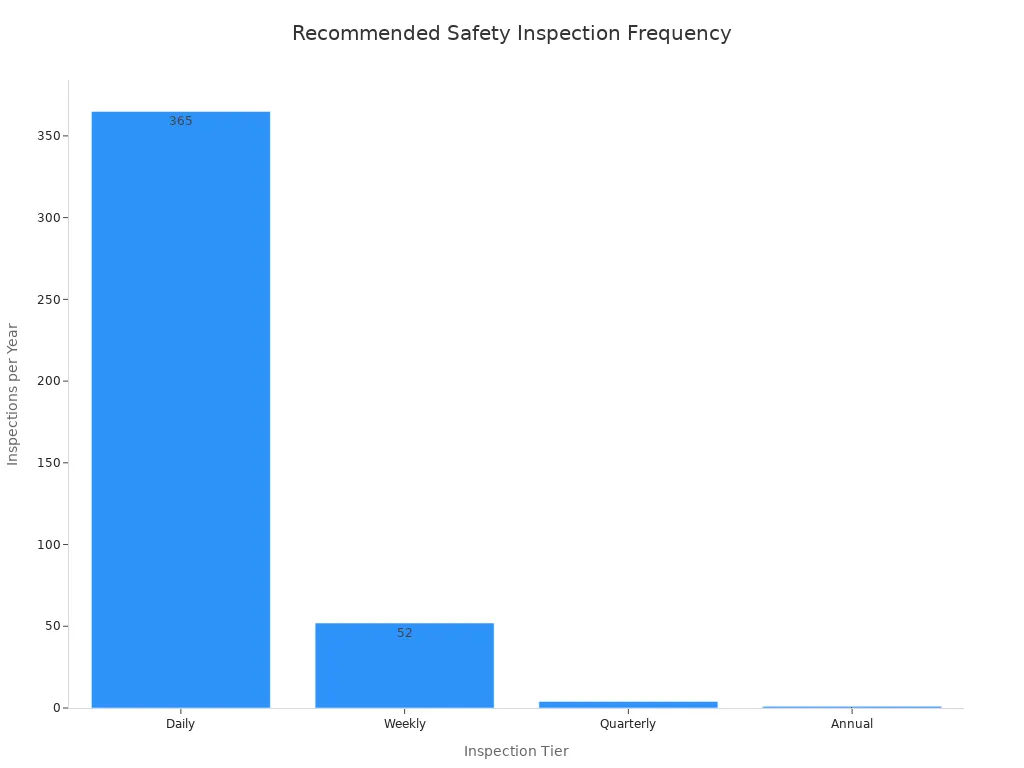
This four-tier system gives real safety assurance. Daily checks catch small problems early. Annual audits confirm everything meets standards like EN 1176. Following these steps keeps your indoor playground safe for every visitor. Your soft play equipment will stay in top condition with regular inspections.
When you invest in quality soft play equipment, maintenance stays manageable. Kids get a clean, fun environment to explore. You get peace of mind knowing your business runs smoothly year after year.
A soft play indoor playground blends fun, safety, and real growth for children. Padded surfaces let kids explore without fear. Every climb and slide supports their development. Parents trust the safe, weather-proof space. Business owners love the steady traffic and repeat visits.
The benefits keep growing. You get a soft play area that serves families all year. Indoor soft play turns any space into a destination. Quality soft play equipment delivers lasting value. A well-designed soft play playground builds community. The soft play area you create today shapes tomorrow’s family entertainment. So invest with confidence. Your soft play equipment will keep children smiling for years.
FAQ
What age group is soft play for?
Soft play is best for toddlers and kids up to age 6 or 7. Some centers have areas for older children too. The padded surfaces make it great for little ones who are learning to climb and explore.
Is soft play equipment safe?
Yes. Companies make soft play equipment to follow strict safety rules like EN1176. Thick foam padding covers every surface. Regular inspections keep everything in good shape. You can relax while your kids have fun.
How do you clean an indoor playground?
Wipe it down every day with mild soap to remove dirt and germs. Check each week for wear or damage. Strong materials like PU leather make cleaning easy. Soft play equipment stays clean with regular care.
Can you customize a soft play indoor playground?
Absolutely. Companies like Liben Play offer themed designs like jungle or space. You pick the size and features for your space. Turnkey service takes care of everything from design to installation.
Does soft play help children develop skills?
Yes. Climbing and sliding build motor skills. Interactive play sparks imagination. Sharing space with other children teaches cooperation. Soft play equipment supports physical and social growth in a fun environment.


