

Top 10 Marketing Strategies for Trampoline Parks in 2026
In 2026, your local entertainment market is crowded. Families have more choices than ever, so your trampoline park must earn their attention. This post ranks ten trampoline park marketing strategies. Each entry explains what the strategy is, how it works, and its pros and cons. Together, these trampoline park marketing tactics help you build a stronger brand image, gain greater visibility, and drive higher revenue. You will see how smart trampoline park marketing turns casual visitors into loyal customers and keeps your parks busy all year. The right trampoline mix starts here.
Key Takeaways
- Claim your Google Business Profile and gather reviews to help families find your park nearby.
- Give memberships and rewards to turn one-time visitors into regular customers.
- Use email and text messages to remind families about special events and quiet hours.
- Share short videos and customer photos on social media to build trust and reach new people.
- Work with local schools and groups to share the news and build trust in the community.
Why Trampoline Park Marketing Works in 2026
One strategy alone rarely makes a big difference. The ten strategies in this guide support each other. Research makes your message sharper, local search puts you in front of nearby families, and social proof builds trust. Together, they improve the park’s brand image, grow your visibility, and turn attention into revenue. Each layer makes the next one stronger.
For most operators, the strongest mix combines local SEO, memberships, email marketing, and automated promotions. Local SEO helps families find your trampoline park when they search nearby. Memberships give those families a reason to come back. Email keeps you in their inbox between visits. Automated promotions fill quiet hours without extra staff time. This combination reaches families where they already pay attention and turns interest into repeat visits.
Marketing for a trampoline park works because it meets families at every stage of the decision. A parent searches for weekend plans, sees your reviews, joins a membership, and books a party. Each touchpoint builds the brand image and keeps your trampoline parks top of mind. The same system serves new customers and loyal regulars alike. You do not need every tactic at once. You need a coordinated set that fits your budget and your audience. That coordination is what separates busy parks from quiet ones.
1. Audience and Competitor Research
Know Your Target Families
Effective trampoline park marketing begins with a clear picture of the people you serve. You need to know who books the parties, who buys the memberships, and who decides on a rainy Saturday outing. Parents usually hold the budget. Kids hold the enthusiasm. Your messaging must speak to both.
Start with simple questions. What ages visit your park most? Which zip codes do they come from? What do they say in reviews? You can gather much of this from your booking system and front-desk conversations. Define your target audience in plain terms, then write a value proposition that matches their needs. A family seeking a safe toddler hour responds to different words than a teen planning a birthday bash.
This research costs little and delivers high clarity. You will know exactly whom your marketing should reach. The tradeoff is time. Interviews, surveys, and booking data reviews take hours you could spend elsewhere. Treat the effort as a foundation, not a one-time task.
Study Local Competitors
Competitor research is an important step in building the marketing plan. Look at every nearby trampoline park, climbing gym, and family entertainment center. Visit their websites. Read their reviews. Follow their social accounts for a month. Note their pricing, their promotions, and the events they run.
Your goal is not to copy them. You want to find the gaps. Perhaps they ignore weekday mornings. Perhaps no one offers a quiet session for young children. Each gap becomes a chance to sharpen your own marketing method. A clearcut marketing plan shows where your park wins and why customers should choose you.
This step also costs little and brings high clarity about the local field. The downside is the same time investment. Careful tracking of several competitors takes steady effort. Still, the insight pays off. You will position your trampoline parks with confidence and avoid wasted spend on crowded messages.
2. Local SEO for Trampoline Park Searches
A strong SEO strategy helps more people find your trampoline park in voice and online searches. Families hardly ever scroll past the first few results. They ask a phone or type a quick question, then pick fast. Local search rewards the park that shows up first with clear, correct details.
Google Business Profile Basics
Your Google Business Profile is the front door for local search. Claim it, then fill in every field: hours, address, phone, photos, and a short description with location keywords like your city and neighborhood. Add your booking link. Post updates for seasonal events.
Reviews really matter. Ask happy customers for a review after each visit, and reply to every one. A steady flow of new reviews shows trust to both searchers and search engines. Location keywords in reviews help too, so invite guests to mention their visit in a natural way.
The pros are clear. Setting up your profile costs nothing and gives you steady organic (non-paid) marketing options. The cons involve upkeep. Hours change, photos get old, and reviews need replies. Skip the upkeep and your ranking drops.
Voice and Online Search Visibility
Voice search changes how people find your trampoline parks. In 2025, smartphones make up 56% of all voice-search device usage, according to Synup. A parent asks a phone for “trampoline park near me” and hears the top results. Your profile must answer that question with correct hours and location.
Mobile local search leads to real visits:
“88% of mobile local searches lead to business visits within 24 hours” — Map Labs
Build your marketing plan around that behavior. Keep your name, address, and phone the same everywhere online. Use natural phrases in your content, the way people speak. This consistency lifts your visibility across voice and typed searches.
The upside is fast, measurable reach. The downside is patience. Rankings build over weeks, not days. Still, this foundation supports every other tactic you run.
3. Short-Form Video and Social Media
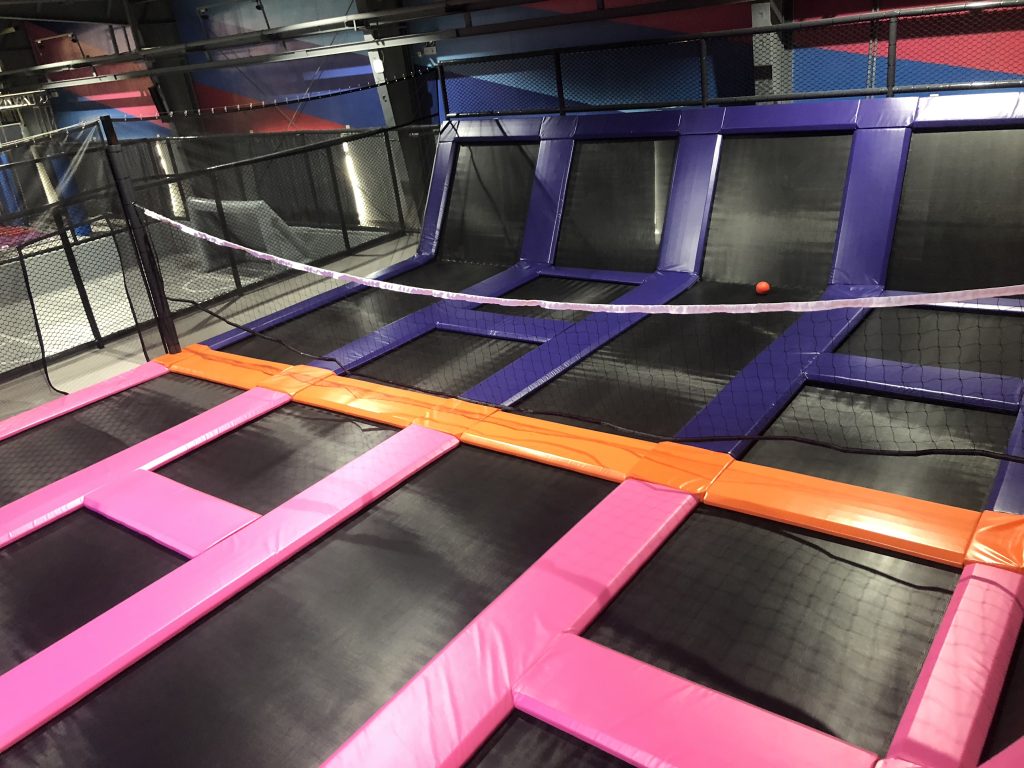
Marketing Activities for Trampoline Park Audiences
Short videos help build your brand image quickly. A slow-motion trampoline flip makes people stop scrolling. A fifteen-second clip of a dodgeball game or a toddler’s first bounce shows families what a visit is like. You make a strong first impression before anyone even walks in the door. Post often on the platforms your audience uses, and keep your social media profiles up to date with hours, events, and booking links. These marketing activities for trampoline park audiences turn casual scrollers into paying guests.
Show real moments. Film birthday parties, staff demonstrations, and behind-the-scenes setup. Add captions with your city name so local families can find you. Reply to comments quickly, and pin your best booking offer. This approach shapes how people see the trampoline park as a fun, safe, and welcoming place. Pair video with other marketing activities like email and local search.
The pros are reach and cost. Video content spreads fast and costs little beyond a phone and your time. Many trampoline parks see their first bookings come from a single viral clip. The cons are consistency. Algorithms reward parks that post often, and gaps in your schedule shrink your audience.
Contests and Photo Challenges
A photo contest like a “Best Trampoline Jump” contest drives engagement and helps you gain followers. Ask customers to post a photo or clip, tag your account, and use a hashtag. Offer a prize like a free party or a month of membership. Feature the best entries on your feed.
Contests can bring in serious volume. Visit Mesa ran a community photo contest with a goal of 200 photos and gathered close to 500 user-generated photos in about two weeks. ShortStack tested its branded-frames feature with its own photo contest and collected nearly 3,000 entries. Your trampoline park can expect strong participation with a clear theme and an attractive prize.
The pros are engagement and free content. Entries fill your feed and extend your reach. The cons are moderation and prize costs. You must review entries, confirm rules, and manage winners fairly.
4. Paid Ads and PPC Campaigns
Targeted Social Ads
Paid social ads put your trampoline park in front of families who already show interest in local fun. You can target parents by zip code, age of children, and interests like birthday parties or youth sports. A short video ad for a weekend special reaches the right households fast. You set the budget, and the platform does the delivery work.
Targeted ads also support your other marketing. Retarget people who watched a video or visited your booking page but did not buy. Offer a small incentive, such as a discount on a first visit. This approach engages customers at the moment they are deciding.
Search and Retargeting Ads
Search ads capture families with clear intent. A parent who types “trampoline park near me” sees your listing at the top of the results. You bid on location keywords and pay only when someone clicks. Retargeting ads then follow up with visitors who left without booking.
PPC and social ads work together to maximize park success. Search brings in ready buyers, and retargeting brings back the undecided ones. Track clicks, bookings, and cost per visit so you know which ads earn their keep. Adjust your bids and creative each month based on that data.
The pros are speed and proof. Paid campaigns reach local families within days, and every dollar is measurable. The cons are ongoing budget needs. Ads stop working the moment you stop paying, and costs rise when competitors bid on the same terms. Set a monthly cap and review results often. This keeps your trampoline parks visible without draining the budget.
5. Email and SMS Campaigns
Seasonal Send Timing
Email and SMS campaigns keep your trampoline park in front of families between visits. Timing decides whether they open your message or ignore it. Send spring break and summer camp campaigns 2-3 weeks before each break starts. Parents plan childcare and outings early, so an early message claims a spot on their calendar before other options appear.
SMS should play a big part in this plan. According to data shared by Emarsys, 75% of customers picked SMS over other marketing methods when asked how they like to get promotional content. A short text about camp registration reaches parents where they already look. Pair each send with a clear deadline and a booking link.
The pros are direct reach and low cost. A text lands in seconds and costs much less than a paid ad. The cons are list fatigue. Too many messages push people to unsubscribe, so limit sends to key moments.
Daily Schedules and Programming
Every campaign should include specific daily schedules and special programming. List open hours, toddler sessions, teen nights, and any holiday events. A parent who sees a Tuesday morning slot for young children can plan around it. Vague messages like “come jump with us” give them nothing to act on.
Show the value of each session. Name the activity, the age group, and the time. Highlight a promotion such as a weekday discount or a party package. This detail turns a general message into a reason to visit your trampoline parks this week.
The pros are clarity and conversion. Specific schedules answer real questions and cut down on phone calls. The cons are upkeep. Schedules change, and outdated messages wear down trust. Review each send before it goes out.
6. Loyalty and Membership Programs for Trampoline Parks
Recurring Revenue Design
A membership program turns one-time guests into regulars. You offer a monthly pass with unlimited jumps or a set number of visits. Families pay once and come back often. Each visit builds a habit, and habit builds loyalty. This setup gives your trampoline park a revenue base you can plan around.
Build the offer around value, not just discounts. Add perks like early party booking, a free guest pass each month, or member-only jump hours. Set the price so it rewards frequent visitors without hurting single-ticket sales. Check sign-up numbers and visit frequency every quarter. Adjust the tiers as demand changes.
The pros are strong. Memberships create steady revenue and regular foot traffic on quiet weekdays. The cons involve setup and management work. You must build the billing system, train staff on the rules, and handle cancellations fairly. Expect some upfront time before the program pays off.
Continuous Purchase Rewards
Continuous purchase rewards keep customers coming back between membership renewals. A simple points system works well. Guests earn points for each visit, each snack purchase, and each party booking. They redeem points for free jumps or branded gear. This approach gives every guest a reason to pick your trampoline parks again.
Pair rewards with your marketing calendar. Promote double points during slow weeks. Send a reminder when a guest gets close to a reward tier. Track redemption rates to see which rewards drive visits. Retire rewards that few people claim.
The pros are repeat visits and stronger relationships. Rewards make guests feel recognized and give them a clear next step. The cons are ongoing management. You must maintain the tracking system, prevent abuse, and keep the reward catalog fresh. Small parks can start simple and grow the program as volume increases.
7. Promotion Ways for Trampoline Park Marketing
Raffles, Giveaways, and Trial Experiences
Common promotion ways for trampoline park marketing include gifts, raffles, trial experiences, guessing riddle games, and competitions. A trampoline park uses gifts well when the prize matches a visit. Offer a free jump pass instead of a generic item. Run a raffle at a local fair, and collect names and emails at the booth. A trial experience lets a hesitant family test the park at low risk. A guessing riddle game near the front desk gives kids a reason to linger and parents a reason to return. Competitions, such as a jump-off or a dodgeball tournament, create buzz and fill your calendar.
Each of these tactics works as a low-cost marketing method. They build goodwill and put your brand in front of new customers. The pros are clear: low cost, strong word of mouth, and easy setup. The cons involve follow-up. A giveaway without a contact capture wastes the effort, and prizes cost money. Track every entry so each promotion feeds your email list.
Party and Group Packages
Party and group packages convert promotions into bookings. A raffle winner who claims a free pass often brings friends. Offer that winner an upgrade to a full party package at a set price. Schools, scout troops, and sports teams book group rates when you present a clear offer. Build packages with a set time, a food option, and a dedicated host. Then promote them through your social channels and email list.
This approach turns a single promotion into a repeatable revenue stream. The pros are higher ticket values and predictable group bookings. The cons are staffing and coordination. Parties need hosts, cleanup, and firm schedules. Start with one package and refine it before you add more.
8. Community and School Partnerships

Local Group Outreach
Working with local schools and community groups helps more families learn about your park. Reach out to school leaders, parent-teacher groups, and youth sports leagues nearby. Offer a group rate for field trips or end-of-season parties. Sponsor a school fundraiser or set up a booth at a local festival. Each partnership puts your trampoline park in front of parents who already trust the group. That trust carries over to your business.
Start small and build relationships over time. Host a teacher appreciation night. Invite scout troops for a badge event. These efforts create steady word of mouth and help your overall marketing plan. The pros are strong local credibility and low cost. The cons are slow results. Partnerships take weeks to develop, and you must keep every promise you make.
Safety and First-Impression Messaging
Focusing on safety helps bring in customers and creates a strong first impression. Parents worry about injuries, so show your safety rules, trained staff, and padded surfaces in every message. Offer a parent lounge with a clear view of the jump area. A comfortable lounge gives parents a reason to stay and come back. These details support the brand image you want families to see.
Use your partnerships to share this message. Send safety information to schools before a group visit. Post photos of your staff training on social channels. A strong first impression when the park opens sets the tone for years. The pros are trust and repeat visits. The cons are the cost of staff training and lounge upkeep. Still, safety messaging helps attract customers who might otherwise hesitate. It also supports brand publicity of the trampoline park across the community. Every trampoline session should feel supervised and secure. These parks win loyalty when parents feel confident.
9. User-Generated Content Campaigns
Customer Photos and Reviews
Your guests make strong content every time they come to your park. A parent shares a birthday party photo. A teen posts a flip video. A reviewer talks about a clean, safe afternoon. These posts build trust faster than any ad you could write. Families trust other families. Each shared photo helps you reach friends and neighbors at no cost.
Reviews matter just as much. A steady flow of new reviews shows new customers what to expect. Ask guests to name their city or neighborhood in the review. That detail also helps people find you in local search. A simple sign at the exit or a follow-up text can remind them to post.
Sharing and Reposting Workflow
Set up a simple process for collecting and sharing this content. Ask guests to tag your account and use a park hashtag. Check the tag each week and ask for permission before you repost. Keep a folder of approved photos for your social calendar. Always give credit to the original poster.
This process keeps your feed full of real moments. It also shows guests that you see them. A reposted photo often gets more engagement than a polished ad. Being real is the whole point.
The pros are clear. Customer photos and reviews build trust and extend your reach at low cost. The cons are the moderation work. You must review submissions, get permission, and remove anything inappropriate. Assign one staff member to manage the queue. That small effort keeps your trampoline park marketing honest and steady. For any trampoline park, this habit turns happy guests into a steady content engine. Parks that repost often see stronger engagement across their channels. A light trampoline theme in captions ties the content together.
10. AI-Assisted Marketing Tools
Content and Scheduling Support
AI tools now take care of much of the daily work behind your trampoline park marketing. You can draft captions, blog outlines, and email copy in minutes instead of hours. Scheduling tools then post each item at the best time for your local audience. The time you save adds up fast. ZoomInfo’s 2025 research reports that marketing teams using AI save an average of 11 hours per week, while also achieving 44% higher productivity than teams without it. Those hours free your staff to greet guests and run events.
Start with one clear task. Ask an AI tool to write five social captions for a toddler session. Edit the draft in your own voice, then schedule it across your channels. Repeat this workflow each week and build a library of approved templates. The pros are speed and consistency. Your feed stays active even during busy weekends. The cons are accuracy. AI can make up details about hours, pricing, or safety rules. A staff member must review every draft before it goes live.
Automated Promotions
Automated promotions keep your trampoline park visible without constant manual work. You can set rules that trigger a text or email when a guest has not visited in a month. Another rule can send a birthday party offer two weeks before a child’s big day. These automated marketing activities fill quiet hours and bring families back on schedule. Set the rules once, then monitor results monthly.
Automation also supports your seasonal calendar. Load your spring break and summer camp messages in advance, and let the system send them at the right moment. The pros are efficiency and reach. Your promotions run around the clock, even when the office is closed. The cons are the need for human review. A mistimed or repetitive message can annoy loyal guests. Check every automated sequence before launch, and pause any rule that underperforms. Smart use of AI keeps your parks competitive through 2026.
Keeping the Calendar Updated
A correct calendar is one of your best tools for bringing in customers. New families check your hours before they plan a visit. Returning members check the schedule before they book a party. An out-of-date calendar breaks that trust fast. If your page shows last month’s hours, a parent may drive to a competitor instead. Update your calendar every week, and confirm every change before it goes live. Post holiday hours, toddler sessions, and teen nights in one place. Then link that page from your website, your Google Business Profile, and every social channel.
Your calendar also powers your seasonal campaigns. The spring break and summer camp messages you send weeks in advance only work when the dates behind them are correct. Load each event into the calendar first, then build the promotion around it. A weekday discount or a party package needs a clear start and end date. When the dates shift, update the calendar and the campaign together. This habit keeps your trampoline park marketing consistent and prevents mixed messages.
Treat the calendar as a living document for your whole team. Give front-desk staff a simple way to flag changes. Review the next thirty days at your weekly meeting. Check that every scheduled event has a matching email, text, or social post behind it. This rhythm supports your trampoline sessions, your group bookings, and every seasonal push you run. A current calendar helps you win first-time visitors and keep loyal families coming back all year.
The ten strategies work best when you use them together. One strategy by itself rarely makes a big difference. A strong trampoline park marketing plan connects research, search visibility, and repeat-visit programs into one system. That system lifts the park’s brand image and turns attention into revenue.
Start with the tactics that fit your budget, your audience, and your current online presence. A park with a small online footprint should fix local search first. A park with steady traffic can focus on memberships and email. Build one layer, measure it, then add the next.
Platforms and local competitors will change through 2026. Review your mix each quarter. Keep the trampoline park flexible, and your brand image stays strong. Every trampoline visit becomes a chance to earn loyalty.
FAQ
Which strategy should a new trampoline park try first?
Start with local search. Claim your Google Business Profile and fill in every field. Families search nearby before they search anywhere else. This step costs nothing and supports every other tactic you add later. Build reviews next, then layer in email and memberships as your list grows.
How much time does this marketing mix take each week?
Expect a few hours for social posts, review replies, and calendar checks. Email and SMS sends take longer around spring break and summer camp season. Automate what you can, then review every draft before it goes live. One staff member can manage the core tasks with a clear weekly rhythm.
How do you measure whether these strategies work?
Track bookings, cost per visit, and review volume. Compare quiet weekdays before and after a promotion. Watch membership sign-ups and repeat visit rates each quarter. Paid ads give you click and conversion data within days. Local search results build more slowly, so check rankings monthly rather than weekly.
使用上下箭头键调整元数据面板的大小。
Can a small park compete with a large chain nearby?
Yes. Local search, community partnerships, and user-generated content reward the park that shows up consistently. A large chain rarely matches your neighborhood relationships or your response time to reviews. Focus on the families closest to you, and let their photos and referrals do the reach work.
When should seasonal campaigns go out?
Send spring break and summer camp messages 2-3 weeks before each break starts. Parents plan childcare and outings early. Load the dates into your calendar first, then build the promotion around them. Update both together whenever a date shifts.
使用上下箭头键调整元数据面板的大小。
使用上下箭头键调整元数据面板的大小。


