

Playground China Guide Indoor vs Outdoor Equipment

You face a real choice when you source a playground china project. The right pick between indoor and outdoor playground equipment depends on four things: your space, your budget, your climate, and the users you serve. Neither type wins by default. Each one fits a different job.
This guide compares both options on materials and durability, safety features, space and climate fit, and compliance and cost. You will see where indoor soft play shines and where outdoor steel and treated wood hold up better. The goal is simple. You get neutral, practical guidance to match a playground to your site, not a sales pitch for one style.
Key Takeaways
- Pick indoor equipment for small spaces. It works well in a controlled climate and can be used steadily all year.
- Pick outdoor gear for open ground, groups with kids and adults, and weather that changes.
- Indoor equipment costs less at first, but you have to replace the soft parts often.
- Outdoor equipment costs more at first, but it lasts a long time with regular checks and proper care of the surface.
- Always check safety certificates and test reports for the specific product before you buy from China.
Materials and Durability
The materials used set these two types apart more than anything else. Indoor systems depend on soft play parts: padded structures, foam blocks, climbing ropes, vinyl-coated padding, and themed finishes. Outdoor systems use galvanized steel, treated wood, and UV-resistant plastics. Each set of materials fits the space it is made for.
Indoor Playground Equipment from China
Indoor playground equipment from china usually uses PVC-covered foam, soft padding, rope nets, and printed themed panels. These materials work well in controlled indoor spaces. They stay dry, avoid direct sun, and keep their color in steady conditions. Check foam density, coating thickness, and fire performance before you buy. Liben Play builds safe, quality-built indoor playground equipment to EN 1176 and backs it with ISO 9001, ISO 14001, and ISO 45001 certifications. This manufacturer also offers custom indoor playgrounds with jungle, ocean, and space themes.
Soft materials wear out faster when traffic is heavy. Plan to replace pads, nets, and printed panels from time to time. Set aside money for this from day one. An indoor playground from china often ships as a modular kit, so ask about spare-part availability. A commercial indoor playground equipment buyer should confirm this early. A controlled climate protects soft goods, but friction and foot traffic still limit their life.
Outdoor Materials and Durability
Outdoor playground equipment must survive rain, wind, frost, and ultraviolet light. Galvanized steel frames resist rust. Treated wood handles moisture and insect pressure. UV-resistant plastics keep their color and strength under strong sun. These materials often cost more upfront, but they give long service life in open sites. Ask any playground from china supplier for coating specs and plastic UV ratings. Request test reports before you commit.
Outdoor playground equipment needs soft parts replaced less often, because it has few of them. Steel and wood still need inspection for rust, splinters, and loose fittings. Indoor gear fits a controlled climate. Outdoor gear fits exposure. Match the material to your playground site, and durability follows.
Safety Features Compared
Fall height, surfacing, entrapment, and padding work in different ways indoors and outdoors. These differences show how each design fits its space, not which type is safer. You should check each system against the standard that applies to its setting.
Indoor Safety Design
Indoor playground safety focuses on soft containment. Padded floors, foam-wrapped posts, and closed netting limit how far a child can fall. Entrapment checks look at gaps between nets, pads, and frame joints, because small limbs can slip into tight spaces. Padding thickness matters more indoors, where children climb, slide, and tumble in close quarters. You will find indoor playground equipment built to EN 1176, the European standard for playground equipment. Chinese suppliers such as Happy Zone state compliance with EN 1176 and EN ISO 23659, and they supply TÜV and SGS inspection reports for each completed set. Ask for equipment-specific reports, not generic model certificates.
Outdoor Safety Design
Outdoor playground safety must account for greater fall heights and open exposure. Surfacing becomes the main control. Loose fill, rubber tiles, and synthetic turf absorb impact across a defined fall zone. EN 1177 sets the test method for impact-attenuating surfacing, so check that your surface meets it for the height of the tallest platform. Entrapment rules also get stricter outdoors, where moving parts and open structures create more pinch points. Outdoor playground equipment needs regular inspection of bolts, coatings, and footings. Liben Play takes part in drafting Chinese national standards and holds GS certification plus IPEMA and ITAP membership. That background helps you verify safety standards when you source playground equipment from china. Both designs protect children well when you match the system to its site and confirm the paperwork.
Space, Climate, and User Fit
Indoor Space and Climate Advantages
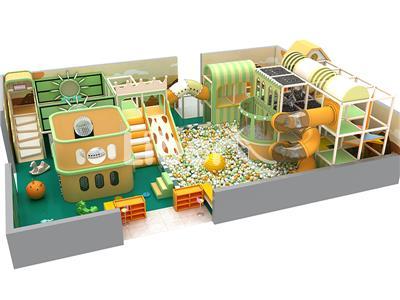
Indoor play works best when your floor space is fixed and the weather can’t be trusted. A mall, daycare center, or family entertainment center gives you a set area to work with. You can build climbing frames, slides, and rope courses upward to use the room’s height. An indoor playground from china often comes as a modular kit, so you can adjust the layout to fit an oddly shaped space. Rain, heat, and cold stay outside. That means you can stay open all year and keep visitor numbers steady.
Climate control also protects your investment. Soft padding, nets, and printed panels last longer when kept away from sun and moisture. You control the temperature, so children stay comfortable on the hottest or coldest days. This setup suits crowded cities where open land is hard to find. It also suits operators who want steady traffic and easy daily cleaning.
Outdoor Space and Age-Group Fit
Outdoor play needs open ground and weather that allows regular use. A park, schoolyard, or residential compound gives you room for spread-out structures and clear views across the site. Outdoor playground equipment handles fresh air, big movement, and mixed age groups well. You can divide the site by age, with lower structures for small children and taller challenges for older ones. Galvanized steel and treated wood hold up against rain and sun.
Your local weather shapes the design. A wet climate calls for good drainage and slip-resistant surfaces. A hot, sunny region calls for shade and UV-resistant plastics. Outdoor sites also serve a wider range of ages, because open space lets you keep toddlers apart from bigger kids. Choose outdoor gear when you have land, when the climate works with you, and when you want active, whole-body play. Choose indoor gear when space is tight and weather is a risk. Either way, match the playground to your site and your users.
Standards and Buying from China
Chinese and International Standards
Start with the paperwork. Ask every supplier for ISO 9001, which covers quality management. Then ask for product-level reports tied to EN 1176 or ASTM F1487, the safety rules made just for playgrounds. CE, TUV, and GS marks are strong signs of a global quality promise. Chinese national standards count too, and a serious factory will show you how its designs meet them.
Check the documents yourself. Ask for copies of each certificate and cross-check business licenses on official sites like China’s National Enterprise Credit Information System. Make sure test reports match the exact materials and modules you plan to buy. A generic certificate for a different model tells you little about your order.
Tips for Buying from China
Sourcing playground equipment from china can save buyers 30–50% versus Western suppliers. Keep that saving with a clear process:
- Set your footprint, age groups, throughput goals, and budget before you contact anyone.
- Send an RFP that asks for CAD or 3D designs, a bill of materials, lead times, certifications, warranty terms, and installation scope.
- Check the factory with photos, a production walkthrough, and export records. Know if you deal with a trading company vs. factory, because that changes who is accountable.
- Check live references and confirm spare-part lists with lead times.
- Score each offer on design and safety, production and materials, logistics & shipping, price and lifecycle cost, and after-sales support.
Watch for red flags: no third-party reports, evasive answers on international safety standards, or unclear warranty language. Liben Play, a proven manufacturer with 1,500+ projects across 80 countries, offers turnkey design-to-installation service. That model shows what a full-service partner looks like when you source equipment from china.
Cost: Playground Equipment Investment
Upfront Costs Compared
Your first check is the starting cost. Indoor playground equipment usually costs less per square meter to build. Soft play modules, padding, and themed panels use simpler materials. You also skip heavy groundworks, concrete footings, and large steel frames. A themed indoor build, such as a jungle, ocean, or space design from Liben Play, packs climbing frames, slides, and rope courses into one modular kit. That kit approach keeps design and shipping costs easy to predict.
Outdoor playground equipment costs more upfront in most cases. Galvanized steel, treated wood, and UV-resistant plastics cost more than foam and vinyl. You also pay for site prep, drainage, and impact surfacing across the fall zone. A Forest, Castle, or Nature Tree series from Liben Play shows how outdoor builds grow with structure size and site work. Budget for surfacing as its own line item. Buyers often forget it, and it can match the equipment cost on large sites.
Long-Term Maintenance Costs
Now look at the years after opening. Indoor playground equipment needs steady spending on soft goods. Pads, nets, and printed panels wear down with heavy traffic. You will replace them on a schedule, so build that into your yearly budget. Cleaning and climate control add ongoing costs too. The trade-off is protection from weather, which slows material decay.
Outdoor playground equipment spreads maintenance across inspections, coatings, and surfacing. Check bolts, footings, and rust spots on a set schedule. Refresh loose-fill surfacing as it packs down. Steel and wood last a long time when you keep up with these checks. Weigh both paths against your climate and traffic. A covered, high-traffic site may favor indoor gear. An open site with room to grow may favor outdoor gear. Either way, plan the lifecycle cost before you sign, and source from a china supplier only after you compare warranty terms and spare-part support.
Decision Guide for Playground China Buyers
Quick Comparison Table
The table below brings the earlier sections together in one view. Use it as a first filter for your playground china project. Each row shows where one type fits best.
| Factor | Indoor Equipment | Outdoor Equipment |
|---|---|---|
| Space | Fixed floor area, builds upward | Open ground, spreads outward |
| Climate | Controlled, works year-round | Exposed to rain, sun, frost |
| Users | Younger children, close supervision | Mixed ages, divided by zone |
| Compliance | EN 1176, soft containment checks | EN 1176 plus EN 1177 surfacing |
| Cost | Lower upfront, steady soft-goods upkeep | Higher upfront, inspection-based upkeep |
Treat the table as a fit test, not a ranking. If any row does not match, that is a problem to fix before you order.
Matching Equipment to Your Scenario
A mall or daycare is a good fit for indoor playground equipment. You get a set footprint, climate control, and steady traffic all year. Soft play modules, slides, and rope courses work in tight layouts. An indoor playground from china ships as a modular kit, so you can shape it to an odd floor plan. The New Zealand indoor adventure park shows this model at work. It turned a fixed indoor space into a community hub for fun and fitness.
A park or schoolyard is a good fit for outdoor gear. You have land, fresh air, and room to separate age groups. Galvanized steel and treated wood stand up to the weather. Plan your surfacing early, because the fall zone drives much of the cost.
Mixed-use projects can combine both. Pair an outdoor structure for fair-weather play with an indoor zone for rainy days. The Wenzhou farming-themed playground shows how a themed outdoor build adds an educational layer. A combined site keeps children active all year.
Think through your options with care when buying from china. Compare chinese manufacturers on design, materials, and safety reports. A strong manufacturer will guide you through compliance for your exact site. Liben Play, for example, has delivered over 1,500 projects across 80 countries. That track record helps you judge whether a supplier can handle your playground equipment from china order. Ask each candidate for case studies close to your scenario. Then match the equipment type to your space, climate, users, and budget. The right playground from china comes from that match, not from the label on the box.
No single answer works for every site. Indoor equipment fits small, climate-controlled rooms. Outdoor equipment fits open land and mixed age groups. Your space, budget, climate, and users decide the match, not the label on the box.
Use the comparison table and decision guide above as your working checklist. Score each row against your own project before you ask for quotes. That step turns a vague idea into a clear plan.
Sourcing a playground china project rewards preparation. Gather your footprint, age groups, and safety reports first. Then compare suppliers on design, materials, and warranty terms. Take these steps in order, and your playground equipment choice will rest on facts rather than guesswork. Buying from china works best when you know exactly what you need before you start.
FAQ
Which type costs less to start, indoor or outdoor equipment?
Indoor equipment usually costs less at the start. Soft play modules and themed panels use simpler materials, and you skip heavy groundworks and large steel frames. Outdoor builds add site prep, drainage, and impact surfacing across the fall zone. On any outdoor project, budget for surfacing as its own line item.
Can one supplier handle both indoor and outdoor playgrounds?
Yes. Many Chinese manufacturers build both types, and using one partner makes design, shipping, and after-sales support simpler. Liben Play, for example, offers indoor themes plus outdoor Forest, Castle, and Nature Tree series. Before you commit, ask each candidate for case studies in both categories.
How long does playground equipment from China last?
How long it lasts depends on materials and upkeep, not on the country of origin. Indoor soft goods such as pads and nets wear faster under heavy traffic and need scheduled replacement. Outdoor galvanized steel and treated wood last a long time when you keep up with inspections, coatings, and surfacing refresh. Confirm warranty terms in writing.
What should I verify before ordering from a Chinese supplier?
Check ISO 9001 for quality management, then product-level reports tied to EN 1176 or ASTM F1487. Confirm EN 1177 compliance for outdoor surfacing. Cross-check business licenses on official registries, and make sure test reports match the exact modules you plan to buy. Generic certificates for other models tell you very little.
Does buying from China really save money?
Sourcing from China can save buyers 30–50% versus Western suppliers. Keep that saving by comparing factories on design, materials, safety reports, and warranty support. A full-service supplier with a long project record, such as Liben Play with 1,500+ projects across 80 countries, helps you judge capability before you sign.


