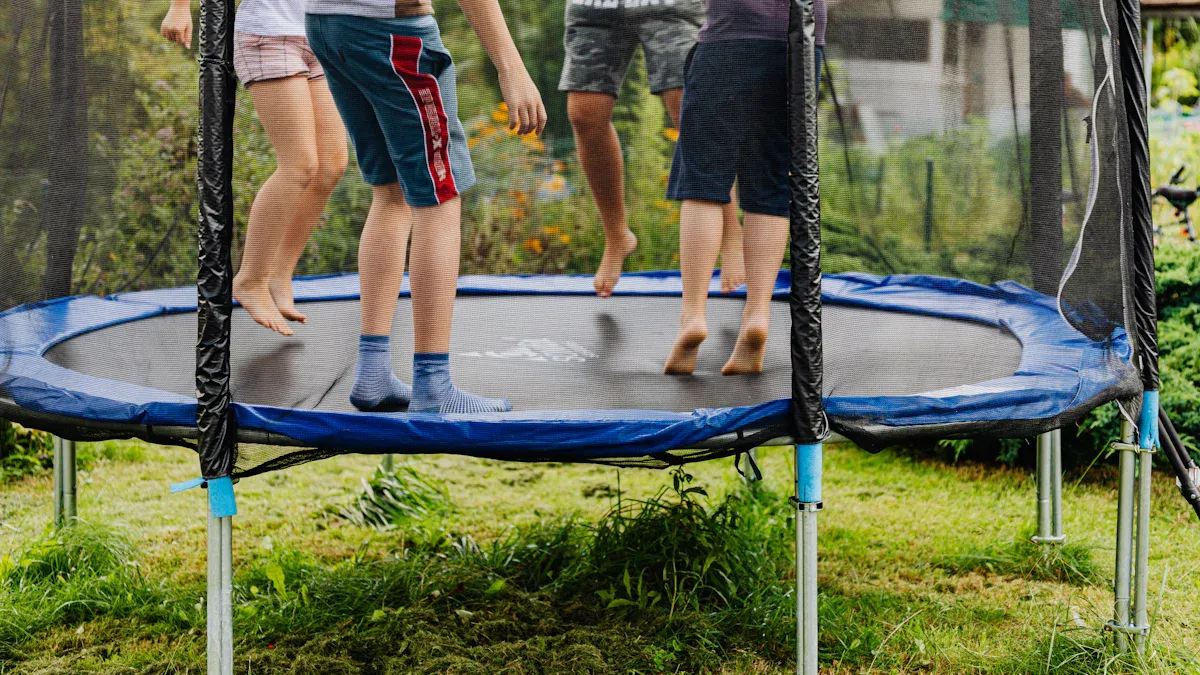
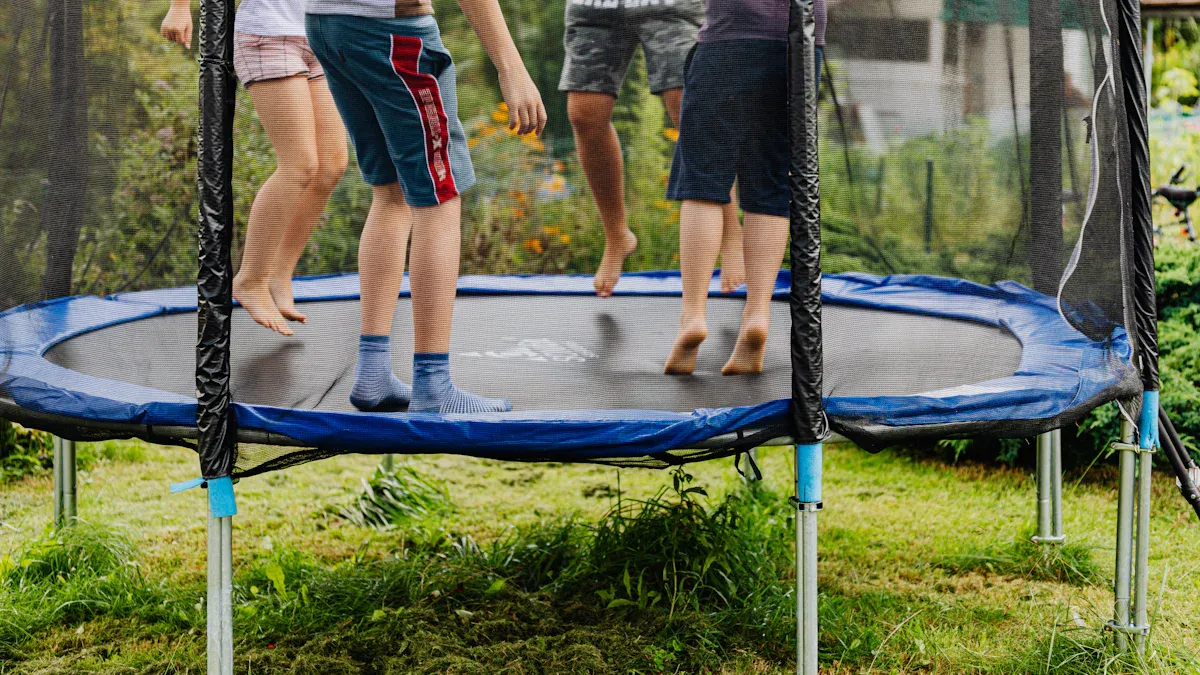
You want your kids to have fun. You also want to keep them safe. The safest childrens indoor trampoline has no springs. It has a net that bends. It has a mat that absorbs shocks. These features help lower injury risks:
| Safety Feature | Impact on Injury Rates |
|---|---|
| Springless Design | Gets rid of 90% of product injuries |
| Flexing Net | Lowers the chance of falling |
| Shock Absorbent Mat | Lessens injuries from impacts |
If you know what to look for, you can choose a trampoline that helps you worry less.
Key Takeaways
- Pick a trampoline that does not use springs. Make sure it has a bendy net and a soft mat. These features help lower the chance of getting hurt.
- Watch kids every time they jump. Only let one person jump at a time. Make sure they follow the age and weight rules to keep play safe.
- Check the trampoline often for any damage. Clean it once a week. Change any broken parts to keep jumping safe.
Childrens indoor trampoline safety features
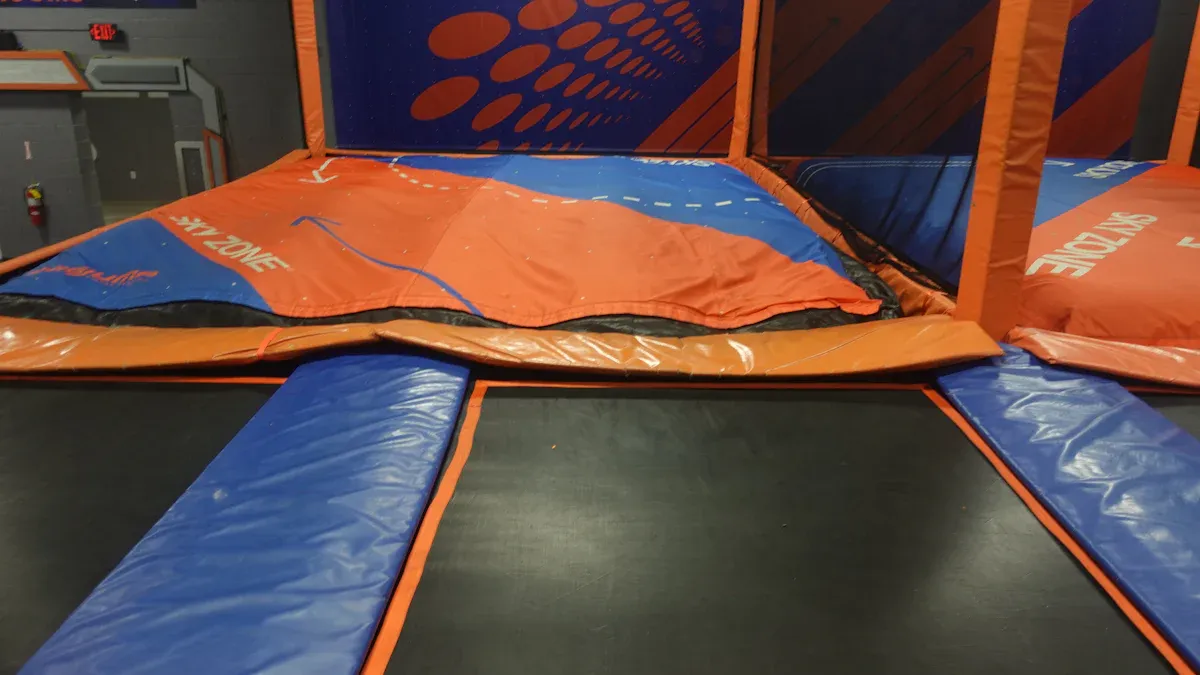
Sturdy frame and construction
When you choose an indoor trampoline, the frame must be strong. A tough frame keeps the trampoline steady. This helps stop injuries from happening. Most good trampolines use steel frames. Steel is hard and does not bend easily. Galvanized steel is even better. It does not rust and lasts longer. Some trampolines use aluminum frames. Aluminum is not as strong as steel. Welded joints and tight fastenings make the frame safer. If the frame shakes or feels loose, accidents can happen.
Here’s a quick look at the best materials for trampoline frames:
| Material | Benefits |
|---|---|
| Galvanized Steel | Rust-resistant, long-lasting, withstands harsh weather conditions. |
| UV-Resistant Polypropylene | Lightweight, strong, resistant to UV rays, safe surface for jumping. |
| Closed-Cell Foam | Durable, resistant to water and mildew, withstands high impact. |
| Polyester Mesh | Strong, durable, provides a secure barrier to prevent falls. |
| Carbon Fiber | Lightweight, strong, withstands high impact, safe structure for jumping. |
A strong frame is very important for childrens indoor trampolines. It keeps the jumping area steady. This helps you feel sure your child is safe.
Enclosure net and low bounce pad
You want to stop your child from falling off the trampoline. The enclosure net helps with this. The net acts like a fence and keeps kids inside. ASTM says all indoor trampolines should have safety nets. But, studies show that almost half of trampoline injuries are from falls, even with nets. Nets help, but they do not stop all injuries.
Low bounce pads are also important for safety. These pads cover the edges and springs. They make landings softer. Metal springs can pinch fingers or toes. Springless trampolines use flexible rods. These rods absorb impact and give a smoother bounce. This design is easier on bones and joints, which is good for kids.
Tip: Always check that the net is tight and the pads cover all hard parts. This helps stop injuries from falls and hard landings.
Elastic cords vs. steel springs
You may wonder why elastic cords are safer than steel springs. Steel springs can pinch skin or pull hair. They can also cause bruises. Steel springs give a harder bounce. This can lead to more injuries. Elastic cords give a softer, cushioned landing. Spring-free trampolines remove the risk of getting caught or scratched by springs.
Traditional spring trampolines cause over 100,000 injuries every year. The injuries are typically caused by slamming into another jumper, landing wrong while jumping, falling off the trampoline, or falling on or through the springs or frame.
If you want a safer trampoline for kids, pick one with elastic cords or flexible rods. These features lower the chance of accidents. They also make jumping more comfortable.
Ground-level jumping surface
A ground-level jumping surface is a new safety feature for indoor trampolines. When the trampoline is close to the ground, falling from a height is less likely. In-ground trampolines almost remove the danger of falling off the mat. This design means fewer serious injuries.
In-ground trampolines are safer because they lower the height of falls. Above-ground trampolines can be risky. Kids might fall from a higher spot. If you get an above-ground model, make sure it has a strong safety net.
Weight and age limits
Every childrens indoor trampoline has weight and age limits. These limits help keep kids safe. Only children who are ready should use the trampoline. The American Academy of Pediatrics and ASTM say kids under six should not use backyard trampolines. Young kids have softer bones and can get hurt more easily.
Here’s a quick guide:
| Age/Weight Category | Restrictions |
|---|---|
| Toddler Areas | Under 42 inches tall, under 50 pounds |
| General Jumping Areas | Between 30 and 300 pounds |
If your child is too young or too heavy, the risk of injury goes up. Always check the label before your child jumps.
Note: Following age and weight limits is one of the easiest ways to keep your child safe on an indoor trampoline.
By focusing on these safety features, you give your child a safer place to play. You also help stop injuries and make jumping fun for everyone.
Choosing the right kids trampoline
Safety certifications to look for
When you buy a childrens indoor trampoline, look for safety certifications. These labels mean the trampoline follows important safety rules. You should see these on the box or in the product details:
| Certification | Description |
|---|---|
| BS EN 71-14:2018 | Safety rules for home trampolines, covering materials and design. |
| EN 1176 | Guidelines for safe setup, inspection, and care of playground trampolines. |
| CE Marking | Shows the trampoline meets EU safety standards. |
If you see these certifications, the trampoline passed safety tests.
Trusted brands and reviews
You want a kids trampoline that parents trust. Some brands are known for being safe. Jungle Jumparoo is popular for its strong safety bars. Its design stops double bounces. The Jungle Jumparoo Mini is good for younger kids. It sits lower to the ground. When you read reviews, look for these things:
- High-quality, UV-resistant mats
- Secure enclosures and sturdy frames
- Padded edges and no finger-access nets
- Gap-free designs and thick padding
Parents talk about these features when they pick the best kids indoor trampoline.
Size and space considerations
Before you buy an indoor trampoline, measure your space. Small trampolines fit better inside. They make it easier to watch your child. They also help stop kids from getting too wild. For safety, leave 3-5 feet of space on each side. You also need at least 24 feet of space above the trampoline. This space keeps your child safe if they fall or jump high. Always check the trampoline’s size and make sure your room is big enough.
Tip: The right size trampoline helps your child stay safe and makes playtime more fun.
Trampoline setup tips
Safe indoor placement
You want your trampoline in a spot where your child can play safely. Pick a flat, open area away from walls, furniture, and sharp corners. Make sure there is enough space above and around the trampoline. Leave at least three feet on all sides and check that the ceiling is high enough. Good lighting helps you see hazards before they become a problem. If you have pets, keep them out of the play area.
Assembly best practices
Building an indoor trampoline can feel tricky, but you can do it if you follow each step. Always read the instruction manual first. Don’t rush or skip steps. Here’s a simple guide to help you:
- Buy anchors if your trampoline needs them.
- Check the placement of the anchors for the best hold.
- Attach the ratchet strap and hook as shown in the manual.
- Screw the anchor into the ground until it feels secure.
- Tighten the strap so the trampoline stays in place.
Ask a friend or family member to help. Two sets of hands make the job safer and faster.
Checking for hazards
Before your child jumps, look for anything that could cause harm. Watch out for these common mistakes:
- Skipping the instruction manual
- Picking the wrong spot for setup
- Assembling the frame incorrectly
- Not securing springs or cords
- Installing the safety net the wrong way
- Forgetting anchors or stakes
- Rushing through the process
- Using the wrong tools
A careful setup keeps your childrens indoor trampoline safe and fun. Take your time and double-check everything before letting your child play.
Supervision and safe use

Age-appropriate guidelines
You want your child to have fun, but you also want to keep them safe. Age matters a lot when it comes to using an indoor trampoline. Kids under six should not jump on a kids trampoline. Their bones are softer, and they get hurt more easily. Take a look at the table below to see which age groups face the most injuries:
| Age Group | Percentage of Injuries | Common Injuries | Hospital Admission Rate |
|---|---|---|---|
| 5 to 9 years | 49% | Fractures | 82.2% |
| 10 to 14 years | 43.3% | Fractures | 12.4% |
| Overall (5 to 14) | 78.9% | Fractures | 13.1% |
To prevent injury, always follow these age-based rules:
- Wait until your child turns six before letting them jump.
- Only allow one jumper at a time.
- Supervise children ages 6-12 closely.
- No flips or rough play.
- Make sure your child jumps in the center of the mat.
Adult supervision rules
You play a big role in keeping trampoline time safe. Adult supervision is essential for any supervised activity on an indoor trampoline. Research shows that many injuries happen when kids use their imagination in risky ways. You can help by setting clear rules and watching closely. However, remember that almost half of trampoline injuries still happen even when adults are present. So, you need to do more than just watch.
- Always stay nearby and pay attention.
- Enforce the one-jumper rule.
- Be ready to step in if you see unsafe behavior.
- For kids under six, never leave them alone on the trampoline.
Tip: Your presence and quick response can make a big difference in stopping accidents before they happen.
Safe jumping practices
You can make jumping safer by following a few simple habits:
- Only let one child jump at a time.
- Keep safety nets and padding in good shape.
- Place the trampoline on a flat surface, away from walls or furniture.
- Check the trampoline often for loose parts or damage.
- Do not allow flips or tricks unless a trained adult is there.
If you treat trampoline time as a supervised activity, you help your child stay safe and have fun. These steps lower the risk of accidents and make your indoor trampoline a safer place to play.
Maintenance and safety checks
Inspecting for wear and tear
You want your indoor trampoline to last and stay safe. Regular inspections help you spot problems before they cause injuries. Check the frame, mat, net, and cords for any signs of damage. Look for tears, loose stitching, or rust. If you see any sharp edges or broken parts, stop using the trampoline right away.
Here’s a simple schedule to follow for safety checks:
- Do a quick check every day before your child jumps.
- Look over all parts once a month for deeper issues.
- Give your indoor trampoline a full inspection every year.
Tip: Write down your inspection dates in a notebook or on your phone. This helps you remember when to check next.
Cleaning and care
A clean trampoline works better and lasts longer. Wipe down the mat and net with a damp cloth every week. Use mild soap and water for sticky spots. Avoid harsh cleaners because they can damage the material. Make sure the trampoline stays dry. Wet surfaces can get slippery and cause falls.
If you have pets, keep them away from the trampoline. Pet hair and claws can wear out the mat and net faster. Remind your child to take off shoes before jumping. This keeps dirt and grit off the surface.
Replacing parts
Parts wear out over time, even with good care. Replace any broken or worn pieces right away. Order new mats, nets, or cords from the manufacturer. Always use the right parts for your indoor trampoline. Never try to fix broken parts with tape or glue. These quick fixes can make the trampoline unsafe.
Note: Keeping your trampoline in top shape means your child can jump safely every day.
How to find the best kids indoor trampoline
Matching trampoline to your child’s needs
You want a trampoline that fits your child, not just your living room. Start by thinking about your child’s age and how they move. Younger kids need trampolines with more safety features. Older kids might want more bounce or space. Here’s what you should look for:
- Check your child’s age and development. Pick a trampoline that matches their skills.
- Measure your space. Make sure the trampoline fits with room to spare.
- Look for enclosed netting. This keeps your child from falling out.
- Choose a sturdy frame. A strong frame means fewer accidents.
- Check the weight limit. Make sure it matches your child’s size.
- Pick trampolines with adjustable or removable parts. These grow with your child.
If you match the trampoline to your child’s needs, you get more years of fun and safety.
Balancing safety and fun
You want your child to have a blast, but you also want peace of mind. You can balance fun and safety by picking trampolines with smart features. Look for enclosure nets and padded frames. These stop most injuries before they happen. Choose trampolines with music or lights for extra excitement. Make sure the trampoline feels sturdy and does not tip over easily.
Tip: A trampoline with both safety and fun features keeps everyone happy—kids get to bounce, and you get to relax.
When you focus on fun and safety, you give your child the best playtime possible. You also make sure every jump is a safe one.
You want your child to have fun and stay safe. Always follow trampoline rules. Only let one child jump at once. Check the trampoline for damage before each use. Watch your child every time they jump. Injuries can happen quickly, so pay close attention. If you stay careful, your child can enjoy bouncing without worry.
FAQ
What should you do if your trampoline net gets a tear?
Stop using the trampoline right away. Order a replacement net from the manufacturer. Never try to fix it with tape or string.
Can you let more than one child jump at a time?
No, you should only let one child jump at a time. This rule helps prevent collisions and injuries.
How often should you check your trampoline for safety?
- Check the trampoline before every use.
- Do a deeper inspection once a month.
- Write down your inspection dates so you do not forget.