

When selecting materials for indoor playgrounds, you make significant choices that impact safety and durability. As a children indoor playground manufacturer, it’s essential to choose the right materials to keep kids safe and ensure that the equipment lasts longer, ultimately saving money. Many children play in these spaces every day, so it’s crucial to consider their needs. Wood and metal are excellent choices for older kids, as these materials can withstand rough play and support larger playgrounds. For younger children, plastic is often preferred, but it may not endure well in fluctuating weather conditions. It’s vital to provide equipment that is age-appropriate and aligns with how kids play. Many indoor playground experts recommend matching materials to the specific needs of children while also considering the local climate. Kids deserve safe and enjoyable places to play, and they tend to favor playgrounds that feel sturdy and well-maintained. By focusing on what children need, you contribute to creating the best playgrounds for everyone.
Key Takeaways
- Pick materials that keep kids safe. Rubber and soft surfaces help stop injuries. They also make falls less painful.
- Think about how long materials will last. Metal and good plastic stay strong for years. This helps you spend less on fixing things.
- Make sure playground equipment fits the kids’ ages. Young kids need softer and lower equipment. Older kids need stronger and taller structures.
- Look at how much care materials need. Rubber and plastic are easy to clean. They do not need much work. Kids can play more often.
- Check the weather in your area. Pick materials that work well in your climate. This helps the playground last longer and stay safe.
Why Material Choice Matters for Indoor Playground Equipment
Safety Factors
Picking the right materials for indoor playgrounds is important for safety. Good materials help stop injuries and make play areas safer. For example, rubber and engineered wood fiber can soften falls. These materials lower the chance of getting hurt. Unsafe materials like concrete or asphalt do not protect kids. They can cause bad injuries if someone falls. Safety rules like ASTM F1918-22 and EN 1176-1177 help you pick safer materials. You should also think about over-stimulation. Some materials and colors can be too much for kids. This is especially true for kids who are sensitive to sights and sounds. When you focus on safety, you help kids build motor skills. You also help them play together in a safe place.
Durability and Maintenance
Durability is important because kids use playgrounds a lot. Metal can last 15 to 20 years. Plastic lasts about 10 to 15 years. Wood lasts around 8 to 12 years. Each material needs different care:
| Material | Average Lifespan | Maintenance Needs |
|---|---|---|
| Metal | 15-20 years | Low to moderate |
| Plastic | 10-15 years | Low |
| Wood | 8-12 years | Moderate to high |
Loose-fill surfaces like wood chips need to be refilled often. This keeps them safe for kids. Poured-in-place rubber does not need much care. This saves you time and money. Picking strong materials means kids can play for a long time. It also helps all kids play together.
Cost Considerations
You need to think about both starting costs and future costs. Playground equipment can cost from $375 to $10,000. Wooden playgrounds cost about $500 to $5,000. Good materials may cost more at first. But they save money on repairs later. Some factories use cheap materials to lower the price. This can lead to more repairs and more time when kids cannot play. Buying safe, certified materials helps you stick to your budget. It also makes sure all kids can use the playground.
Age Group Suitability
Kids of different ages need different playground equipment. Children ages 2 to 5 need climbers, crawling spaces, and sand play. These help them build motor skills and play safely. Older kids, ages 5 to 12, like rope climbing, slides, and fitness equipment. These help them stay active and make friends. Some playgrounds work for ages 2 to 12. These let all kids play together. You should also think about safety and over-stimulation for younger kids. They may not know what could hurt them. Picking the right materials helps all kids play and grow.
Wood in Indoor Play Structures
Wood Pros
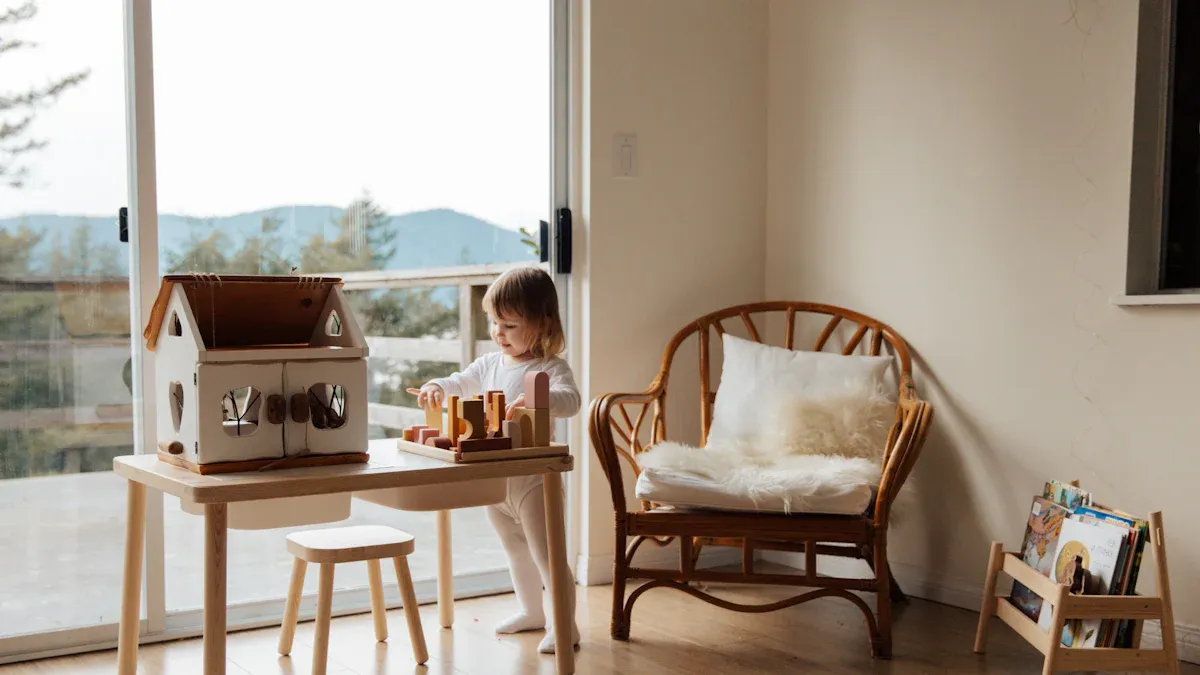
You find many pros when you choose wood for indoor play structures. Wood gives you strong and stable equipment. It holds more weight than plastic, so you can build bigger and safer play areas. Wood also resists sun, rain, and wind better than other materials. This means your indoor play structures stay safe and last longer. You only need to seal wood from time to time to keep it in good shape. Another big pros is that wood is biodegradable and renewable. If you care about the environment, wood is a smart choice. You help the planet when you use materials that break down naturally.
Here is a quick look at how wood compares to plastic in indoor play structures:
| Advantage | Wood | Plastic |
|---|---|---|
| Strength and Stability | Better structural strength, holds more weight | Less stable, may not support as much weight |
| Weather Safety | Resists sun, rain, and wind better | Can crack and bleach under weather conditions |
| Maintenance | Longer-lasting, requires periodic sealing | May need replacement sooner than wood |
| Environmental Impact | Biodegradable and renewable | Not biodegradable, less eco-friendly |
You see that wood offers many pros for indoor play structures. You get safety, durability, and eco-friendly benefits.
Wood Cons
You also need to think about the cons of wood in indoor play structures. Wood needs regular maintenance. If you do not seal or treat it, wood can rot or break down. You may spend more money on wood than on synthetic materials. Some wood does not meet safety standards unless you treat it with special products. You must check your indoor play structures often to keep them safe.
Tip: If you want fewer repairs, choose high-quality wood and seal it every year.
Here are the most common cons of wood in indoor play structures:
- You need regular maintenance to stop rot and damage.
- Wood costs more than plastic or metal.
- Untreated wood may not meet safety rules.
You should weigh these cons against the pros before you decide on wood for your indoor play structures.
Metal for Indoor Playground Equipment
It is very strong and lasts a long time. You can use metal in places where lots of kids play. You can clean metal fast, which keeps things safe. Metal does not splinter or crack like wood. This means fewer problems for you.
- Metal is strong and lasts a long time.
- Metal slides are smooth and fun.
- Metal and wood work well for older kids and adults.
- Metal is easy to clean.
- Metal lasts longer than plastic in most indoor playgrounds.
Metal is a good choice for playgrounds. It works well for many activities and lots of use.
Metal Cons
You need to think about the bad sides of metal. Metal can get slippery, so kids might fall. Metal slides can get hot if sunlight comes in through windows. Metal can rust and corrode, especially if it is humid. If metal does not have a coating, it can rust faster. Rust makes metal weak and unsafe. You need to check metal often to find problems early. Rusty metal can hurt kids and make equipment unsafe. You may spend more money to fix rust and keep metal safe. Metal is not as safe as plastic for younger kids. You should think about these problems before you choose metal.
- Metal can rust and corrode.
- Humidity and rain make rust worse.
- No coating means metal rusts faster.
- Rusty metal can be dangerous.
- Metal slides can be slippery and hot.
- Metal is not as safe as plastic for young kids.
- You need to check and fix metal often.
- You may pay more to keep metal safe.
Tip: Always look for rust or damage on metal equipment. Use coatings to help stop rust and keep your playground safe.
Plastic in Indoor Play Equipment
Plastic Pros
You see many benefits when you choose plastic for indoor play equipment. Plastic stands out because it resists rust, rot, and corrosion. You do not need to worry about pests or splinters, which means fewer injuries for children. Plastic stays cooler than metal, so you protect kids from burns, even if sunlight shines through windows. The flexibility of plastic helps absorb impacts, making falls less dangerous.
- Plastic does not rust, rot, or corrode, so you spend less time on maintenance.
- You avoid splinters and pest problems, which keeps play areas safer.
- Plastic stays cool to the touch, even in warm rooms.
- The flexible surface of plastic lowers the risk of injury from bumps or falls.
You can shape plastic into many fun designs. This makes indoor play equipment more exciting for children. You also find that plastic is lightweight, so you can move or rearrange equipment easily. Cleaning plastic is simple. You only need soap and water to keep it looking new.
Tip: Choose high-quality plastic for your indoor play equipment to get the most safety and durability.
Plastic Cons
You also need to think about the drawbacks of plastic in indoor play equipment. Cheaper plastic can become brittle, especially in cold rooms. Over time, sunlight can fade or crack plastic, even indoors if there are large windows. Cracks or breaks in plastic can create sharp edges, which may hurt children. You must check your equipment often to spot these problems early.
- Low-quality plastic may break or crack as it ages.
- Sunlight can cause fading or damage, even inside.
- Cracks can lead to sharp edges, which are unsafe.
- You need regular inspections to keep indoor play equipment safe.
Plastic may not last as long as metal or wood in some cases. If you want your indoor play equipment to last, you should invest in strong, high-quality plastic. Always check for signs of wear and fix problems right away.
Soft Play Materials and Safety
Soft Play Pros
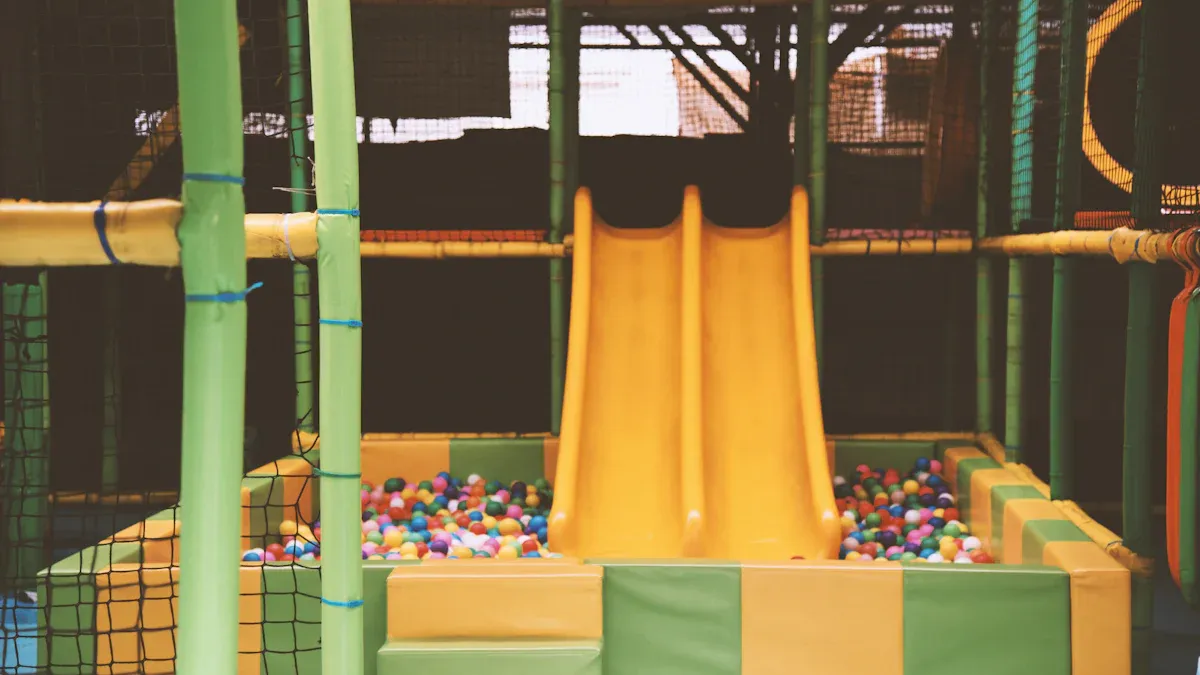
You find many benefits when you choose soft play areas for indoor playgrounds. Soft play areas use foam, vinyl, and padded surfaces. These materials help protect children from bumps and falls. You see fewer injuries in soft play areas because the surfaces absorb impact. Children feel safe and confident when they play in soft play areas. You can set up soft play areas for toddlers, preschoolers, and even older children. Soft play areas encourage active play and social skills. You can create obstacle courses, climbing zones, and ball pits in soft play areas. These spaces help children build balance and coordination.
Soft play areas also support hygiene. You can clean and disinfect soft play areas quickly. Many soft play areas use covers that resist stains and moisture. You help prevent the spread of germs by keeping soft play areas clean. You can wipe down surfaces in soft play areas after each use. This makes soft play areas a good choice for places with many children.
Tip: You should check soft play areas every day. Clean and inspect all surfaces to keep hygiene high.
Soft Play Cons
You also need to think about the drawbacks of soft play areas. Soft play areas can wear out faster than hard surfaces. You may see tears or holes in the padding. You must repair soft play areas often to keep them safe. Some soft play areas trap dirt and dust in seams or corners. This can lead to hygiene concerns if you do not clean them well. You may need special cleaners for soft play areas to keep hygiene at the right level.
Soft play areas may not work for every age group. Older children may find soft play areas less challenging. You may need to combine soft play areas with other equipment for a full playground. Soft play areas can cost more to maintain because you must replace worn parts. You should weigh these cons before you choose soft play areas for your space.
| Pros of Soft Play Areas | Cons of Soft Play Areas |
|---|---|
| Reduces injuries | Wears out faster |
| Easy to clean for hygiene | Needs frequent repairs |
| Encourages active play | Can trap dirt and dust |
| Good for young children | May not suit older children |
Rubber and Sand Surfaces
You lower the risk of serious injuries when you use rubber. Studies show that rubber can reduce injury risk by up to 75%. This surface works well for preventing head injuries. You also find that rubber provides a soft, even layer. Kids who fall on rubber get better shock absorption than on wood chips or concrete. Just 4.5 inches of poured rubber can cushion a fall from 10 feet. Rubber surfaces help children with mobility challenges move around more easily. You spend less time on repairs because rubber needs little maintenance. You only need to sweep or vacuum to remove dirt and dust. For a deeper clean, use a non-abrasive cleaner and rinse with water.
Tip: Rubber surfaces stay in place and do not shift, so you keep your playground safe and tidy.
| Surface Type | Injury Risk Reduction | Notes |
|---|---|---|
| Rubber | Up to 75% | Best for reducing severe head injuries |
| Sand | Lower risk | Safer than hard surfaces, but less than rubber |
| Concrete/Tarmac | 5 times higher | Much higher injury rates than rubber |
Rubber Cons
You may notice some drawbacks with rubber surfaces. Rubber can cost more than sand or wood chips at first. Some rubber surfaces may have a smell when new. Over time, sharp objects can cut or damage the rubber. You need to check for tears or holes to keep the area safe. If you do not clean spills quickly, stains may form. Rubber can get slippery if wet, so you must keep it dry.
Sand Pros
Sand gives you a soft landing for falls. It works better than concrete or tarmac for injury prevention. Sand is easy to shape and replace. You can use sand for digging and creative play. Many children enjoy building and exploring in sand. Sand is also less expensive than rubber. You can refill or level sand as needed.
Sand Cons
Sand does not protect as well as rubber. It can shift and create uneven spots. You need to rake and refill sand often to keep it safe. Sand can hide debris, like small toys or trash. Wet sand may clump or grow mold. You may spend more time cleaning sand from shoes and clothes. Sand is harder for children with mobility aids to move across.
Note: You should check sand areas daily for cleanliness and evenness to keep kids safe.
Comparing Indoor Playground Materials
Picking the right material for your indoor playground is important. You want to think about safety, durability, cost, and age group. Every material has good points and bad points. The table below helps you compare wood, metal, plastic, rubber, and sand.
| Material | Safety Level | Durability | Maintenance Needs | Cost Range | Age Suitability | Special Notes |
|---|---|---|---|---|---|---|
| Wood | Moderate | Moderate | High | $$ | Older children | Natural look, needs sealing |
| Metal | High (if coated) | High | Moderate | $$$ | Older children | Strong, can rust, may heat up |
| Plastic | High | Moderate | Low | $-$$ | All ages | Lightweight, versatile, may crack |
| Rubber | Very High | High | Low | $$$ | All ages | Cushions falls, easy to clean |
| Sand | Moderate | Low | High | $ | Young children | Good for play, needs frequent upkeep |
Each material works best for different needs. Use this table to help you choose.
Pros and Cons at a Glance
Here are the main good and bad sides of each material:
- Wood
- Pros: Looks warm and natural. Holds heavy equipment. Breaks down in nature.
- Cons: Needs lots of care. Can rot or get bugs. Costs more over time.
- Metal
- Pros: Very strong and tough. Handles lots of use. Easy to clean.
- Cons: Can rust or break down. Gets hot near windows. Needs a coating to stay safe.
- Plastic
- Pros: Safe for all ages. No splinters or heat. Light and easy to shape.
- Cons: Not as strong. Sunlight can damage it. May crack if not good quality.
- Rubber
- Pros: Softens falls. Lowers injury risk. Easy to keep clean.
- Cons: Costs more at first. Slippery when wet. Can wear out after a while.
- Sand
- Pros: Soft for falls. Fun for building and play. Cheap to buy.
- Cons: Needs lots of raking and refilling. Can hide trash. Hard for wheelchairs.
Tip: Check your playground materials often. Regular checks help you find problems and keep kids safe.
Which Materials Work Best for Your Needs?
Pick materials that fit what you need most. Here is how you can decide:
- Safety: Rubber and foam padding protect kids best. These materials make falls less dangerous. Look for equipment with safety labels like ASTM and ADA.
- Budget: Plastic and sand cost less at first. Plastic saves money on repairs. Sand needs more care, but you can refill it easily.
- Durability: Metal and strong plastic last longer. Treated wood stays good but needs more work.
- Age Group: Young kids need soft, low equipment. Rubber floors and plastic are good for them. Older kids like strong metal or wood structures.
- Maintenance: Rubber and plastic are easy to clean. Wood and sand need more work. Rubber saves you time on repairs.
Use these tips to pick the best materials for your indoor playground. When you match materials to kids’ needs, you help them play safely and have fun.
Note: Always check that your playground equipment meets safety rules. Certified materials keep children safe and help you worry less.
Choosing Materials for Children Indoor Playground Manufacturer
Safety Priorities
Every child should play in a safe place. As a children indoor playground manufacturer, you must think about safety first. Pick surfaces that help soften falls, like rubber or engineered wood fiber. Make sure your equipment meets ASTM and CPSC rules. Look for third-party safety labels, such as IPEMA, to check if it is safe. Do not use wood with chemicals that can hurt kids. Put in shock-absorbing surfaces with the right thickness for the equipment’s height. This helps keep children safe and lets them have fun.
| Safety Consideration | Description |
|---|---|
| Material Selection | Choose materials that fit the climate, use, and look you want. |
| Wood-Preserving Chemicals | Stay away from chemicals that can harm children’s health. |
| Safety Surfacing | Use soft surfaces with enough depth to protect from falls. |
| Compliance with Standards | Follow ASTM and CPSC rules for design and where you put equipment. |
| Certification | Get IPEMA certification for your playground equipment. |
Budget and Maintenance
You need to think about both cost and care. As a children indoor playground manufacturer, you should pick strong materials that last a long time. Good plastic and coated metal help you spend less on repairs. Rubber surfacing is easy to take care of and saves money. Think about how much it costs to set up and keep things working. You want equipment that stays safe and works well without lots of repairs.
- Strong materials help you save money over time.
- Surfaces that are easy to clean save you time.
- Maintenance services help keep equipment safe for kids.
- You can customize equipment to fit your budget and needs.
Age and Usage Needs
Kids of different ages play in different ways. You need to pick materials that match what they can do. Toddlers need soft, low equipment with foam or rubber. Older kids like to climb and slide on strong metal or wood. As a children indoor playground manufacturer, you should make spaces that help kids play and make friends. Use different materials so all kids can have fun.
- Soft play areas are best for toddlers and preschoolers.
- Metal and wood are good for older kids.
- Plastic works for all ages.
- Surfaces like shredded rubber and synthetic turf add safety and fun.
Environmental Factors
You help the earth when you use green materials. As a children indoor playground manufacturer, you should pick recycled and safe products. Think about the weather in your area. Hot, humid places need stainless steel and UV-stabilized plastic. Cold places need galvanized steel and tough plastic. Pressure-treated wood is good for rainy areas. Marine-grade coatings protect metal near the ocean. Eco-friendly choices make less waste and help kids learn about nature.
| Climate Type | Material Considerations |
|---|---|
| Hot & Arid | Use metal with special coating; UV-stabilized plastic; do not use brittle plastic |
| Hot & Humid | Stainless steel; UV-stabilized plastic; pressure-treated wood |
| Cold & Snowy | Galvanized steel; tough plastic; engineered wood |
| Mild but Rainy | Pressure-treated wood; rubber that does not freeze |
| Coastal Areas | Marine-grade coatings for metal; do not use regular wood |
| Variable Climate Zones | Use strong, high-quality materials with extra protection |
Tip: Using green playground designs helps the planet and teaches kids about nature.
You have many choices for indoor playground materials. Each option has strengths and weaknesses:
- Wood gives you durability and a natural look but needs regular care.
- Metal offers strength and low maintenance, yet may rust or get hot.
- Plastic provides safety and flexibility, though it may not last as long.
For toddlers and preschoolers, plastic works best. Older children benefit from wood and metal. Local climate affects how long materials last. Weigh these factors and pick what fits your needs. Create a safe and fun space for every child. 😊
FAQ
What is the safest material for indoor playground flooring?
Rubber flooring gives you the best protection. It absorbs impacts and reduces injuries. You can clean it easily. Rubber also works well for children of all ages.
How often should you inspect indoor playground equipment?
You should check equipment every week. Look for cracks, loose parts, or sharp edges. Quick inspections help you fix problems before kids get hurt.
Tip: Keep a checklist to track your inspections.
Can you mix different materials in one playground?
Yes, you can combine materials. Use rubber for floors, plastic for slides, and metal for climbing frames. Mixing materials helps you meet safety and age needs.
| Area | Best Material |
|---|---|
| Flooring | Rubber |
| Slides | Plastic |
| Frames | Metal |
How do you keep soft play areas clean?
Wipe surfaces daily with mild soap and water. Vacuum foam pits and check for hidden dirt. Clean ball pits weekly. Regular cleaning keeps germs away and children safe.