

Top 10 Soft Indoor Play Equipment for Home Use
Rainy days turn your living room into a tiny tornado zone. Your toddler bounces off the walls. You need a safe outlet fast. Soft indoor playground equipment solves this. These indoor foam pieces let kids burn energy safely at home.
Every parent weighs three things: safety, space, and price. You want gear that protects your children, fits your rooms, and respects your budget. That balance matters most for any playground.
This list covers 10 top picks for indoor soft play. You will also find quick buying tips. Each option supports active play, creative play, and calm play. A good playground setup turns any corner into a happy spot.
Key Takeaways
- Pick soft play equipment that has non-toxic certifications, such as CPSIA or EN1176, to keep your child safe.
- Check your room size before you buy. This makes sure the equipment fits and is easy to store.
- Wash foam pieces with gentle soap and water. Stay away from strong cleaners so they do not get damaged.
- Soft play equipment helps kids get stronger, improve their balance, and learn social skills through active play.
- Choose equipment that fits your child’s age and interests to keep playtime fun and exciting.
How To Choose Soft Indoor Playground Equipment
Before you buy soft play equipment, ask yourself three things. Is the foam safe? Will it fit in your room? Can you clean it without trouble? Here is what you should know.
Safety And Non-Toxic Foam
Good foam keeps your child safe while they play. Thick foam keeps its shape for a longer time. It gives a steady base for climbing and jumping. Always look for non-toxic certifications. They show the product follows strict safety rules for kids.
Here are the main certifications to look for when you shop for indoor playground equipment:
| Certification/Standard | Region | Requirement |
|---|---|---|
| CPSIA (Consumer Product Safety Improvement Act) | USA | Sets strict limits on phthalates and bans lead in surface coatings |
| REACH (Registration, Evaluation, Authorisation and Restriction of Chemicals) | Europe | Imposes strict limits on phthalates and other harmful chemicals |
| Phthalate-free compliance | Both | Vinyl must be phthalate-free or meet regulatory limits |
| Lead content restriction | Both | Lead banned in pigments and surface coatings |
| Material Safety Data Sheet (MSDS) | Both | Request from supplier to verify chemical composition |
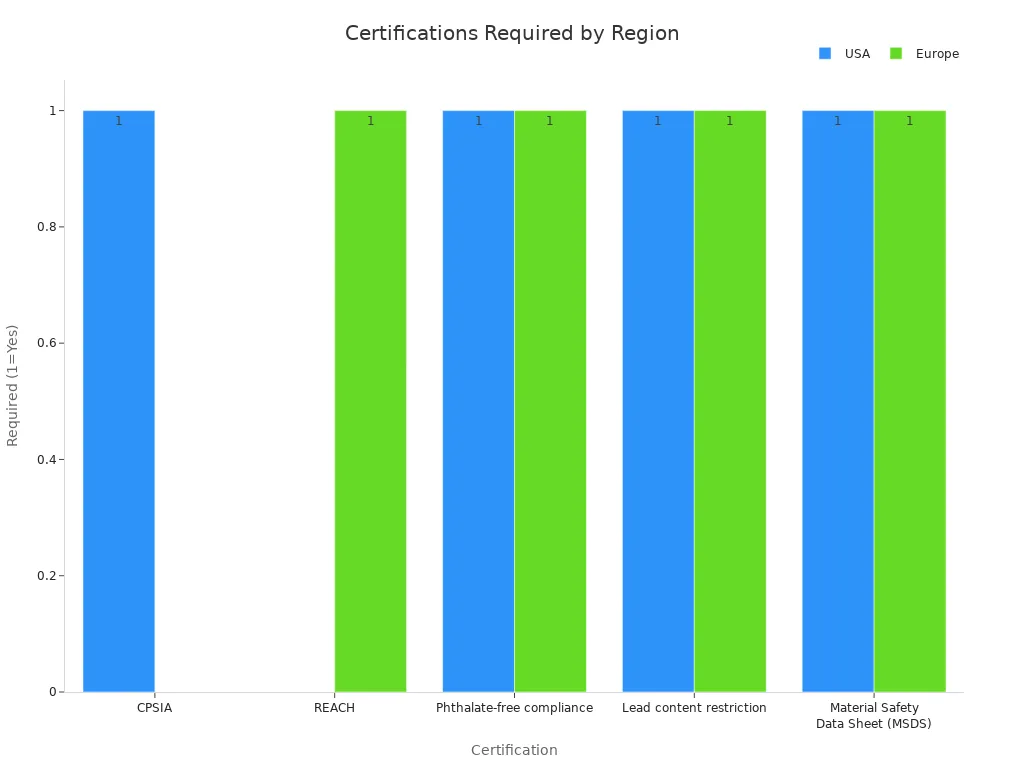
These standards matter for any indoor playground equipment you bring home. They keep your child’s play area free from harmful chemicals. Washable covers add one more layer of safety. You can take them off and clean them after messy play. This keeps the foam core fresh and free of mold. Good design includes removable covers that are easy to care for. The playground structure uses thick foam for safe indoor play.
Size, Storage, And Cleaning
Your space decides the rules. Measure your room before you shop. Leave enough room for your child to move around freely while playing. A foldable design works best for small homes. You can put items away after playtime. This smart design saves valuable floor space.
A special toddler zone does not need much room to play. A corner with a foam mat and a few blocks makes a great play spot. Soft contained play equipment like small ball pits also fits tight spaces. You can change any setup to match your room. Customized soft play equipment fits unique spaces the best. Each piece needs a clear purpose for active play.
Clean your gear the right way. Here is what works:
- Use mild dish soap mixed with warm water for everyday cleaning.
- Wipe surfaces with soft microfiber cloths that are only damp, never dripping.
- Use a child-safe, non-toxic sanitizer made for children’s products after cleaning.
- Stay away from undiluted chlorine bleach, strong acids, highly alkaline cleaners, and rough scrubbers.
- Never put foam pieces underwater or let liquid pool, since moisture can reach the core and cause mold.
- For sticky spots, use vegetable or olive oil instead of harsh solvents like acetone.
- Let everything air dry all the way in a well-ventilated area before using it again.
These simple steps keep your play gear looking new. They protect your child during every play session. Proper care helps your soft play equipment last. Follow these tips for long-lasting playground fun. A good routine makes your play area last longer. It makes play safer and more fun for everyone.
Soft Play Equipment: Climbers And Foam Sets

Foam climbers turn your living room into a small adventure zone. These soft play equipment pieces help your toddler build gross motor skills and confidence. They crawl over obstacles, stand on raised platforms, and balance on bumpy foam surfaces. This builds core strength for later activities. Sliding and climbing also wake up the inner ear. That helps your toddler learn balance and spatial awareness.
Climbing toys are great for building gross motor skills. These are the abilities you need to control the big muscles in the body used for walking, jumping, and climbing. When toddlers play with climbing toys, they practice using these muscles, which helps them gain better control and coordination.
Foam Climbing Blocks
Foam climbing blocks work for children about 1 to 4 years old. They need a clear floor area about the size of a small rug. You can stack blocks against a wall when playtime ends. This saves space in small apartments.
Check foam density before you buy any soft play sets. Density must come with units and tolerance. Do not mix up density with firmness. Firmness uses a set compression method. Ask the seller for the foam family, density with units, and model-level performance evidence. Higher density does not always mean safer or more durable. Durability also depends on cell structure, thickness, bonding, and cover fit.
| Specification | 0–3 years | 3–5 years |
|---|---|---|
| Foam density | 1.8–2.2 lb/ft³ | 2.2–2.5 lb/ft³ |
| Max climbing height | 16 in (under 2); 24 in (2–3 yrs) | 32 in |
| Block weight | 3–10 lb typical; larger pieces ≤15 lb | 3–10 lb typical; larger pieces ≤15 lb |
| Edge/corner radius | ≥1/2 in rounded | ≥1/2 in rounded |
| Weight capacity | 50–75 lb per block | 50–75 lb per block |
Foam must keep its shape after compression. Squished foam creates unstable surfaces and raises fall risk. This safety point matters for every indoor playground equipment purchase.
Soft Slides And Step Stools
A soft slide adds sliding fun without hard edges. Safety guidelines keep your toddler protected during indoor soft play. The average incline of the slide chute should stay at or below 24 degrees. The maximum slope of any section should not go past 30 degrees. The chute width should measure 8 to 12 inches. If any portion goes past 24 degrees, add an exit region 7 to 10 inches long. Keep the exit region height at or below 6 inches above the protective surfacing. The transition radius from the sliding portion to the exit region should be at least 18 inches.
Step stools help your toddler reach the slide top with confidence. Look for wide bases and textured tops. These design features stop slips during play. According to the North&Nova guide, indoor climbers cost between $50 and $800 or more. Plastic slide combinations sit at the lower end. Premium foam systems sit at the higher end.
A good playground setup grows with your child. You can add pieces as your toddler gains skills. This keeps the play structure useful for years. Every piece should support active play and safe exploration. Your children gain coordination, balance, and joy from these simple additions.
Ball Pits And Sensory Indoor Soft Play

Ball pits and sensory mats turn any corner into a calming, stimulating space. These soft play equipment pieces support children who crave movement or need quiet input. They also work great for everyday play.
Foam Ball Pits
A foam ball pit gives your child a world of sensory input. The balls apply pressure points across the body. This creates a mini massage effect that supports sensory processing. For children who like compression vests or weighted blankets, a ball pit serves as a great alternative. It offers similar deep-pressure feedback without any straps or weights.
Beyond sensory input, ball pits build gross motor skills. Your child reaches, digs, and crawls through the balls. These actions strengthen arms, legs, and core muscles. Ball pits also encourage communication and socialization. Your child can toss balls back and forth with a sibling or friend. They can also practice turn-taking during group play.
You can find ball pits in square, round, and custom shapes. Square pits fit neatly into corners. Round pits work well in open areas. Custom shapes match odd room layouts or specific design ideas. This flexibility makes them a smart choice for any indoor space.
Cleaning matters for safety and hygiene. Look for pits with removable, wipe-clean covers. A damp cloth with mild soap handles most messes. This keeps the play area fresh for every session. A clean pit protects your child and extends the life of your soft play sets.
Sensory Mats And Textured Tiles
Sensory mats and textured tiles add another layer of input. These pieces feature bumps, ridges, and varied surfaces. Your child can walk, crawl, or press their hands on different textures. This helps build body awareness and tactile discrimination. Some children seek this input. Others need it to feel calm and organized.
These mats also support safety during indoor soft play. A thick mat under a climber or slide cushions falls. It gives your child a soft landing spot. This simple addition reduces the chance of bumps and bruises. You can place tiles side by side to cover a larger area. Many sets connect like puzzle pieces. This design keeps the surface stable during active play.
Easy cleaning is a big plus. Most sensory mats have wipe-clean surfaces. You can spot-clean spills or sticky spots in seconds. Some covers come off for a deeper wash. This feature keeps your indoor playground equipment ready for daily use.
You do not need a huge space for these items. A small corner with a few textured tiles creates a dedicated sensory zone. Your child can retreat there when they need a break. They can also use it for active play when they feel energetic. This balance supports both calm and movement.
A ball pit or sensory mat works as soft contained play equipment. It keeps play in one area. It also gives your child a clear boundary. That structure helps them feel secure. You get a tidy room and a happy child. Both pieces deliver big benefits for a small investment.
Toddler Soft Play Mats And Tummy-Time Gear
Your baby needs a safe spot to wiggle, roll, and grow. Soft play equipment for this stage focuses on comfort and protection. You want gear that supports daily movement without any risk.
Foldable Foam Play Mats
A foldable foam mat gives your infant a dedicated space for daily practice. These mats are typically about 1.3 inches thick. That provides noticeably better impact protection than the roughly 0.6-inch thickness common to traditional interlocking tile mats. The thicker cushioning matters when your baby is learning to roll.
Foldable mats beat puzzle mats in several ways. They come with certified non-toxic materials. Their waterproof surface wipes clean in seconds. You get superior shock absorption and a non-slip texture. They are also lightweight and hypoallergenic. Puzzle mats have seam gaps that trap crumbs and dust. You must take them apart for thorough cleaning. A foldable design saves you that hassle.
Portability is another win. You can fold the mat and move it from room to room. This makes it easy to create a safe zone anywhere in your home.
Tummy-Time Pillows
A tummy-time pillow supports your baby during those early months. It lifts the chest and takes pressure off the belly. This makes tummy time more comfortable for your little one.
The developmental benefits are real. Daily tummy time builds strength and coordination from birth to 6 months. Around 2 to 4 months, your baby starts rolling from belly to back. A stable, cushioned surface supports that movement. By 4 to 6 months, they roll from back to belly. A firm yet soft surface encourages this while protecting the head.
Safety rules matter here. Always supervise your baby during tummy time. Clear away any dangerous objects. Never use these mats on furniture. Little ones can fall or roll off unexpectedly.
Look for wipe-clean covers on your tummy-time pillow. Spit-up and drool happen daily. A quick wipe keeps the surface fresh for the next session.
Ride-Ons And Movement Toys
Ride-ons and movement toys build balance and coordination right in your living room. Your child rocks, bounces, and walks along a beam. Each action trains the core muscles and the inner ear. That combo sharpens balance for walking, running, and jumping later on. You get big developmental wins from small indoor soft play pieces.
Soft Rockers And Bouncers
A soft rocker gives your baby gentle motion and comfort. Before you buy, check a few safety features. These details protect your little one during every session.
- A secure harness holds your baby without digging into the skin. Look for adjustable, comfortable straps.
- A stable base with non-slip feet resists tipping and sliding.
- Clear weight and age limits must come from the maker. Infant rockers suit occupants up to 20 lb, roughly 0 to 6 months. Infant and toddler rockers handle up to 40 lb, about 2.5 years.
- The fabric and frame must feel sturdy, with no loose stitching or sharp edges.
- A flatter recline works for newborns. Firm locking positions keep the seat steady.
Rockers must also pass sideward and rearward stability tests on a 20° incline. A waist and crotch restraint is required, and the anchors must withstand a 45 lb force for 10 seconds. The seat must stay firm, like a crib mattress, so it never envelops your baby’s head or face. These checks keep your soft play equipment safe for daily use.
Foam Balance Beams
A foam balance beam is the safest starting point for your toddler. Children as young as 2 years old can begin with a low foam beam for simple balance play. Foam beats wood for early confidence building. It gives a soft landing and a gentle challenge.
Set up your beam in a safe, open area. Keep sharp corners and furniture out of the way. A protective mat under the beam adds cushioning for slips and safer landings. Always supervise young children during practice. Skip high-risk acrobatic skills at home. Check for non-slip surfaces and stable bases before each session. Wipe the beam clean and inspect it for wear. This simple routine keeps your indoor playground ready for action.
Space-saving designs make these toys great for small apartments. Many rockers fold flat, and foam beams stack against a wall. You can tuck them away after play. That keeps your playground tidy and your floor clear.
Pretend Play And Quiet Corners
Kids need a calm spot just as much as an active zone. A quiet corner gives your child room to imagine, recharge, and feel safe. You can build one with soft play equipment that doubles as a cozy retreat. This balance supports energy regulation all day long.
Soft Play Couches
A modular soft play couch changes how your family uses a small living room. The design lets pieces stack or slide against a wall in minutes. Your living room returns to a clean space fast. Kids reshape the foam into tunnels, obstacle courses, or rocket ships. One side of the room becomes a climbing zone. The other side becomes a reading nook. This design supports a smooth shift between high-energy play and quiet rest.
The open-ended design grows with your child. A toddler stacks simple blocks. An older kid builds complex castles. Soft foam cushions every jump, so your child romps without constant warnings. You get a playground and a sofa in one piece of equipment. That saves space and money.
Plush Play Tents
A plush play tent creates a private world for your child. This simple piece of soft play equipment sparks storytelling and role-play. Kids decide who they are today. They might be astronauts, chefs, or explorers. That choice builds critical thinking and problem-solving skills. Role-play also lets children express feelings and practice empathy. They learn cooperation and communication through shared scenarios.
Fabric choice matters for indoor use. Look for cotton canvas or soft polyester blends. These materials feel gentle and hold up to daily play. Machine-washable covers make cleanup simple. You just unzip, wash, and air dry. A clean tent stays fresh for every adventure.
A tent also works as a calm-down zone. Your child can retreat there when emotions run high. Soft walls and dim light help them reset. This quiet corner supports resilience and adaptability. You give your child a playground for the mind and a shelter for the heart.
What Liben Play Teaches Us About Indoor Playground Equipment
You want lessons from the best when you shop for home gear. Liben Play has been a leading manufacturer of soft indoor playground equipment since 2011. The company operates from Qiaoxia, Wenzhou. That town is known as the capital of playground manufacturing in China. Their credentials speak clearly. This expertise guides your buying choices.
Commercial-Grade Safety At Home
Their commercial safety standards give you a clear buying guide. Their gear follows EN1176 rules. These cover rounded edges and elimination of sharp points. They prevent entrapment gaps for heads, necks, and fingers. Fall heights stay within safe limits. Secure anchoring keeps every structure stable. Safe access and exit routes protect children during active time. Safety matters for every parent. This level of safety sets the bar for home use.
Look for the same safety features in your soft play equipment. Choose pieces with soft padding on all impact surfaces. Check for non-toxic, durable materials. Look for secure barriers on elevated areas. Make sure openings prevent head or limb entrapment. These commercial-grade standards keep your indoor soft play zone safe. You get peace of mind every time your child moves. These items work as great soft contained play equipment for tight spaces. Safety should always come first when choosing playground gear for your home.
Themes And Custom Designs
Liben Play also teaches you about themed design power. Their commercial projects feature jungle, ocean, and space themes. Each theme sparks different forms of imagination.
Jungle themes use faux tree bark and plush grass-like carpets. These encourage tactile exploration. Your child touches and imagines being in a real forest. The design uses texture to deepen immersion.
Ocean themes use dimmed lighting and soft wave sounds. They create a calm atmosphere. Your child explores without feeling overwhelmed. This design promotes sustained creative engagement.
Space themes use deep blues and cheerful stars. They spark curiosity and excitement. Bright colors make children feel eager to explore. The design enhances creative narratives.
You can bring these lessons home. Choose soft play sets with matching colors and textures. Pick a theme that excites your child. The design makes active time more immersive. Good design transforms any indoor space. Pay attention to the structure and material quality.
Customized soft play equipment lets you match your child’s interests. You turn a corner into a jungle or space station. The right design creates a unique playground piece every day. This playground approach keeps your space fresh. Choose indoor playground gear that supports development. A quality piece lasts for years. The design keeps activity interesting long-term.
The best pick depends on your child’s age, your space, and your budget. You do not need a full playground. One or two quality pieces of soft indoor playground equipment can transform indoor playtime completely.
Before you buy, check foam density and look for non-toxic certifications. Choose washable covers. Measure your space first. These simple steps protect your children and your wallet.
Daily active indoor play builds strength, balance, and confidence. Your child learns to solve problems, take turns, and bounce back from small frustrations. Each piece of equipment supports that growth. So pick your gear, set it up, and let the play begin.
FAQ
What age is best for soft play equipment?
Most soft play pieces work for children from 6 months to 4 years. Foam blocks suit crawlers and walkers. Check individual product age labels to match your child’s stage.
How do I clean soft play gear safely?
Use mild dish soap and a damp cloth. Avoid bleach or strong cleaners. Remove covers and wash them in cold water. Air dry fully before the next play session. This keeps your indoor equipment fresh.
Can soft play gear fit in a small apartment?
Yes. Look for foldable foam mats, stackable blocks, and modular couches. Measure your space first. You can tuck everything away after play. Many pieces need only a corner or a closet.
Is soft play safe for daily use?
Yes, if you choose non-toxic foam and washable covers. Check for certifications like EN1176 or CPSIA. Supervise active play. Inspect pieces for wear regularly. A safe setup supports daily fun.
Can one set work for multiple kids?
Yes. Modular foam sets and ball pits handle group play well. They encourage turn-taking and social skills. Just ensure weight limits match the total number of children playing at once.


