

Smart Ways to Save on Indoor Playground Equipment
Yes, you can save money when you purchase indoor playground equipment without giving up safety or quality. Imagine this: you want to purchase indoor playground equipment for a fun, exciting play area for your kids, but the prices at stores make you cringe. You don’t have to accept less. A smart budget changes everything. You can lower the cost a lot by planning ahead, looking at used equipment, picking modular sets, buying at the right time, and caring more about safety certifications than brand names. Each tip helps you build a great playground without spending too much. You can make a wonderful indoor playground that fits your budget. Keep reading for useful advice that protects both your money and your family’s happiness.
Key Takeaways
- First, plan your budget. Be sure to include all costs, like shipping, installation, and safety surfacing.
- Separate the safety features you truly need from the fun extras that are just nice to have. Purchase the essential items first.
- Measure your space carefully. Check the ceiling height and open areas before you buy.
- Buy used equipment from liquidation sales or online marketplaces. You can save 30–50%.
- Check used equipment for safety. Look for ASTM or EN1176 marks and check for damage.
- Choose modular or DIY kits. Begin with a small setup and add more parts as your budget allows.
- Plan to buy during off-season or holiday sales. Save 10–20%.
- Safety certifications matter more than brand names. Check for EN1176, ASTM, or ISO marks.
Start with Budget Planning
Smart budget planning forms the foundation of any affordable indoor playground project. You need a clear picture of where your money goes before you spend a single dollar. Many first-time buyers focus only on the equipment price tag. They forget the other costs that pile up quickly. Understanding the full financial landscape helps you avoid surprises later.
| Budget Overrun Category | Description |
|---|---|
| Equipment Manufacturing | Core cost varies by size, complexity, and customization level |
| Shipping & Logistics | International freight, customs duties, local transport |
| Installation | Professional teams, may include technician travel expenses |
| Surfacing & Flooring | Safety mats, rubber flooring, foam padding meeting impact standards |
| Permits & Inspections | Building permits, fire safety clearance, health approvals |
| Contingency Fund | Typically 10–15% of total budget for unexpected costs |
| Maintenance Reserve | Ongoing cleaning, repairs, and component replacement |
Review this table carefully. Each category demands your attention during budget planning. You might think installation costs seem minor. Then you discover the technician travels from another state. Suddenly, that line item grows. You should also set aside a contingency fund. Experts recommend reserving 10–15% of your total budget for unexpected costs. This buffer protects you when site conditions differ from your original plan.
Separate Fun Features from Necessities
You must distinguish between must-haves and nice-to-haves. This decision shapes your entire budget planning process. Start by listing every feature you want. Then sort that list into two columns. The first column holds essential safety items. The second column contains optional fun features. This exercise clarifies where your money matters most.
Consider your audience when making these choices. A toddler area needs soft play elements and low platforms. An older children’s zone might benefit from climbing structures. You can add decorative themes later. You can upgrade slides and tunnels over time. Your initial purchase should focus on what keeps children safe and engaged. You can always expand your play space with new attractions as your budget grows.
Identify Safety-Critical Components
Safety features demand your attention first. These components protect children from injury. They also protect you from liability. You cannot compromise on these items. Soft, shock-absorbing materials like EVA foam and high-density PU foam form the core of safe equipment. Rounded corners prevent painful collisions. Smooth, sealed seams stop little fingers from getting caught. No exposed hardware means no dangerous protrusions. Slip-resistant flooring reduces fall risks. Non-toxic, easily sanitized surfaces keep germs at bay. Secure anchoring prevents tipping accidents. Every piece must comply with local child safety standards.
| Category | Features |
|---|---|
| Essential Safety Features | Soft, shock-absorbing materials (EVA foam, high-density PU foam); rounded corners; smooth, sealed seams; no exposed hardware; slip-resistant flooring; non-toxic, easily sanitized surfaces; secure anchoring to prevent tipping; compliance with local child safety standards. |
| Optional Fun/Educational Features | Alphabet/number decals on climbing panels; sensory walls with vocabulary words or color patterns; pretend play areas with themes; magnetic walls or gears for STEM; color-matching games in floor mats; color and texture zones to influence mood and activity level. |
Compare the two categories in this table. The left column lists items you must purchase. The right column shows additions you can delay. Optional features add educational value and visual appeal. They do not affect basic safety. You can add alphabet decals next year. You can install sensory walls when revenue allows. Your budget stays protected when you prioritize correctly.
Measure Your Space Accurately
Accurate measurements prevent costly mistakes. You cannot purchase equipment that does not fit your room. You also cannot leave too little clearance around each structure. Take detailed measurements before you contact any supplier. Write down the length, width, and height of your intended area. Include doorways and hallways in your calculations. Equipment must travel through these spaces during delivery.
Account for Clearance and Safety Zones
Every structure needs clearance zones around it. Children require room to move, jump, and land safely. Industry standards typically require specific fall zones beneath elevated platforms. You should research the requirements for each equipment type you consider. Slides need extra space at the bottom for safe exits. Climbing structures need room on all sides. Your play space layout must account for these zones. Otherwise, you might purchase equipment that cannot meet safety guidelines in your room.
Check Ceiling Height and Flooring
Ceiling height determines which equipment you can install. A low ceiling eliminates tall slides and multi-level structures. Measure from the finished floor to the lowest ceiling obstruction. Include light fixtures and sprinkler heads in your measurement. Flooring also affects your total cost. Safety mats and rubber flooring must meet impact standards. These surfaces add significant expense to your project. You should include them in your budget from the start.
Pro Tip: Working with a manufacturer that offers turnkey solutions—design, production, installation, and training in one package—typically reduces total project costs by 15–25% compared to sourcing each component separately, while eliminating coordination overhead and timeline risks.
This approach simplifies your budget planning. One partner handles everything. You avoid the headache of managing multiple vendors. You also reduce the risk of miscommunication. A factory-direct manufacturer eliminates middleman markups. You save 20–40% on equipment costs alone. This strategy delivers real value for your investment.
Cut Indoor Playground Cost with Used Equipment

Buying used gear is one of the fastest ways to lower your indoor playground cost. You can find quality structures for 30–50% less than new prices. But you must shop with care. A good buy saves money. A bad one creates safety risks and surprise costs. You need a clear plan for finding, checking, and bargaining for used items.
Where to Find Quality Used Gear
You have several good places to look for secondhand equipment. Each option has its own perks. You should check multiple sources before you decide.
Check Online Marketplaces and Auctions
Online sites connect you with sellers all over the country. eBay, Craigslist, and Facebook Marketplace list used playground structures often. You can also find special auction sites for commercial gear. These platforms let you compare prices fast. You can message sellers with questions. Search using terms like “commercial indoor playground equipment” or “soft play structure.” Set alerts for new listings near you. This helps you spot great deals before others do.
Visit Local Business Liquidations
When businesses close, they sell equipment at big discounts. A daycare or family fun center shutting down often offers steep price cuts. You can find these sales through local business news, auction houses, and industry contacts. Talk to commercial real estate agents who handle retail spaces. They often know when tenants are closing. Check with playground installation companies too. They hear about removal jobs often. One liquidation sale can fill your whole play area for a small part of retail cost.
What to Inspect Before Buying
You must check used equipment fully before you agree to buy. Hidden flaws can turn a deal into a danger. Start by confirming it meets ASTM F1487-21 for public playgrounds. This rule requires materials that resist rot, leaking, and other risks. It also covers access needs and fall prevention. Look for safety labels or certification marks on the gear.
Check every part for normal wear and tear. Look for rust and bare metal on frames and supports. Check platforms and slides for cracks or splinters. Inspect nets for tears or fraying. Test all bolts, nuts, and connections to ensure they are tight. Loose parts mean poor upkeep. Look at soft play surfaces for worn protective layers. Watch for trip risks from damaged flooring or mats. Pay close attention to moving parts since soft materials wear out faster. Use proper tools to check small gaps where a child’s head might get stuck. If you see damage, ask if repairs used professional parts or DIY fixes. Bad repairs weaken the whole structure.
Tips for Negotiating a Better Deal
Good bargaining takes prep and know-how. You should understand the seller’s situation and your own strengths. Start by looking up costs for new equipment. This gives you a fair price baseline. Ask for maintenance records and inspection logs. Missing papers give you a reason to ask for less. Demand ASTM or EN compliance proof. If the seller cannot show it, you can justify a big price cut.
Think about the full cost, not just the tag price. Add in shipping, setup, and any fixes needed. Use these costs to push for a better deal. Buying several items often helps you negotiate. Sellers like to move whole lots at once. Build ties with trusted suppliers. They may offer better prices on used stock and flexible terms. Bring other quotes to strengthen your position. Remember that safety papers hold real value. Never give up compliance just to save cash.
Important: If used equipment is hard to verify or lacks proper certification, think about buying new from a certified maker. Liben Play offers new, certified gear at fair prices, giving you peace of mind without the guesswork.
Save Your Budget with Modular or DIY Kits
Modular systems let you build a playground that fits your budget and can grow as your needs change. Instead of paying for one huge setup, you begin with a basic structure. Later, you can add more parts when you have more money or need more space. This way, you turn a big one-time cost into smaller payments over time.
Benefits of Building Piece by Piece
Modular equipment uses locking designs and special fasteners that stay tight. These features help the equipment last longer and need fewer repairs. Over five years, these design details matter more than the small price difference between brands. You save money again and again because you fix and replace parts less often.
The savings are clear when you look at the numbers. Modular systems that don’t use power save money in many ways.
| Cost Metric | Modular Non-Powered Advantage |
|---|---|
| Energy consumption | 100% saving (zero energy) |
| Maintenance requirement | 85% less maintenance |
| Equipment lifespan | 2.5 times longer |
| Initial cost | 10–20% lower |
| 5-year total cost of ownership | 50% lower |
These numbers show why modular systems are easier on your wallet over time. You pay less at the start. You spend much less on upkeep. The equipment lasts more than twice as long. Your total costs drop by half compared to regular options.
Another plus is that you can order just what you need. Many makers accept orders for a single unit. You can try one play piece before buying a full setup. You can see what kids like best. Then you add more based on real demand, not guesses. With the ability to make 8,000 units each month and delivery in 15–45 days, you can grow slowly. You avoid the money strain of buying everything at once.
Find Affordable Modular Parts
Where you buy affects the final price a lot. Buying directly from factories in China gives you the lowest cost because no middleman adds extra fees. Local sellers often charge two to three times more for the same factory product. That extra money covers faster shipping, local workers, and insurance—not better materials.
“Whenever possible and your schedule allows, ordering directly from a manufacturer offers the best value and full design customization… A local retailer typically sells the very same factory product but with a 200-300% markup – this difference accounts for quicker shipping, local labor and liability insurance rather than enhanced building materials.”
Think carefully about the tradeoffs. Factory orders take longer, usually 8–16 weeks plus 3–6 weeks for shipping by sea. Local sources ship faster but cost more. Quality varies a lot between overseas sellers, so you must check their certifications closely. If problems come up, it’s easier to get legal help from local sellers. Your choice depends on your time frame and how much risk you can handle.
Modular kits cost between $25,000 and $300,000 for the equipment alone. Themed designs add 15–35% to the base price. You should set aside 30–40% more than the equipment price for setup, safety surfacing, and design work. These numbers help you see what you can afford before you talk to suppliers.
Simple DIY Additions
You can make your play area better without buying costly commercial parts. Simple DIY touches add charm and function for little money. Paint bright murals on walls near the equipment. Put up cheap sensory boards with different textures. Add rope lights or LED strips for a fun look. Create a cozy reading spot with floor cushions and low shelves. These extras make your playground feel special without adding safety risks.
Always check that any DIY addition meets safety rules. Avoid sharp edges, small parts that can come off, or wobbly structures. Make sure painted surfaces use non-toxic, child-safe paint. Your creative ideas should never create new dangers. When you mix smart modular buying with thoughtful DIY touches, you create a fun play space that fits your budget well.
Time Your Indoor Playground Purchase Right
Buying at the right time can save you a lot of money. Makers and sellers follow predictable sale patterns. You can plan your buy around these trends. Smart shoppers know when discounts happen. They also know which months have the lowest prices. You can use this info to stretch your budget further.
Best Seasons for Discounts
The playground business follows seasonal demand. You can guess when prices drop by watching these cycles. Makers lower prices during slow times. Sellers clear out stock before new models arrive. You need to know these windows to buy at the best time.
Off-Season and Holiday Sales
Demand for indoor playground gear peaks in late summer and early fall. Families get ready for winter. Schools and daycares set their budgets. Prices go up during this busy time. You should avoid buying in these high-demand months. Instead, aim for late winter and early spring. Business slows after the holiday rush. Makers want to keep their lines running. They offer better prices to get orders. You can save 10–20% by buying in these quieter months.
Holiday sales also give great chances. Black Friday and Cyber Monday bring big discounts. Many sellers have special deals during these events. You can find bundle offers that include setup or shipping. Memorial Day and Labor Day weekends often have clearance sales too. You should mark these dates on your calendar. Set reminders to check seller websites during these times.
End-of-Year Clearance Events
December brings special chances for buyers. Many companies close their fiscal year on December 31. They want to clear stock before then. You can find big discounts on leftover gear. Sellers would rather sell at lower prices than store gear through January. This creates a buyer’s market.
You should also watch for model year changes. Makers update their product lines often. Older models must leave the warehouse. These older versions still meet safety rules. They just lack the newest look features. You can buy these models at big savings. Ask sellers directly about discontinued lines. They often have unadvertised deals on older stock.
Set Price Alerts and Compare Suppliers
You cannot just rely on memory to track prices. Use technology to watch the market. Most seller websites let you create accounts. You can save items to a wish list. The system then sends alerts when prices change. You should set alerts for several products. This gives you a full picture of market trends.
Comparing prices means more than just checking costs. You must compare total costs. Shipping fees vary a lot between sellers. Setup charges differ too. Some companies include design work in their quotes. Others charge separately for every service. You should ask for itemized quotes from at least three sellers. This lets you compare the same things. You might find that a higher gear price actually costs less overall. Lower shipping and setup fees can make up the difference.
Consider Floor Models and Open-Box Items
Floor models offer another way to save. Showrooms display gear for customers to try. These units get small wear over time. Sellers discount them when new displays arrive. You can buy these floor models at 20–40% below retail price. The gear still works perfectly. Small scratches do not affect safety or function.
Open-box items come from canceled orders or damaged boxes. The gear inside is new and unused. You can find these deals through online marketplaces. Many sellers list open-box stock on their websites. You should ask about return policies before buying. Some open-box items have limited warranties. Others include full maker coverage. You must check the warranty terms before you commit.
Smart Move: Before you finish any buy, figure out the total cost of ownership. Include shipping, setup, upkeep, and possible fixes. A slightly higher starting price often gives better long-term value when the gear lasts longer and needs fewer replacements.
You should also think about buying around trade shows. Industry events often have special pricing. Sellers want to build momentum during these events. You can bargain for good terms by saying you attended. This works especially well for big orders. You can get volume discounts that are not available during normal sale periods.
Prioritize Safety When You Purchase
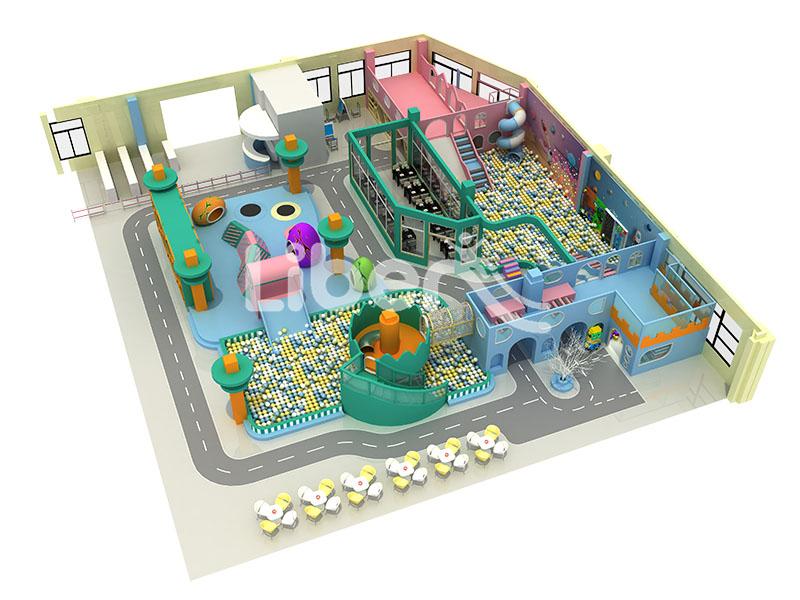
Safety must come first when you buy indoor playground equipment. Certifications keep children safe from harm and protect your investment. You need to know which marks to look for and how to check them without spending too much. This section shows you how to focus on safety while staying within your budget.
Check Certifications on Indoor Playground Equipment
Certifications prove that equipment meets strict safety rules. In the United States, ASTM F1918 covers soft contained play equipment. ASTM F1487 applies to public structures. ASTM F1292 addresses how well surfacing materials absorb impact. In Europe, EN 1176 sets general safety rules for playground equipment and surfacing. EN 1177 deals with impact-absorbing surfacing. ISO marks show quality manufacturing processes.
Each standard covers key safety areas. Fall height and impact protection require flooring to meet impact absorption rules. Safety mats become required in fall zones. Entrapment prevention rules control openings and net spacing. Materials must resist flames and be non-toxic with smooth edges.
Look for EN1176, ASTM, and ISO Marks
When you check equipment, look for these exact standard numbers. ASTM F1487 confirms the structure meets public use requirements. EN 1176 certification shows the equipment passed strict European testing. This standard covers risk assessment, height rules, and spacing requirements.
Do not accept vague claims about meeting safety standards. You need the exact standard named on the certificate. CE marking refers to specific harmonized standards, not a general approval. For the EU market, EN 1176-1:2017+A1:2023 is the current general safety requirement.
Request Documentation from the Supplier
Always ask for original testing certificates before you buy. The certificate must match the exact model you plan to order. Ask for documents from recognized third-party groups like TÜV or SGS. These groups check compliance through design review, material testing, and installation inspection.
Compare the material details on the certificate with the product datasheet. Confirm which standard is named, which product model is covered, and whether the material matches what will be delivered. This is why you must be careful when you buy indoor playground equipment.
Choose Certified Manufacturers Like Liben Play
Picking a certified manufacturer removes guesswork from your purchase. Liben Play equipment meets EN1176, ISO 9001, and other international standards. This means you get equipment built with non-toxic, fire-retardant, impact-absorbing surfaces that prevent injuries.
Certified manufacturers use durable materials that resist wear. Reinforced steel and high-quality plastics lower repair frequency. Secure anchoring prevents tipping and ensures structural stability. Certifications protect your business reputation and attract repeat visitors who trust your play space. Higher upfront investment delivers better long-term value due to longer equipment lifespan. This extends the life of your entire playground.
Verify Safety Without Overpaying
You do not need to spend extra money on unnecessary certifications. Start by asking for original testing certificates from the manufacturer. Ask for TÜV, ASTM, or EN1176 documents that match your exact order. This checks compliance without paying for new tests.
Confirm the equipment meets recognized standards. ASTM F1487 works for North America. EN1176 works for Europe and global markets. These widely accepted standards remove the need for extra certifications. You can also hire a certified safety inspector for independent checks. This third-party review looks at structural performance and safety clearances at a fraction of full re-certification cost.
For toddler equipment, look for the JPMA seal. This shows rigorous testing is already done. Following these steps helps you build a safe indoor playground without wasting money.
You now have five proven strategies to save money on your indoor playground project. Start with a clear budget plan that separates essential safety features from optional fun additions. Hunt for quality used equipment from liquidations and online marketplaces. Consider modular kits that let you expand your play space over time. Time your purchase around off-season sales and clearance events. Always prioritize safety certifications over brand names.
Before you buy, measure your intended area carefully. Compare total costs, including shipping and installation fees. These steps protect your investment.
With smart planning, you can create a fun, safe playground that fits your budget without cutting corners on quality.
FAQ
What is the minimum space needed for an indoor playground?
You need at least 150–200 square feet for a basic setup. Include clearance zones around each structure for safe movement. Measure ceiling height and doorways before buying anything.
How can I reduce the cost of a play space?
Focus on essential safety features first. Add fun elements later. Consider modular equipment that grows with your budget. Buy during off-season sales to save 10–20%.
Is used playground equipment a good option?
Yes, used gear costs 30–50% less than new. Check for ASTM or EN1176 certification marks. Inspect for rust, cracks, and loose parts. Ask for maintenance records before buying.
What safety certifications should I look for?
Request original certificates from TÜV, SGS, or similar groups. EN1176 covers European markets. ASTM F1487 covers North America. Never accept vague claims about meeting standards.
When should I buy playground equipment?
Buy in late winter or early spring for the best prices. Holiday sales like Black Friday also offer big discounts. Watch for end-of-year clearance events from suppliers.
Can I expand my playground later?
Yes. Modular systems let you add pieces over time. Start with a basic structure. Add new features when your budget allows. This spreads costs across months instead of one large payment.


