
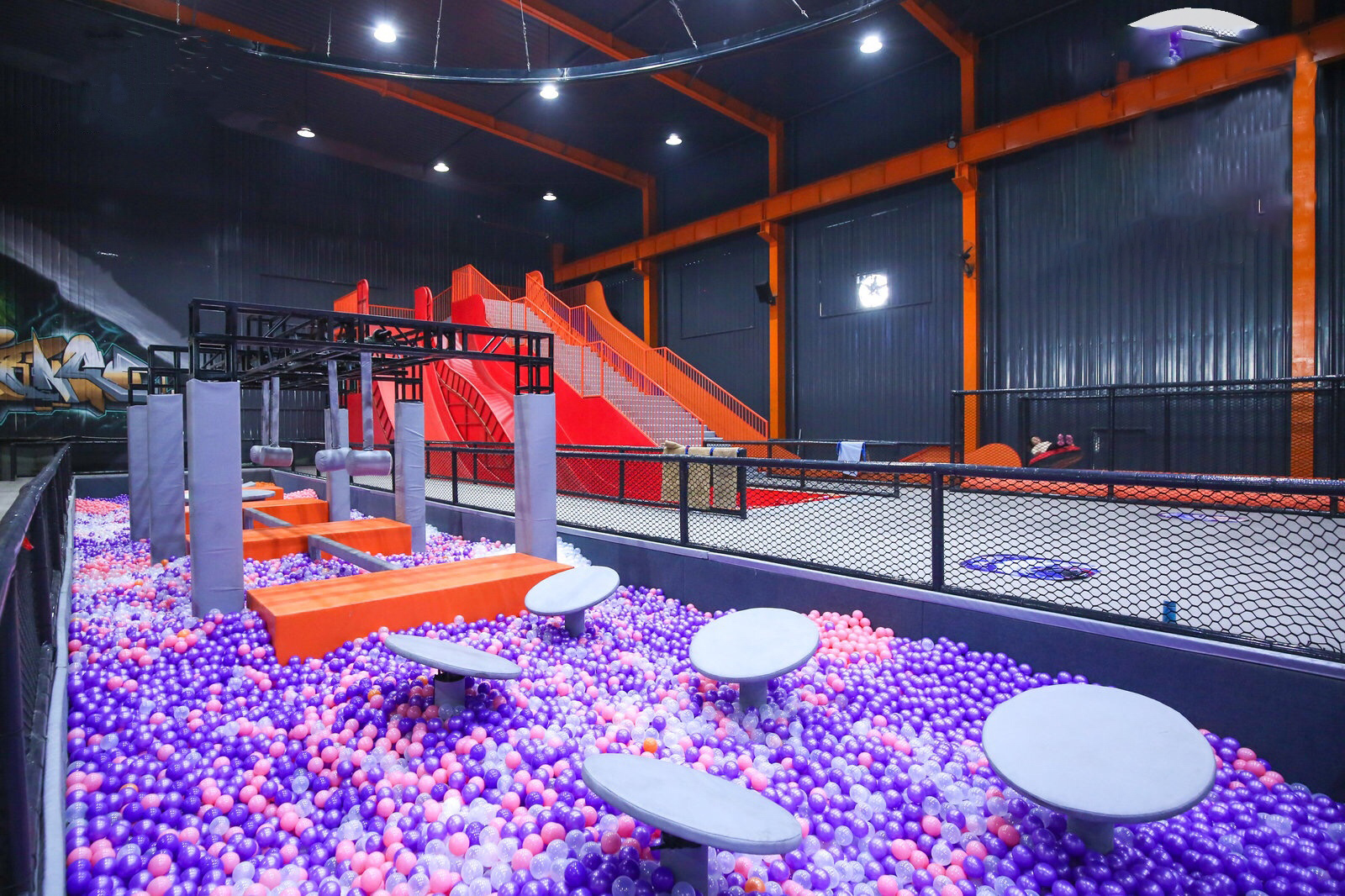
How to Open an Indoor Playground in 2026
City families in 2026 face a growing problem: finding safe, fun places where kids can play all year long. This need for indoor fun gives business owners like you a great chance to succeed.
How do you open an indoor playground in 2026? You need four key parts: good market research, a realistic budget, a busy location near family neighborhoods, and a trusted equipment company that puts safety first.
This guide shows you every step, from your first business plan to opening day. You will learn current prices, license rules, and proven ways to make money. You will also find out how to avoid expensive mistakes that ruin many first-time businesses.
Keep reading. Your money in kids’ play can grow into a strong business that helps your community for many years.
Key Takeaways
- Indoor playgrounds meet a growing need for safe, year-round kids’ fun.
- Starting costs range from $45,000 to $120,000 for a 3,000-square-foot space.
- Choose a location near young families and follow safety standards like ASTM F1918.
- Use a turnkey partner like Liben Play to handle design, installation, and safety.
- Profit comes from memberships, parties, and snack sales, with returns in 18-36 months.
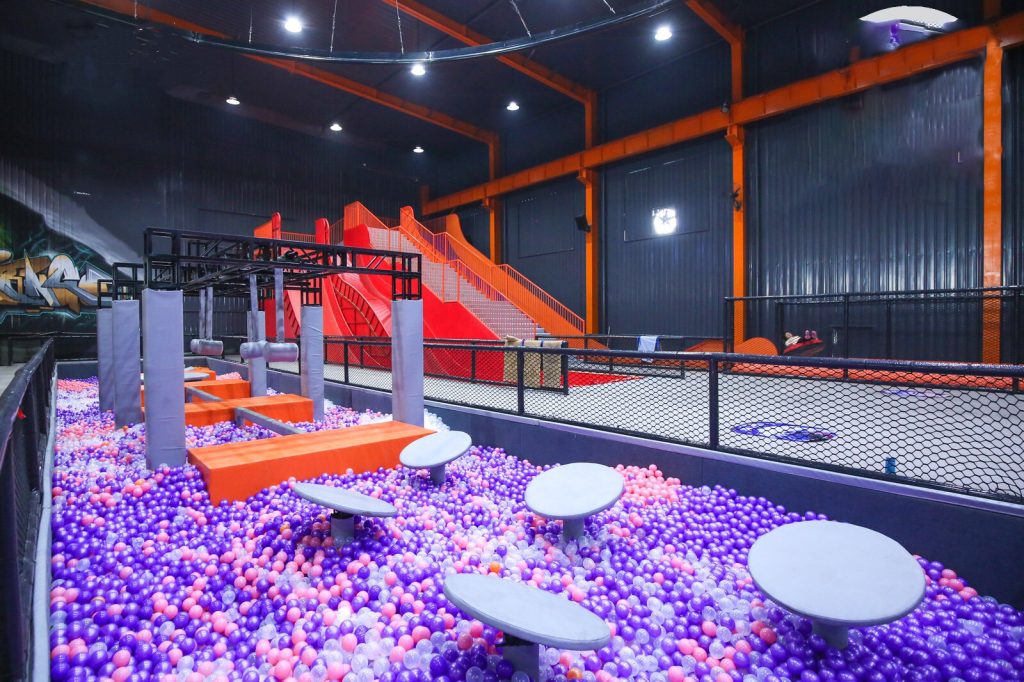
Why an Indoor Playground Business is a Smart Choice in 2026
Market Trends and Demographic Shifts
The need for family fun keeps growing across the United States. North America leads the family entertainment centers market with a 39.5% share. That market was worth USD 11.61 billion in 2024. High household income and a strong focus on family fun drive this growth. Parents today want places that offer both fun and learning for their kids.
Cities are getting bigger every year. This leaves fewer safe outdoor spaces for children. Fast city growth in places like Asia Pacific and Africa pushes families toward clean, controlled indoor spaces. Safety worries in public parks make parents choose indoor playgrounds. There, they can relax while their kids play. A growing middle class with more money spends more on child-focused fun. New mixed-use buildings now include family entertainment zones. This creates great chances for your indoor playground business.
Landlords often help new fun businesses. They offer Tenant Improvement Allowances of $10 to $20 per square foot to pay for building changes. For a 3,000-square-foot space, that means $30,000 to $60,000 in construction work you do not pay upfront. Few other small businesses get such generous help. This makes your investment easier than you might think.
Niche Opportunities and Differentiation
Regular playgrounds do not satisfy today’s parents. They want themed experiences that spark imagination and help kids grow. Custom themed indoor playgrounds charge 20–30% more for party packages than off-the-shelf designs. This extra money directly boosts your profit.
| Differentiator | Niche indoor (soft play) | Standard outdoor playground |
|---|---|---|
| Sensory stimulation density | High – designed with panels, themes, lighting | Lower – mostly from equipment |
| Weather independence | 365 days, climate-controlled | Depends on weather |
| Best-fit age range | Best for 0–6; can be used up to 12 | Best for 5–12 |
| Supervision | Seen from a seated café; safe area | Must watch actively over a larger space |
Niche parks separate areas for toddlers, adventure, and sensory play. They use themes like jungle, submarine, space, or cyberpunk to create a unique brand. Special rest areas for kids who get overwhelmed by senses make these places stand out. This strategy turns your playground into a special place, not just another play area.
The money side supports this idea. Independent indoor playgrounds make net profits of 18–22%. Franchises only make 10–12%. Your plan should focus on the independent model. With a good location and a strong safety record, your indoor playground business can succeed. The need for quality children’s fun is not slowing down. So 2026 is a great year to start.
Realistic Costs to Open an Indoor Playground in the USA

Startup and Equipment Costs
Your first question is likely about the total cost. A full setup costs $15 to $40 per square foot. This price covers design, equipment, installation, and project management. For a 3,000-square-foot space, you might spend $45,000 to $120,000 before opening. Equipment alone costs $300 to $1,000 per square meter. The final price depends on your theme and how complex it is.
| Structure Type | Price per Square Meter (USD) |
|---|---|
| Three-Level | $220 – $280 |
| Multi-Level | Up to $500 |
These numbers show why planning matters. A three-level structure fits smaller spaces. A multi-level design with slides, bridges, and climbing nets costs more but draws older kids. Your investment should match your target age group and expected visitor numbers.
Working with a maker like Liben Play makes this easier. They offer full packages that include design, production, shipping, and setup. Their team has finished over 1,500 projects in 80 countries. This experience cuts down on costly mistakes during setup. You also get custom themes that set your venue apart from others.
Ongoing Expenses and Profit Margins
Your indoor playground business has monthly costs beyond the first build. Staff pay is your biggest ongoing cost. A small playground of about 2,000 square feet needs $3,000 to $5,000 monthly for two or three workers. Bigger spaces need $7,000 or more for extra staff and managers.
| Expense Category | Monthly Cost Range | Notes |
|---|---|---|
| Staffing (small playground, ~2,000 sq ft) | $3,000 – $5,000 | For 2-3 employees |
| Staffing (larger spaces) | $7,000+ | Requires more attendants and managers |
| Utilities (electricity, water, heating, cooling) | $0.08 – $0.25 per sq ft per month | Derived from $1-$3 per sq ft annually |
| Maintenance (cleaning, repairs, equipment checks) | $0.04 – $0.125 per sq ft per month | Derived from $0.50-$1.50 per sq ft yearly |
| Combined utilities + maintenance | $0.125 – $0.375 per sq ft per month | Derived from $1.50-$4.50 per sq ft annually |
| Insurance premiums | $400 – $800 | Monthly, varies by location and size |
Insurance adds $400 to $800 each month. Your location and building size set the exact rate. Safety records and staff training also change the cost. You must plan for these costs before opening.
The payback time for an indoor playground in USA markets is usually 18 to 36 months. Well-run places get yearly ROI of 15 to 30%. The best ones reach 30 to 45% returns. Here is a sample math. With a $120,000 investment, $30,000 monthly revenue, and $15,000 monthly costs, your net profit is $15,000. Dividing the investment by monthly profit gives an 8-month payback. This shows what can happen when demand stays strong.
Your first year is about building traffic. Revenue often covers running costs but rarely makes big profit. Year two brings membership renewals and word-of-mouth. Many owners break even and see small returns of 10 to 15%. By year three, a steady customer base and better operations push ROI toward 15 to 30%. Most owners get back their full investment by the end of year two or three.
Soft play equipment needs regular checks and cleaning. Plan for replacement parts and deep cleaning services. These costs keep kids safe and make equipment last longer. A clean, safe place builds trust with parents and brings them back. Your success depends on balancing quality with cost control.
Step‑by‑Step Guide to Open an Indoor Playground
Research, Planning, and Location Selection
Starting any business takes careful research. You must know your market before spending money. Begin with census data. Find neighborhoods with many children aged 12 and under within 10 to 15 miles of your target area. People rarely drive more than 5 miles for indoor play. Focus your research on that core radius.
Ask local parents if they want an indoor playground. Find out how many families would use one in your area. Determine the main age group of children nearby. This helps you pick equipment that fits your visitors. Kids aged 0 to 6 need soft play areas. Older children want climbing structures and adventure zones.
Study your competitors. Look at similar businesses in your area. Check their websites and customer reviews. Compare their pricing and offerings. Find gaps in the market. Position your business to fill those gaps at a fair price.
Now choose your location. Look for high visibility and easy access. A spot near homes and schools attracts more families. Check for enough parking. Make sure the space meets safety and zoning rules. The size and layout must fit your planned attractions. Good traffic flow helps guests move through the space easily.
Think about nearby amenities. Restaurants and stores nearby can improve the guest experience. A regional shopping mall offers high foot traffic but high rental costs. A residential community gives strong potential for memberships and repeat visits. A school-side location gives you steady volume through after-school programs.
Your location choice directly affects your investment. Compare costs and negotiate lease terms that fit your long-term plan. Landlords often offer Tenant Improvement Allowances of $10 to $20 per square foot. This help lowers your upfront costs significantly.
You must also secure permits. Your business license is the first step. Then get a building permit. Your playground must comply with ASTM F1918 for soft contained play equipment. ASTM F1292 governs surfacing and impact attenuation. CPSIA sets limits on lead and phthalates in children’s products. You need three layers of compliance: ASTM F1918, ASTM F1292, and CPSIA. Local building codes may add more requirements. For example, New York City limits children’s play structures to 300 square feet. Follow all safety codes to protect your visitors and your investment.
Sourcing Equipment from Liben Play
Your equipment choice makes or breaks your indoor playground business. Safety is the top priority. You need equipment that meets international standards. Liben Play holds ISO9001 and GS certifications. Their equipment complies with ASTM and EN standards. This gives you confidence in your purchase.
Liben Play has completed over 1,500 indoor playground projects in more than 80 countries. This global experience means they understand different markets and regulations. They offer full turnkey services. This includes design, production, shipping, installation, and operational guidance. You get everything from one partner.
The turnkey model saves you time and money. An independent industry review highlights Liben’s strength in full project planning and ROI analysis. You can validate your business model before committing to a launch. The equipment is designed for space efficiency. Startup-friendly kits minimize your initial capital outlay. Easy assembly reduces the need for specialized labor. This speeds up your pre-opening phase.
Custom themes set your venue apart. Liben Play offers jungle, ocean, space, and soft stylized themes. Each design fits your specific space and budget. The equipment includes climbing nets, slides, treehouses, and interactive games. These features attract children and keep them coming back.
Testimonials from real owners confirm the value. Mr. Bai says, “My park opening smoothly with supports from professional teams.” Mr. Zhou adds, “The franchiser help me a lot before open my park, such as site selection, business plan, installation, opening guidance.” These stories show how a turnkey partner reduces stress and improves success.
Your investment in quality equipment pays off. Safe, durable equipment lasts longer and requires less maintenance. This lowers your ongoing costs. A well-designed playground attracts more visitors. It generates positive word-of-mouth. Your indoor playground business grows stronger every year.
Running a Profitable Indoor Playground Business

Revenue Streams and Customer Retention
You need many ways to earn money to keep your indoor playground strong. Just entry fees won’t be enough. Smart owners create a mix of income sources.
Start with a membership program that has different levels. Offer a basic pass for weekdays, a premium plan for any time, and discounts for siblings. This gives you steady monthly income and brings in people on slower days. Party packages can make you a lot of money. Set them up with set time slots of 90 to 120 minutes. Offer extra things like themed decorations or character visits. A three-tier party model works well:
| Tier | Core Features | Value Proposition |
|---|---|---|
| Basic | Core play access, private space for a defined time block | Entry-level option for budget-conscious customers |
| Mid-tier | Adds food, drinks, or additional play time | Clear step up in value for most families |
| Premium | Bundles F&B, party host, decorations, premium attractions | Complete, hassle-free experience for higher spend |
Your snack area is another way to make money. Food and drink sales should make up 15 to 20 percent of your total income. Their profit margins are 60 to 70 percent. Grip socks that insurance requires cost $1.00 to $1.50 a pair. You can sell them for $3.00 to $5.00. That is a 200 to 300 percent markup. Put cheap items like balloons or stuffed toys at a child’s eye level near the exit. These impulse buys add thousands of dollars to your profit without needing to get new customers.
Keeping customers happy depends on making families feel important. Use your sales system to track how often they visit. Set up automatic messages to bring back inactive members. Give monthly activity kits to keep them interested. A loyal group of customers is the base for long-term profit.
Overcoming Common Operational Challenges
Staff leaving is a common problem in the fun business. Hire people with a good attitude and teach them the skills. Make a positive work place with clear paths to move up. Train employees to do many jobs. This makes it easier when someone is out sick.
You need a plan to fix and care for your equipment. Use this rule: fix it if the cost is less than 30 percent of a new one. Replace it if the repair cost is more than 50 percent, or if it’s the third time fixing the same part. Plan a small update at year 8 and a big replacement at year 15. Steel parts can last 15 to 20 years with good care. A machine that cleans the ball pit reduces work time by 70 percent and makes the balls last 25 percent longer. This saves you time and money.
The seasons change how busy your indoor playground is. In cold months, more people come. To handle slower times, try creative ideas. Offer weekday deals and team up with summer camps. Make friends with local schools and groups for group visits. Try different things like school trips, fitness classes, and special events.
An indoor adventure park in New Zealand shows how to connect with the community. It became a favorite place for families by pushing physical activity and hanging out together. You can do the same. Hold parents’ night out events and trivia nights when the evening is usually empty. Ask people to buy tickets ahead of time. This fills your schedule and makes more money.
Your work to solve these problems is worth it. A well-run indoor playground with good safety rules and many activities gets steady interest. Focus on making money and happy customers. Your success comes from doing things right every time.
Opening an indoor playground in 2026 offers a real path to business success. The demand for family entertainment keeps growing. You need careful planning, honest budgeting, and a trusted equipment partner like Liben Play.
Your journey starts with market research. Choose a location near young families. Secure proper permits. Select equipment that meets safety standards. Each step builds your foundation.
This business rewards patience. Your investment returns through memberships, parties, and repeat visitors. Children thrive in your space. Parents appreciate your commitment.
The effort pays off. You build a sustainable business and a happy community. Contact Liben Play today for a free consultation or custom design quote. Your indoor playground business awaits.
FAQ
How much does it cost to open an indoor playground?
Your total cost depends on space size and equipment choices. A full setup costs $15 to $40 per square foot. Equipment alone runs $300 to $1,000 per square meter. For a 3,000-square-foot venue, expect to spend $45,000 to $120,000 before you open.
What safety standards must my playground meet?
Your equipment must follow ASTM F1918 for soft play structures. You also need ASTM F1292 for surfacing and CPSIA rules on lead and phthalates. Liben Play equipment meets these standards plus EN1176. These certifications keep kids safe and lower your risk.
How long until my indoor playground business becomes profitable?
Most owners get back their full investment within 18 to 36 months. Well-run venues earn yearly returns of 15 to 30 percent. Your first year builds traffic. Year two brings membership renewals. By year three, steady customers push your profit toward 30 percent.
Do I need a turnkey partner for equipment installation?
A turnkey partner makes your whole process easier. Liben Play handles design, production, shipping, installation, and operational guidance. They have finished over 1,500 projects in 80 countries. This experience prevents costly mistakes. You get custom themes that fit your space and budget perfectly.
What location works best for an indoor playground in USA markets?
Pick a spot near family neighborhoods with children aged 12 and under. Look for high visibility and easy access. Check for enough parking and nearby amenities like restaurants. Landlords often offer Tenant Improvement Allowances of $10 to $20 per square foot. This lowers your upfront costs significantly.

