You want indoor playground equipment that does not cost a lot. You also need it to keep kids safe. Finding the right mix of price and safety is hard. Most cheap indoor playground equipment costs between $22,896.00 and $54,864.00. Before you buy, look for strong safety features. Make sure the material quality is good. The construction should be sturdy. Check if you get good value for your money. Read what other people say about it. You can find equipment that makes kids happy and safe. You do not have to spend too much.
- Safety features
- Material quality
- Durability
- Value
- User feedback
Key Takeaways
- Always put safety features first when picking indoor playground equipment. Make sure the equipment has safety certifications. This helps keep kids safe while they play. – Choose equipment made from strong, non-toxic materials. This helps the equipment last longer and keeps kids safe. – Measure your space carefully before you buy anything. This makes sure the equipment will fit and follow safety rules. – Look at customer reviews and ask others for advice. This helps you learn about the equipment’s quality and how well it works. – Watch out for extra costs like installation and maintenance fees. This helps you avoid spending more money than you planned.
Safety Features in Cheap Indoor Playground Equipment
Safety Certifications to Check
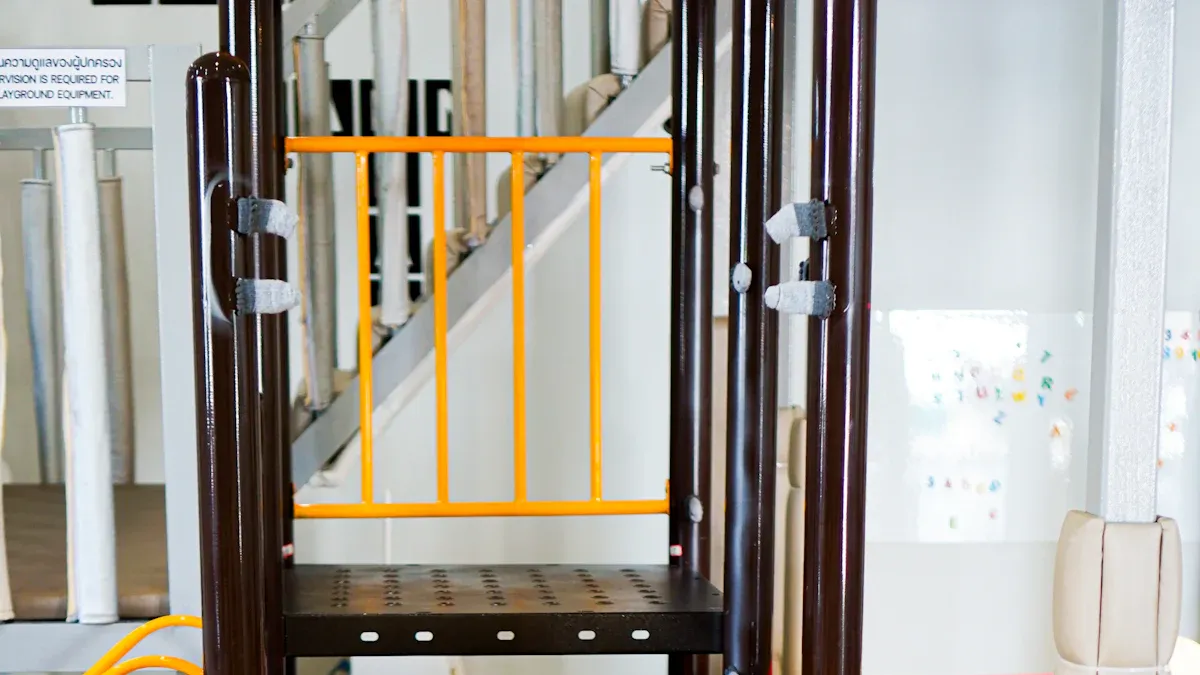
If you want cheap indoor playground equipment, check for safety standards. Certifications mean the equipment passed important tests. These tests look at strong build, safe materials, and fire safety. The United States and Europe have different certifications. Here is a table with the most common ones:
| Certification | Region | Description |
|---|---|---|
| ASTM F1918 | USA | Standard safety performance for soft enclosed amusement equipment |
| CPSIA | USA | Ensures safety of children’s products |
| NFPA 701 | USA | Tests flame resistance of materials |
| UL-94 | USA | Flammability of plastic materials |
| EN1176 | Europe | Safety standard for playground equipment |
| EN71 | Europe | Safety requirements for toys in the EU |
| CE | Europe | Compliance with health, safety, and environmental standards |
| EU REACH | Europe | Regulation for chemical substances |
Look at the product label or ask the seller for proof. Groups like ASTM International and IPEMA help make sure equipment meets these rules. If you see these marks, the equipment is safer for kids.
Tip: Always ask for certificates or check the manufacturer’s website. cheap indoor playground equipment Real certifications mean the equipment is less likely to break or hurt kids.
Smooth Edges and Soft Surfaces
Kids like to climb, slide, and jump. You want them to play safely. Pick equipment with smooth, rounded edges. Sharp corners can cause cuts or bruises. Soft surfaces, like foam or rubber, protect kids if they fall. Here is a table of materials used for soft surfaces:
| Material | Characteristics |
|---|---|
| Rubber | Durable, low-maintenance, provides safety features |
| Plastic | Long-lasting, resistant to wear |
| Wood | Natural look, sturdy, can be treated for safety |
Rubber mats and foam pads help absorb shocks. Plastic parts should not have rough spots or cracks. Treated wood works well, but check for splinters. Pick equipment that fits the age of the kids. Younger kids need more padding and lower platforms. Older kids can use higher slides, but soft landings are still important.
Note: For inclusive play, choose equipment with ramps and wide platforms. This lets all kids play together safely.
Non-Toxic and Durable Materials
You want your indoor playground equipment to last. It should also be safe for kids to touch and play on every day. Non-toxic materials are very important. Look for items made from FSC certified beech or birch wood, water-based paints, and eco-friendly varnish. These materials do not release harmful chemicals. Some mats use Lyocell, a fabric made from eucalyptus trees, which is soft and safe.
Durability is important, too. PVC and engineering plastics are strong and easy to clean. Steel frames last a long time and can handle rough play. Rubber absorbs shocks and does not wear out quickly. Here is a table with some durable materials:
| Material | Properties and Maintenance Requirements |
|---|---|
| PVC | Durable, easy to clean |
| Engineering Plastics | High impact resistance, lightweight |
| Steel | Strong, long-lasting |
| Wood | Needs regular checks for splinters |
| Rubber | Shock-absorbent, weather-resistant |
| Fiberglass | Lightweight, resists corrosion |
When you pick cheap indoor playground equipment, check for these materials. They help your equipment last longer and keep kids safe. Always ask about the paints and finishes used. Water-based and eco-friendly options are best for children.
Remember: Safe materials and strong build mean fewer repairs and less worry for you.
Choosing the Right Indoor Playground Equipment
Age-Appropriate Design
You want kids to have fun and stay safe. Picking the right equipment for their age is important. Each age group needs different things. Here is a simple guide:
- Preschoolers (Ages 3-5): Pick climbing structures that are not too high. Swings should have safety features. Sand and water play is good. Interactive panels and balance games are fun.
- Early School-Age (Ages 6-8): Choose climbing structures that are taller. Monkey bars are good for this age. Imaginative play areas help kids pretend.
- Older School-Age (Ages 9-12): Add climbing walls that are harder. Sports equipment is good. Spaces for kids to talk and hang out are important.
Using equipment for the wrong age can cause injuries. It can also break the equipment. The right equipment helps kids grow and keeps them safe.
Tip: Always look at the manufacturer’s age recommendations before buying.
Sturdy Construction
You want equipment that lasts a long time. Sturdy construction means you fix it less. You worry less, too. Look for these things:
- Safety standards like ASTM and CPSC
- Non-toxic materials for healthy play
- Commercial-grade materials for strong equipment
- Surfaces that absorb impacts and stop splinters
Manufacturers test equipment in many ways. Here is how they check for strength and safety:
| Testing Method | Description |
|---|---|
| Advanced Manufacturing Technology | Machines make perfect cuts and shapes |
| Robotic Welding Systems | Joints are made strong and fast |
| Quality Control Stations | Every piece is checked for safety and strength |
| Safety Testing Facilities | Samples are tested for stress and impact |
| Force Resistance Testing | Equipment is tested to handle heavy use |
Fun and Safety Balance
A good play space should be fun and safe. Kids should be able to climb and play. They should also be protected. Look for these design features:
- Accessibility for all kids, so everyone can play
- Different challenge levels for every child
- Calm areas for kids who need quiet time
- Spaces for kids to play together and make friends
The best indoor playground equipment is fun and safe. When you pick the right equipment, sturdy construction, and good design, kids can play, learn, and grow.
Planning Your Space
Measuring Room and Ceiling Height
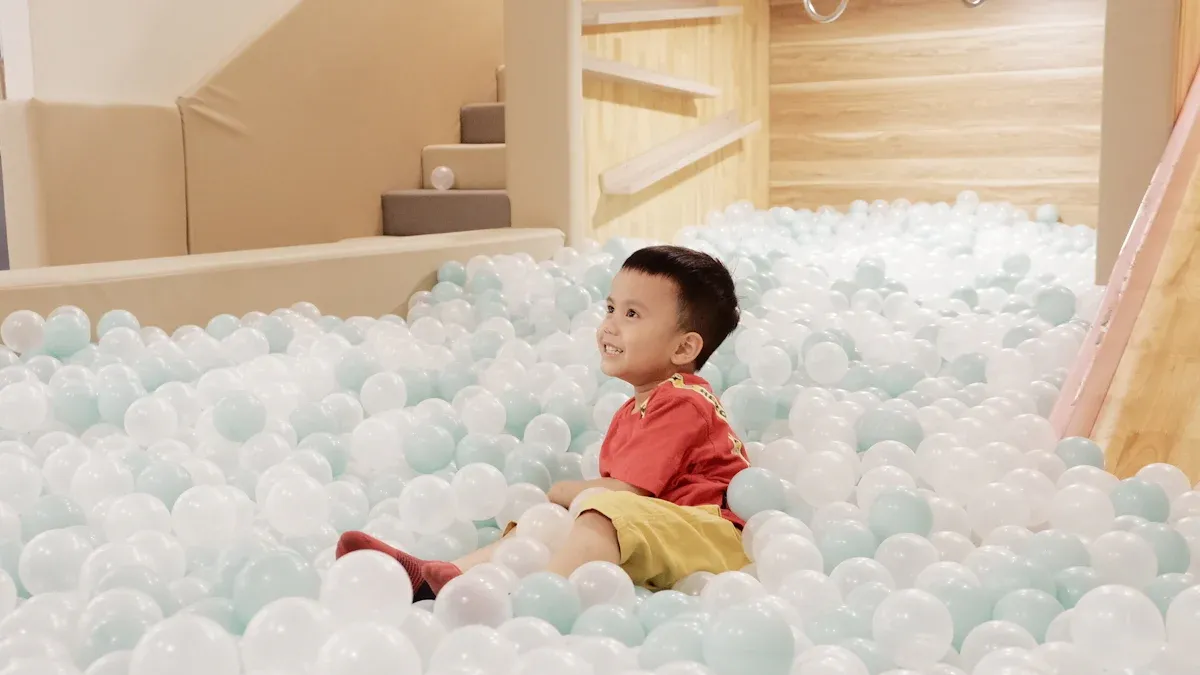
Before you buy any indoor playground equipment, grab a tape measure. You need to know your room size and ceiling height. Most equipment needs at least 3,500 square feet of space and a ceiling that is 16 feet high. If your room is smaller or the ceiling is lower, some equipment may not fit or work safely. Always double-check your measurements. When you skip this step, you risk putting kids in danger. Not enough space can lead to crowded play areas and more accidents. Following these guidelines helps you meet safety standards and keeps everyone protected.
Tip: Measure both the floor area and the height from floor to ceiling. Write down these numbers before you shop.
Fitting Equipment to Your Space
Every room is different. Some have odd corners or pillars. You can still create a fun play area. Start by measuring the total area and the vertical space for each piece of equipment. Look for obstacles like doors, windows, or vents. Use multi-level structures or climbing walls to make the most of your space. Wall-mounted panels and overhead features save floor space. If your room is small, think about using elevated decks or platforms. This way, you can add more play options without taking up extra ground space.
- Measure the area accurately.
- Check for obstructions.
- Use vertical space with multi-level equipment.
- Add wall panels or overhead features.
- Plan for inclusive play so every child can join in.
You can also use online tools to help you plan. Here are some resources that make it easier to see what fits:
| Resource Type | Link | Description |
|---|---|---|
| Planning Guide | Planning Guide | Helps you plan your layout. |
| CAD Details | CAD Details | Shows detailed equipment drawings. |
| Color Wizard | Color Wizard | Lets you try out color choices. |
| Playground Planning 101 | Playground Planning 101 | Offers tips for smart planning. |
Ease of Assembly
Think about how you want to set up your playground. Some equipment comes ready to use. Other sets need you to put them together. If you like building things, a DIY kit might work for you. If you want less hassle, choose a company that offers professional installation. This can save you time and make sure everything is set up right.
| Assembly Option | Description |
|---|---|
| Professional Installation | The company sets up the equipment for you. |
| DIY Assembly | You build the equipment yourself. |
Ask yourself if you want to assemble large kits or prefer something simple. The right choice will make your setup smooth and stress-free.
Value and Cost Considerations
Comparing Prices and Features
When you look for cheap indoor playground equipment, you want good value. Prices may seem close, but features can be very different. You should compare a few main things. Bigger play areas cost more because they fit more kids. Strong materials last longer, but they can make the price go up. Special designs or themes cost extra money. Extra safety features make equipment safer, but they also raise the price. Installation and shipping can add a lot to what you pay. Cheaper sets often use weaker materials. More expensive sets have stronger parts and more features. Soft play equipment is a smart choice if you want to save money. Plastic pieces are fun and add value.
Warranties and Guarantees
Warranties help you protect your money. Most cheap indoor playground equipment has a one-year warranty. Some companies, like Indoor Playgrounds International, give you up to 18 months. Here is a table with common warranty terms:
| Equipment Type | Warranty Duration | What’s Covered |
|---|---|---|
| Indoor Play Equipment | 12 MONTHS | Steel, aluminum, plastic, fiberglass parts |
| Soft Wrapping Material | 12 MONTHS | Platforms, wall cushions, mats |
| Trampoline and Webbing | 12 MONTHS | Trampoline and related parts |
| Spare Parts | 1-3 YEARS | Some spare parts for maintenance |
Warranties do not cover everything. Things like plastic balls or flooring you put in yourself are not covered. Always read the details before you buy.
Avoiding Hidden Costs
The price you see is just the beginning. Watch out for extra costs that can surprise you. Here are some common hidden costs:
| Hidden Cost | What It Means |
|---|---|
| Installation Costs | Can add 10–20% to your total price |
| Shipping Fees | Vary by distance and equipment size |
| Maintenance Expenses | Regular cleaning and repairs over time |
| Repair Costs | Fixing broken parts as kids play |
| Insurance | Protects your equipment and your business |
| Revenue Impact | Poor equipment can affect how many families visit |
You may need to pay for installer travel, food, and lodging. Set aside 10–15% of your yearly budget for surprises. This helps you stay ready for anything. A good budget keeps your project easy and stress-free.
Tip: Always ask for a full price breakdown before you buy. This helps you avoid surprises and know what you are paying for.
User Reviews and Recommendations
Reading Customer Feedback
You can learn a lot from what other buyers say. Real customer reviews show you how the equipment works in daily life. Before you buy, read both the good and bad comments. Look for reviews that talk about real experiences, not just general praise or complaints. If a review sounds too perfect or too harsh, it might not be real.
Here are some tips to spot genuine feedback:
- Look for balanced reviews that mention both pros and cons.
- Check if the reviewer shares details about how the equipment works.
- Watch out for vague comments or reviews that repeat the same phrases.
- Review the profile of the person posting. Fake profiles often have little history.
- Use tools like Fakespot or ReviewMeta to help you spot fake reviews.
Trust your gut. If something feels off, keep looking for more feedback.
Seeking Trusted Recommendations
You do not have to figure it out alone. Ask other parents, teachers, or facility managers about their experiences. People who have already bought indoor playground equipment can give you honest advice. They might tell you which brands last longer or which ones break easily. You can also join online groups or forums for parents and caregivers. These places often have real stories and helpful tips.
Here are some things you can ask:
- How easy was the equipment to set up?
- Did the kids enjoy playing on it?
- Has it held up well over time?
- Were there any safety problems?
A quick chat with someone who has used the equipment can save you time and money.
Common Pitfalls to Avoid
Cheap indoor playground equipment sometimes comes with problems. Many buyers report issues that you should know about. Here is a table of common pitfalls:
| Issue Type | Description |
|---|---|
| Low-Quality Materials | Substandard materials can make the equipment unsafe. |
| Inferior Steel and Tubes | Thin steel or weak welding can cause the structure to collapse. |
| Unsafe Plastic Components | Plastics that are not UV-treated may crack or fade, creating hazards. |
| Low-Density Foam and Padding | Poor foam does not absorb impacts, raising the risk of injury. |
You can avoid these problems by checking for strong materials and good safety standards. Make sure the equipment meets ASTM safety rules. Ask if you can get replacement parts and learn about maintenance needs. Always supervise children and set clear safety rules, like no running or rough play.
Good research and smart questions help you find safe, fun equipment that lasts.
You can find indoor playground equipment that is safe and affordable. Focus on these key points:
- Check for safety features and strong materials.
- Measure your space before you buy.
- Compare prices and read reviews.
- Ask for warranties and look for hidden costs.
Quick Tip: Use this checklist when you shop. Careful choices help you create a fun, safe space for kids. You’ve got this!
FAQ
What is the best way to clean indoor playground equipment?
You can use mild soap and warm water for most surfaces. Wipe down plastic and metal parts with a soft cloth. For foam or mats, use a gentle disinfectant. Always dry everything well before kids play.
How often should I check the equipment for safety?
Check your equipment every week. Look for loose bolts, worn-out parts, or sharp edges. If you see damage, fix it right away. Regular checks keep kids safe and help your equipment last longer.
Can I install the equipment by myself?
Some sets are easy to build with basic tools. If you choose a larger or more complex set, you might need help. Many companies offer professional installation. Ask before you buy.
What should I do if a part breaks?
Stop using the equipment right away. Contact the manufacturer for replacement parts. Most companies offer spare parts or repairs. Keep your warranty information handy for faster service.